Leg of Lamb Roast: A Step-by-Step Guide
Learn to roast a leg of lamb with a clear, step-by-step plan. This guide covers selection, seasoning, roasting temps, resting, carving, and safe handling for a juicy, flavorful centerpiece.


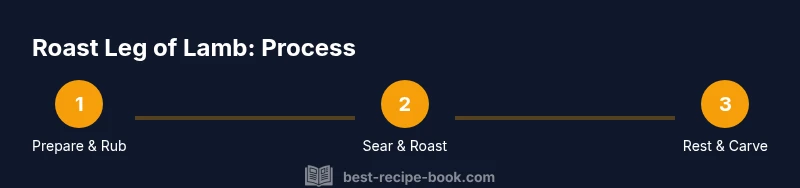
You will learn how to roast a leg of lamb to tender perfection with a simple, reliable workflow: season and sear, roast to the desired doneness, and rest before carving. This guide provides time ranges, safety notes, and practical tips to help home cooks achieve restaurant-quality results in their own kitchen.
Why mastering the leg of lamb matters in home cooking
A leg of lamb is a centerpiece that rewards careful technique with rich flavor and juicy texture. Achieving a consistent roast depends on understanding heat distribution, resting, and how to handle a larger cut. This recipe for a leg of lamb will walk you through a practical, home-friendly method that minimizes guesswork while maximizing aroma and tenderness. According to Best Recipe Book, investing a little planning now pays off with impressive results at the table. At their core, great roasts come from balancing searing color, internal temperature, and rest time. The phrase 'recipe for a leg of lamb' has guided countless home cooks toward confident, delicious outcomes. In this guide we’ll cover from selecting the cut to carving the perfect slices.
Key ingredients and seasoning
For a robust, classic profile, assemble a small set of ingredients that bring aroma and depth without overpowering the meat. You’ll need a leg of lamb (bone-in or boneless, 4–7 pounds depending on your crew), olive oil, kosher salt, freshly ground black pepper, garlic, fresh rosemary, and thyme. Optional inclusions like lemon zest, crushed coriander, or a splash of red wine can elevate the rub. The goal is a well-balanced crust that enhances but does not conceal the meat’s natural flavor. Use a simple minced-garlic and herb paste to coat the roast evenly for consistent flavor from end to end.
Choosing the right cut and weight
Choose bone-in for more flavor and juiciness, or boneless for quicker carving and a uniform slice. A typical leg of lamb for a family dinner weighs about 4–7 pounds; plan roughly 1/2 to 3/4 pound per guest, depending on other courses. If you’re feeding a crowd, consider two smaller roasts or a single large leg and use a meat thermometer to tailor doneness. A well-trimmed roast with even thickness helps heat penetrate uniformly, reducing the risk of a rare center and an overcooked exterior. Always verify the roast is dry before applying the rub to encourage a crisp crust.
Equipment and kitchen setup
Preheat the oven early and prepare a sturdy roasting pan with a rack to promote air circulation around the meat. Gather a heavy skillet for searing, a sharp carving knife, a digital thermometer, tongs, and a reliable meat thermometer. A foil-lined pan, a cutting board, and a few clean towels will keep your workspace organized. If you’re using a bone-in leg, the bone will conduct heat; plan your roast time accordingly. A thermometer is essential to avoid overcooking and ensure the center reaches your target temperature.
Preparing the lamb: trimming, seasoning, and brining (optional)
Trim excess fat and silverskin if present, leaving a thin fat cap for flavor. Pat the surface dry; moisture will hinder browning. Rub the meat with olive oil, then apply a generous coating of kosher salt, cracked pepper, and chopped rosemary. A light marinade with garlic and lemon zest can be helpful, but avoid overpowering the natural lamb flavor. Brining is optional for leg roasts; if you choose to brine, keep it shallow (a couple of hours) to avoid overly salty results. Always pat dry again before searing to maximize crust formation.
Searing and roasting technique for even doneness
Sear the leg on all sides in a hot pan with a touch of oil to form a deep crust. This step adds flavor and helps lock in juices. Transfer to a preheated roasting pan and roast at a moderate oven temperature, turning the roast as needed for even browning. If you prefer, you can sear the meat in the roasting pan on the stovetop and then move the pan to the oven. The goal is a uniform crust with a juicy interior; avoid crowding the pan to maintain an effective sear.
Temperature targets and doneness guide
Begin checking doneness with a meat thermometer as the roast approaches the expected finish. For a classic pull, aim for about 125–130°F (52–54°C) for rare, 130–135°F (54–57°C) for medium-rare, and 135–145°F (57–63°C) for medium. Remember carryover cooking will raise the temperature by roughly 5–10°F (3–6°C) after removing from the oven. Resting is essential; it allows the juices to redistribute for a tender, flavorful slice.
Resting, carving, and serving
Let the roast rest, tented loosely with foil, for 15–20 minutes before carving. Resting stabilizes juices and yields a moist slice. Carve along the natural grain, starting with the thickest section and working toward the bone if present. Serve with simple accompaniments such as roasted vegetables, a bright herb salsa, or a light jus made from pan drippings. A well-rested, properly carved leg of lamb makes a dramatic and satisfying centerpiece.
Common mistakes and how to fix them
Common pitfalls include under-seasoning, overcooking a large roast, and neglecting to rest. Fix by applying salt generously at least an hour before roasting, using a thermometer for precision, and allowing ample rest time. Avoid crowding the pan, which can lead to uneven searing. If the center seems underdone, tent loosely and finish in a warm oven for a few minutes rather than increasing heat, which risks a dry crust.
Authority sources
For further guidance on roasting meat and food safety, consult authoritative sources. USDA guidelines offer safety standards for cooking times and temperatures: https://www.fsis.usda.gov. Extension services provide practical, kitchen-tested tips: https://extension.oregonstate.edu. Research and reviews on meat handling and cooking are accessible via PubMed: https://pubmed.ncbi.nlm.nih.gov.
Tools & Materials
- Leg of lamb (bone-in or boneless)(4–7 pounds typical; adjust for guests)
- Olive oil(Aim for 1–2 tablespoons for coating)
- Kosher salt(Coarse salt helps crust formation)
- Freshly ground black pepper(To taste)
- Garlic(Minced or paste for rub)
- Fresh rosemary and thyme(Chopped for rub or paste)
- Lemon zest (optional)(Adds brightness)
- Roasting pan with rack(Promotes even heat distribution)
- Heavy skillet for searing(Cast iron works well)
- Digital meat thermometer(Essential for doneness)
- Aluminum foil(Tent during resting)
- Carving knife and sharp chef’s knife(Thin, clean slices)
- Cutting board(Stable surface)
- Kitchen tongs(Handle hot meat safely)
Steps
Estimated time: 2 hours 15 minutes
- 1
Bring to room temperature
Take the leg out 1–2 hours before roasting to promote even cooking. Pat dry to remove surface moisture, which helps form a crust. This waiting period reduces the risk of a cold center and uneven browning.
Tip: Patting dry and letting air reach the surface improves browning. - 2
Prepare the rub
Combine olive oil, kosher salt, pepper, minced garlic, and chopped herbs. Rub evenly over all surfaces, including the ends. Let the flavors sit on the meat for 15–30 minutes if time allows.
Tip: A longer contact with the rub enhances crust and aromatic depth. - 3
Sear the roast
Heat a heavy skillet until very hot. Sear the lamb on all sides until a deep brown crust forms, 2–4 minutes per side depending on thickness. Searing adds flavor and locks in juices.
Tip: Do not overcrowd the pan; work in batches if needed. - 4
Roast to target doneness
Transfer the seared leg to a rack in a roasting pan. Roast in a preheated oven; start checking early. Use a thermometer to monitor until the center hits the chosen temperature.
Tip: Remember carryover cooking: remove a few degrees early. - 5
Rest before carving
Tent with foil and rest the meat for 15–20 minutes. Resting redistributes juices, resulting in a moister slice. Do not skip this step.
Tip: Resting is as important as searing for texture. - 6
Make a simple pan sauce (optional)
Deglaze the pan with a splash of wine or stock, scrape up browned bits, and simmer to concentrate. Finish with a bit of butter for a glossy finish.
Tip: Even a small amount of wine adds depth without overpowering lamb. - 7
Carve the roast
Slice against the grain in thin, even portions. If bone-in, cut along the bone for clean servings. Arrange on a warm platter.
Tip: A sharp knife is essential for clean, elegant slices. - 8
Plate and pair
Serve with roasted vegetables, a bright herb sauce, or a simple jus. A crisp green salad can balance richness.
Tip: Acidic sides help balance the fat in lamb. - 9
Store and reheat leftovers
Cool leftovers within 2 hours and refrigerate in shallow containers for up to 3–4 days. Reheat gently, ideally wrapped to retain moisture.
Tip: Keep slices covered to prevent drying during reheating.
People Also Ask
What is the best roast temperature for a leg of lamb?
Aim for an internal temperature of 125–135°F (52–57°C) for doneness between rare and medium-rare. Carryover cooking will finish the roast, so remove the meat a few degrees early.
For doneness, remove when the thermometer reads about 125 to 135 degrees, and let it rest to finish cooking.
Should I marinate or brine leg of lamb?
A light marinade with garlic and herbs can improve aroma, while a dry rub provides a flavorful crust. Brining is optional and can help with juiciness, but do not brine too long to avoid saltiness.
A simple herb rub is usually enough; brining is optional but can help with juiciness if done carefully.
Can I cook from frozen?
Roasting from frozen is not ideal for even doneness and may extend cooking time unpredictably. Thaw fully in the refrigerator before roasting for best results.
It's better to thaw the lamb first for even cooking.
What sides complement leg of lamb?
Roasted vegetables, garlic mashed potatoes, green beans, and a bright herb sauce pair beautifully with leg of lamb. A simple salad can balance richness nicely.
Try roasted carrots and potatoes with a fresh herb sauce.
How long can leftovers be stored?
Leftovers keep well in the fridge for 3–4 days when stored in airtight containers. Reheat gently to maintain moisture and flavor.
Store in the fridge for up to four days and reheat slowly.
Is bone-in better than boneless for flavor?
Bone-in roasts often yield more flavor and moisture due to bone marrow and insulation. Boneless roasts cook more evenly and carve easily.
Bone-in roasts are typically more flavorful, but boneless are easier to slice.
Watch Video
Key Takeaways
- Season generously and sear for depth of flavor.
- Use a thermometer to hit target doneness and rest before carving.
- Rest is essential for juicy, evenly cooked slices.
- Carryover heat will continue cooking after removal from oven.