Cocktail Recipe Gin: A Practical How-To Guide
Master gin-based cocktails with expert, step-by-step guidance, essential tools, and reliable recipes for home bartenders seeking balanced, crowd-pleasing drinks.


This quick answer shows you how to craft a balanced cocktail recipe gin for home bartenders. You’ll learn to select the right gin, balance acid and sweetness, and apply a reliable framework to classic drinks like the Martini, Gin Sour, and Negroni. You’ll also get a practical step-by-step method you can adapt to any gin cocktail.
The Basics of Cocktail Recipe Gin
Gin is a juniper-forward spirit that wears a broad bouquet of botanicals—citrus peels, coriander, angelica, and more—at various intensities. In a cocktail recipe gin acts as the backbone, supporting citrus brightness and sweeteners without overpowering the drink. According to Best Recipe Book, understanding gin styles helps you choose bottles that fit your preferred flavor profile, whether you lean toward crisp, dry London Dry or more aromatic, modern botanicals. For many home bartenders, starting with a dry, aromatic gin makes it easier to build balanced drinks such as a classic Martini or a refreshing Gin and Tonic, then exploring more complex botanicals as confidence grows. This guide will unpack flavor-building principles, present reliable templates, and offer practical steps you can apply to any cocktail recipe gin you want to master.
Essential Tools and Ingredients for Gin Cocktails
Having the right tools speeds up your workflow and nudges you toward consistent results. Core tools include a jigger for accurate measurement, a shaker for cocktails that require aeration, a bar spoon for stirring, a Hawthorne or fine-mesh strainer for clean pours, and a muddler for extracting flavor from herbs or fruit. Glassware matters too: a chilled coupe or martini glass for spirit-forward drinks, and a highball for long pours. Essential ingredients go beyond gin: fresh citrus (lemons, limes, oranges), simple syrup or honey syrup for balanced sweetness, dry vermouth for more structure in martinis, sweet vermouth for Negronis, and bitters to adjust aroma and depth. Stock tonic, club soda, or ginger beer as appropriate, plus edible garnishes like lemon twists or cucumber ribbons to finish the drink. This toolkit enables you to execute reliable cocktails quickly and with minimal waste.
The Flavor Profile of Gin and How to Balance It
Gin brings a spectrum of botanicals, most notably juniper, which provides a piney, resinous character. Other common notes include citrus, floral, spice, and herbal tones. The key to a successful gin cocktail is balancing these botanicals with acid, sweetness, and a touch of bitterness. A practical framework is to start with a 2:1:1 ratio of gin:acid:sweet, then dial in a bitter component or a carbonation lift if needed. Vermouth can adjust dryness or sweetness in drinks like martinis or Negronis. Ice quality and dilution also shape the final balance; colder, slower dilution preserves aroma while preventing abrupt sweetness or sourness. Throughout, taste as you go and adjust with a light hand, since gin’s botanicals can become overpowering if pushed too far.
Classic Gin Cocktail Frameworks
There are several dependable templates you can apply to gin, each producing distinct, crowd-pleasing results:
- Martini-style: gin with a splash of dry vermouth, stirred cold, and garnished with an olive or lemon twist. Ratios range from 6:1 to 3:1, depending on how botanical you prefer the gin. The goal is balance and aroma, not heaviness.
- Negroni-style: equal parts gin, Campari, and sweet vermouth create a bold, bitters-forward profile. The bitterness is crucial; orange rind adds aroma and a final lift.
- Sour-style: gin, lemon (or lime) juice, and a sweetener yield a bright, palate-cleansing drink; add egg white for a silky texture when desired.
- Tom Collins and Gin Fizz: gin with citrus, sugar, and carbonated water for a refreshing, long drink; the fizz and acidity are the signature traits.
- Gin & Tonic: the simplest and most refreshing; choose a quality tonic and a crisp bottle to highlight the gin’s botanicals.
Three Iconic Gin Recipes You Can Make Tonight
-
Classic Gin Martini (dry): 2 oz gin, 1/4–1/2 oz dry vermouth, dash of orange bitters (optional). Stir with ice 30–40 seconds, strain into a chilled coupe, garnish with a lemon twist or olive.
-
Gin Sour: 2 oz gin, 3/4 oz fresh lemon juice, 1/2 oz simple syrup, optional egg white. Dry shake (no ice) to emulsify, then add ice and shake 15–20 seconds; strain into a chilled coupe and garnish with a peach slice or dash of bitters.
-
Negroni-Style Gin Cocktail: 1 oz gin, 1 oz Campari, 1 oz sweet vermouth. Stir with ice 30 seconds; strain into an old-fashioned glass over a large ice cube and garnish with an orange wheel.
Each recipe is a starting point. You can adjust the gin intensity, the citrus level, and the sweetness to suit your palate. Best Recipe Book recommends keeping a small notebook of the tweaks you try so you can recreate your favorites reliably.
Techniques: Shaking, Stirring, and Straining for Clarity
Shaking is ideal for cocktails that include citrus juice, egg white, or thick syrups; it aerates and chills quickly. Dry shaking (shaking without ice) helps emulsify ingredients like egg white, creating a silky texture. After shaking, add ice and shake again to chill and dilute to the right level. Stirring is preferred for spirit-forward drinks like the Martini, as it preserves a clear, silky mouthfeel and avoids over-dilution. When straining, use a fine-mesh sieve if you want pristine clarity, especially for drinks with citrus pulp or a frothy egg-white layer. A good habit is to stir or shake until the outside of the shaker feels cold to the touch, signaling adequate dilution.
Garnishes, Glassware, and Temperature
Garnishes are not mere decoration; they carry aroma that enhances flavor. A lemon twist, orange peel, or cucumber ribbon can elevate a gin cocktail by releasing fragrant citrus oils. Glassware should fit the drink: martinis and manhattans benefit from chilled, stemmed glasses; highballs demand tall, sturdy glassware to showcase the fizz. Serve cocktails after a moment of rest to allow the aromatics to bloom. Temperature matters: keep gin cold, use ice that isn’t sun-warmed, and keep mixers chilled for the best balance.
Scaling Recipes for More Guests and Batch Cocktails
Batching gin cocktails is a smart way to serve a crowd. To scale, multiply each ingredient by the desired number of servings while maintaining the same ratios. For example, to make 8 martinis, multiply gin and vermouth by eight and keep the same proportion. When batching, mix in advance except for carbonated elements; add soda or tonic just before serving to preserve fizz. Store the batch in a clean, airtight pitcher or bottle and chill until ready to serve. Taste and adjust sweetness and acidity after dilution to ensure balance at scale.
Substitutions and Troubleshooting
If you can’t find a specific vermouth or spirit, substitute with a similar style within the same family (e.g., dry vermouth for a Martini, or a lighter sweet vermouth for a Negroni). If a drink tastes flat, check the ice quality and dilution; a slightly higher dilution can brighten flavors, especially in citrus-forward drinks. If bitterness dominates, add a touch more citrus or a small amount of simple syrup. For egg-white versions, ensure fresh eggs or pasteurized alternatives to minimize safety concerns while achieving a silky texture. Always taste incrementally and adjust in small steps to avoid overcorrecting.
Authority sources
For readers who want to dig deeper into a science-informed approach to gin cocktails, consult reputable sources.
- NIAAA (National Institute on Alcohol Abuse and Alcoholism): https://www.niaaa.nih.gov
- CDC (Centers for Disease Control and Prevention): https://www.cdc.gov
- Britannica (Major Publication): https://www.britannica.com
Tools & Materials
- gin bottle(Choose London Dry for most classic recipes; select a botanical-forward gin for experimental drinks.)
- jigger(Essential for accurate measurements (e.g., 1.5 oz).)
- cocktail shaker(Use a Boston or cobbler shaker depending on preference.)
- bar spoon(For stirring and layering flavors.)
- strainer(Fine-mesh or Hawthorne for clean pours.)
- muddler(Optional for muddled fruit or herbs.)
- citrus press(Helpful for fresh juice and zest.)
- knife and cutting board(Juice citrus and prep garnishes.)
- ice(Crushed or cubed; large cubes reduce dilution.)
- glasses(Coupe or Martini for spirit-forward drinks; highball for long drinks.)
Steps
Estimated time: 5-15 minutes per cocktail
- 1
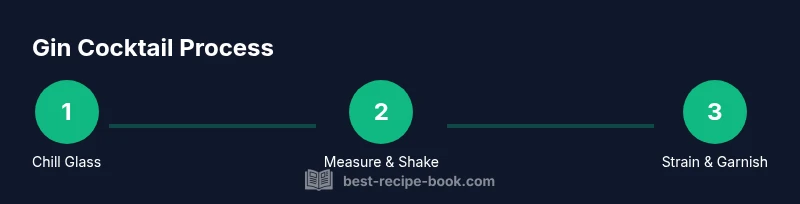
Chill the glass
Place the glass in the freezer for a few minutes or fill with ice and cold water to chill. A cold glass helps maintain temperature and preserves aroma from the first sip.
Tip: Use a stemmed coupe for a crisp, elegant chill. - 2
Measure gin and modifiers
Measure gin and any vermouth or modifiers precisely with a jigger to maintain balance. Start with a recommended ratio (often 2:1:1 for gin:acid:sweet) and adjust to your palate.
Tip: Record your preferred ratio so you can repeat it later. - 3
Add ice and shake or stir
Add ice to the shaker and either shake (for citrusy or creamy components) or stir (for spirit-forward drinks). Shaking for 10–15 seconds is enough to chill and dilute; stirring 20–30 seconds yields a smoother texture.
Tip: Shake vigorously for a frothier texture when using egg white. - 4
Strain into glass
Strain the mixture into the prepared glass to remove ice shards and botanical sediment. A fine-mesh strainer gives a cleaner pour for delicate drinks.
Tip: If using egg white, strain through a fine sieve to remove bubbles. - 5
Garnish and serve
Finish with a citrus twist, olive, or herb garnish that complements the drink’s aromatics. Serve immediately at the right temperature for optimal aroma and balance.
Tip: Twist citrus over the drink to release oils, then rub the rim before placing the garnish. - 6
Taste and adjust
Before serving, take a small sip to confirm balance; adjust with a drop more citrus or a touch of simple syrup if needed.
Tip: Establish your baseline recipe so you can quickly scale up for guests.
People Also Ask
What is the best gin for cocktails?
The best gin for cocktails depends on the drink. For most classics, a dry, juniper-led London Dry works reliably. If you want more botanical depth, try a modern, citrus-forward gin and adjust sweetness to balance the extra aromatics.
Start with London Dry for most recipes; explore botanical gins to create unique twists.
Should I shake or stir a gin martini?
Traditionally, a martini is stirred to maintain clarity and a silky texture. Shaking can chill faster but creates a cloudier drink and slightly different mouthfeel due to dilution.
Stir if you want a clear, smooth martini; shake only if you’re chasing a colder, more aerated finish.
Can I make gin cocktails in advance?
Yes, you can batch some gin cocktails for guests, but avoid carbonated components until serving. Prepare the base, chill, and add fizz or sparkling elements just before serving.
Batch the base ingredients, then add the fizz right before serving to keep the drink lively.
What if my gin cocktail tastes too sour?
Add a touch more simple syrup or a splash of extra citrus juice balanced by a small amount of water or soda. Taste and adjust gradually to avoid oversweetening.
Add sweetness slowly until the flavor sits right for you.
How do I balance a gin sour without an egg white?
Skip the egg white and rely on citrus and syrup to balance; you’ll get a crisper, less creamy texture but still achieve a bright balance.
If you skip the egg white, rely on lemon balance and a touch more syrup for body.
Is tonic water OK with any gin?
Tonic pairs best with crisp, citrusy gins. If your gin is very botanical, a lighter tonic works well to avoid overpowering the botanicals.
Pair a bright gin with a clean tonic for a refreshing result.
Watch Video
Key Takeaways
- Master a gin cocktail with a reliable 2:1:1 balance base
- Use proper technique (shake vs stir) to control dilution and texture
- Garnish thoughtfully to unlock aroma and enhance flavor
- Batch cocktails carefully, preserving fizz and balance
- Always taste and adjust before serving