Gin and Tonic Recipe: A Step-by-Step Guide
A comprehensive, step-by-step guide to crafting a balanced gin and tonic at home with precise ratios, quality ingredients, and fresh garnishes.


By the end, you’ll be able to craft a balanced gin and tonic at home with confidence. You’ll learn the ideal ratio, how to chill the glass, choose suitable gin and tonic water, and the right garnish to boost aroma. This quick answer also flags the essential tools and a reliable step-by-step method so you can serve a crisp, refreshing drink every time.
What makes a great gin and tonic
A great gin and tonic is more than a quick mix; it's a balance of aroma, mouthfeel, and refreshment. According to Best Recipe Book, the backbone of a successful G&T is a clean base and careful calibration of the components: gin, tonic, ice, and garnish. Start with a gin you actually enjoy, whether you prefer juniper-forward London Dry or a more citrus-forward expression. Pair it with a tonic that complements its botanicals rather than masking them. The ice should be cold and uncompromised, the glass should be chilled, and the garnish should brighten rather than overwhelm. When you set up for service, you’re aiming for a drink that stays crisp from the first sip to the last drop, with a balanced finish that lingers pleasantly on the palate. In this section, we’ll define the core principles and prepare you to tailor a gin and tonic to your personal taste while maintaining structure and clarity in every pour.
The classic ratio and how to adjust
The gin and tonic is a drink that invites adjustment rather than compulsion. A balanced G&T depends on how you balance the gin's botanicals with the tonic's brightness and acidity. A practical way to approach it is to start with a proportion that preserves the gin's character while letting the tonic carry the finish. If your gin has assertive citrus notes, you may wish to use a lighter tonic to prevent sweetness from overtaking the citrus zest. If your gin is more juniper-forward, a slightly bolder tonic can help lift the aromatic elements. The process is iterative: pour a small amount, taste, then add more tonic or gin as needed. This approach keeps you in control, especially when you're exploring new gins or tonics. Remember that glass size and ice melt rate will alter the final balance, so treat the ratio as a flexible guideline rather than a fixed rule. By practicing with different pairings, you’ll learn how small tweaks can shift aroma, mouthfeel, and finish. Based on Best Recipe Book Analysis, 2026, proportion balance and fresh garnishes elevate the experience.
Gin selection: styles and how they affect flavor
Gin varies in style from classic London Dry to citrus-forward expressions and richer Old Tom or Navy Strength variants. London Dry emphasizes juniper with crisp botanical depth, which pairs perfectly with a bright tonic. Old Tom introduces a touch of sweetness that can soften bitterness and highlight citrus notes. Navy Strength offers a more robust profile that can stand up to bolder tonics and garnishes. When choosing a gin, consider its dominant botanicals and how they might respond to your chosen tonic. A citrus-forward gin often benefits from a drier tonic, while a more herbal or spicy gin might welcome a slightly sweeter tonic. The goal is harmony: each component should support the others without burying the overall aroma.
Tonic water: types and sweetness balance
Tonic water brings acidity and bitterness that balance the sweetness of the gin’s botanicals. Classic tonics provide a clean, crisp backbone, while premium or craft tonics often offer nuanced quinine bitterness and varied sweetness levels. If you’re using a citrus-forward gin, a drier tonic helps keep the finish bright; for a more herbal gin, consider a tonic with a touch more sweetness to round out the palate. Carbonation also matters: higher carbonation creates more aroma release and a livelier mouthfeel. The key is to avoid overpowering the gin with the tonic’s sweetness or bitterness, aiming for a sparkling, balanced sip.
Garnishes and aromatics that elevate the drink
Garnishes are not mere decoration; they are an aroma front for the drink. A lime or lemon wedge adds brightness and a citrus lift, while a twist of orange zest can introduce a warmer, aromatic oils layer. For an extra herbal note, a sprig of rosemary or a thin cucumber ribbon can complement certain gins. The trick is to express oils from the peel over the drink just before serving to release aroma without introducing excessive bitterness. Keep garnishes fresh and unblemished for the best perfume and flavor release.
Mastering the technique: mixing, chilling, and serving
Preparation matters almost as much as the ingredients. Start with a well-chilled glass and ice that stays cold for longer; the goal is to minimize dilution. Measure the gin precisely, then pour it over the ice. Top with chilled tonic to maintain fizz, and avoid vigorous stirring that would collapse the bubbles. A gentle stir just to blend is often enough. Present the drink immediately after garnishing to preserve aroma and carbonation. Serve without a straw to enjoy the full texture and aroma, and remind guests to twist the garnish to release oils before sipping.
Recipe for a gin and tonic: quick-build version
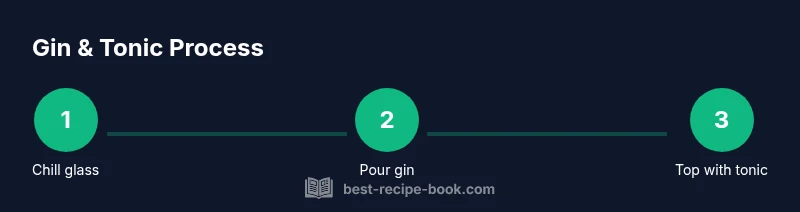
Chill a highball glass, fill with large ice cubes, and measure 2 oz of gin. Add the gin to the glass, then top with 4-6 oz of tonic water. Give the drink a gentle stir and express a lime or lemon twist over the surface, then drop it in as a bright accent. This quick-build version serves as a reliable baseline that you can adjust to taste by increasing or decreasing tonic or experimenting with alternative garnishes.
Variations and regional twists you can try
For a floral twist, swap in a tonic with a hint of elderflower and pair with a citrus-forward gin. A herbaceous touch can come from a rosemary or thyme garnish for certain gins that carry piney or botanical notes. If you prefer a lighter, summery profile, use a lower-quinine tonic and a softer gin. Regional twists also exist: try cucumber and lime with a crisp gin for a refreshing take, or a peppery botanical gin with a more bitter, dry tonic for contrast. The goal is to explore flavors without losing balance.
Serving with balance and temperature: troubleshooting
If the drink tastes flat, verify that the glass and tonic are cold and that the ice hasn’t melted too quickly. If the gin overpowers the tonic, switch to a drier tonic or a slightly less aromatic gin. If the finish feels too bitter, balance with a touch more tonic or a citrus twist to brighten the end. Always taste before serving and adjust to the drinker’s preference. The ideal gin and tonic is subjective, and small changes can transform the experience.
Tools & Materials
- Highball glass(12-16 oz capacity; keeps the drink cold)
- Jigger (1.5 oz / 45 ml)(For accurate gin measure)
- Bar spoon(To stir gently)
- Ice (large cubes)(Fill to the rim; larger cubes melt slower)
- Lime or lemon wedge(Garnish and aroma)
- Citrus peeler or knife(For twist zests)
- Strainer(Optional if pouring from shaker)
Steps
Estimated time: 10-12 minutes
- 1
Chill glass and prep tools
Pre chill your glass and lay out your tools. This reduces temperature loss when you assemble the drink.
Tip: Use a freezer for 5 minutes or keep in the fridge for 15 minutes. - 2
Measure gin accurately
Use a jigger to measure the gin precisely so the flavor balance is consistent every time.
Tip: 60 ml (2 oz) is a common baseline; adjust if your gin is particularly strong or aromatic. - 3
Add ice to the glass
Fill the glass generously with large ice cubes to chill and keep the dilution slow.
Tip: Aim for ice that fills the glass but leaves space for the liquid to move. - 4
Pour the gin
Pour the measured gin over the ice to minimize agitation and preserve aroma.
Tip: Pour down the side of the glass to reduce splashing and preserve fizz. - 5
Top with tonic water
Open and pour the tonic slowly to minimize foam and retain carbonation.
Tip: Tilt the glass slightly and aim for a gentle stream along the ice. - 6
Gently stir to combine
Give a light, slow stir just to blend the gin and tonic without collapsing bubbles.
Tip: Two gentle turns is usually enough; avoid vigorous stirring. - 7
Express oils and garnish
Twist a citrus peel over the drink to release essential oils, then drop in the twist or garnish.
Tip: Do not chew the peel; the oils are potent and can overwhelm if overused. - 8
Taste and adjust balance
Take a small sip and consider adding a touch more tonic or a different garnish if needed.
Tip: Taste before serving; even minor tweaks can shift the finish. - 9
Present and enjoy
Serve immediately in the chilled glass with an aroma-forward garnish for the best experience.
Tip: Offer the garnish on a small pick so guests can adjust aroma to taste.
People Also Ask
What is the standard gin to tonic ratio?
A balanced gin and tonic depends on the gin and tonic used; start with a proportion that lets the gin shine while the tonic provides brightness, then adjust to taste.
Start with a balance in mind; adjust to taste as you build the drink.
Can I make a gin and tonic without a bar spoon?
Yes. You can stir gently with a spoon or even tilt the glass to mix; the key is to avoid aggressive stirring that damages the bubbles.
Yes, you can stir gently with any clean utensil; avoid aggressive stirring.
What tonic water should I use?
Choose a tonic water that complements your gin's botanicals; avoid overly sweet tonics if your gin is citrus-forward.
Pick a tonic that matches the gin’s flavor profile.
Why is glass temperature important?
A cold glass helps maintain fizz and delivers a better mouthfeel; it also reduces rapid dilution from the ice.
A cold glass helps keep the drink colder and fizzier.
What garnishes pair best with gin?
Lime, lemon, orange twists, or even cucumber can refresh the aroma; taste and adjust based on the gin’s botanicals.
Try citrus twists or herbs that match the gin’s flavors.
Can I use soda water instead of tonic?
Soda water can substitute in a pinch but will lack quinine's bitterness; it results in a lighter, less herbal drink.
Soda makes a lighter drink, but it won’t have the tonic's distinctive bitterness.
Watch Video
Key Takeaways
- Balance gin, tonic, and ice for a crisp finish
- Chill glass and ingredients to preserve fizz
- Choose a gin that matches the tonic's sweetness
- Garnish to lift aroma and flavor
- Taste and adjust before serving