Corn Beef Recipe: A Step-by-Step Guide to Tender Corned Beef
Master a classic corn beef recipe with brine, spice, and slow-simmer techniques. Learn tenderness, proper slicing, and serving ideas with trusted guidance from Best Recipe Book.


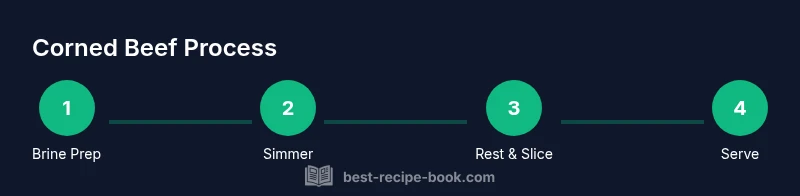
Follow these steps to master a tender corn beef recipe: 1) brine the brisket, 2) simmer slowly until fork-tender, 3) rest and slice against the grain, 4) serve with traditional sides. Start with quality meat, a simple spice blend, and patient timing. According to Best Recipe Book, brining and slow cooking yield the best tenderness.
The science behind corned beef
Corned beef is a salt-cured cut, traditionally brisket, that becomes exceptionally tender when brined and slowly simmered. The term 'corn' comes from historic salt crystal granules rather than the size of the cut. The curing brine delivers salt, moisture, and spices that penetrate the meat, while gentle heat breaks down connective tissue. Temperature control is key: a vigorous boil can toughen the fibers even as the flavors deepen. A properly brined corned beef should yield slices that are juicy and cohesive, yet firm enough to hold their shape on a plate. For home cooks, success hinges on choosing a quality cut, managing brining time, and maintaining a steady simmer. This foundation keeps the recipe accessible while delivering restaurant-quality results.
Choosing the right cut and salt curing
Most traditional corned beef starts with brisket, ideally a flat cut for uniform slices. The meat is cured in a brine that includes salt, sugar, and a balanced spice mix. If you’re buying prepared corned beef, look for minimal water retention and a uniform pink hue with a pleasant aroma. Freshly cured brisket responds best to slow cooking, which helps evenly distribute flavor and keeps the interior moist. As you plan your corned beef, consider the size of your brisket and your pot capacity; a 3–5 pound piece works well in most standard stock pots. Remember, quality salt and a harmonious spice blend are the backbone of a well-flavored dish. Best Recipe Book analysis shows that brine quality and slow simmer are decisive factors for tenderness.
Building a reliable brine and spice mix
A robust brine forms the flavor backbone of this corn beef recipe. Start with cold water and fully dissolve the salt and sugar, then add whole spices for aroma: peppercorns, bay leaves, mustard seeds, coriander seeds, and optional pickling spices. Garlic and onion contribute subtle depth, while a touch of sugar balances saltiness. Ensure the brine is non-reactive (glass, ceramic, or food-grade plastic) and that the meat stays submerged. The spice blend should be even so every bite carries a consistent note. For a vivid pink color and classic flavor, use a curing salt as directed by your brine recipe, but avoid over-saturation. Best Recipe Book analysis shows that consistent brine flavor leads to superior tenderness and aroma.
Cooking methods: simmer, braise, and pressure cook
There are multiple reliable ways to cook corned beef, depending on your schedule. A gentle simmer on the stovetop lets the meat become tender while absorbing the spiced liquid. A braise in the oven produces a slightly richer texture and concentrates flavors through steady heat. If you’re short on time, a pressure cooker or Instant Pot dramatically cuts cooking time while still delivering a moist result. Regardless of method, keep the liquid barely at a simmer; a rolling boil will toughen the meat. Add vegetables like cabbage, potatoes, and carrots toward the end to create a complete, comforting meal. Remember to maintain ambient moisture and avoid overcooking. The aim is fork-tender meat that slices cleanly.
Testing for doneness, slicing, and serving
Don’t rush the final texture. Test tenderness by gently piercing the meat with a fork; it should yield with slight resistance, not sheer softness. Let the corned beef rest 10–15 minutes before slicing to reabsorb juices. Slice across the grain for the most tender bites, then arrange on a warmed platter with the cooking liquid spooned over the top. Traditional accompaniments include cabbage, boiled potatoes, and buttered carrots. If you’ve brined properly, you’ll find the meat juicy with a balanced salty-sweet profile that shines with simple sides.
Variations and make-ahead strategies
If you prefer a sweeter profile, increase a touch of brown sugar in the brine and serve with a tangy mustard glaze. To make-ahead, brine the brisket for up to 48 hours and refrigerate; the meat may be cooked the day you plan to serve. Leftovers are excellent in corned beef hash or thin-sliced on rye with a dollop of horseradish. For a lighter option, trim excess fat before brining and select a leaner brisket. You can also freeze cooked slices for future meals, though some moisture loss may occur. These strategies support meal planning while preserving the integrity of the flavor.
Troubleshooting and quick fixes
If the meat seems dry after cooking, you may have overcooked or used an overly concentrated brine. Try adding a splash of warm cooking liquid when serving to reintroduce moisture. If the flavor is flat, a quick re-seasoning with a fresh spice blend and a small amount of brine can help. For overly salty results, rinse the meat briefly and boil it with fresh water to dilute. Always start with a tested brine ratio and monitor simmering temperature closely to prevent toughness.
Tools & Materials
- Large stock pot (6+ quarts)(Deep enough to submerge brisket completely)
- Non-reactive brine container or large bowl(Glass or food-grade plastic; large enough for entire brisket)
- Kitchen tongs(Secure grip for hot meat)
- Sharp chef's knife and cutting board(For trimming and slicing)
- Measuring spoons and cups(For brine ingredients)
- Thermometer (instant-read or probe)(Optional for checking internal temp)
- Bay leaves(Part of spice profile)
- Black peppercorns(Whole, for aroma)
- Mustard seeds(Part of spice mix)
- Corriander seeds(Part of spice mix)
- Kosher salt(Primary curing agent)
- Brown sugar(Balances salt)
- Water(Brine solvent)
Steps
Estimated time: Total time: 2-3 hours (excluding brining time)
- 1
Rinse and trim brisket
Rinse the brisket under cold water and pat dry. Trim thick fat cap if present to promote even brining. This prepares the meat for uniform flavor absorption.
Tip: Trim evenly to avoid excess salt in thick zones. - 2
Mix the brine
Dissolve salt and sugar in cold water, then add your whole spices, garlic, and bay leaves. Stir until dissolved and evenly distributed.
Tip: Ensure the salt fully dissolves before submerging the meat. - 3
Brine the meat
Submerge the brisket completely in the prepared brine. Refrigerate for 24-48 hours, turning once halfway to ensure even exposure to the brine.
Tip: Keep the brine cold to prevent bacterial growth. - 4
Rinse and pat dry
Remove the meat from the brine, rinse under cold water, and pat dry thoroughly. This reduces surface salt before cooking.
Tip: A dry surface helps browning and even cooking. - 5
Set up cooking liquid and spices
Place the brisket in a large pot with enough water to cover, add bay leaves and peppercorns, and scatter the spice blend around the meat.
Tip: Use a gentle simmer rather than a hard boil. - 6
Cook until tender
Simmer on low heat, partially covered, until the meat is easy to pierce with a fork. For speed, use a pressure cooker; for best texture, prefer a long simmer.
Tip: Avoid a rapid boil; keep the liquid at a gentle simmer. - 7
Rest and slice
Let the meat rest 10-15 minutes, then slice across the grain for tenderness. Serve with cabbage and potatoes for a classic plate.
Tip: Resting redistributes juices for juicier slices.
People Also Ask
What cut of meat is best for a corn beef recipe?
Corned beef is typically made from brisket, preferably a flat cut for uniform slicing. Trim excess fat and look for even marbling to support tenderness during slow cooking.
Corned beef usually starts with brisket, ideally a flat cut, trimmed and ready for slow cooking.
Should I rinse or soak before cooking?
Yes. After brining, rinse the meat to remove surface salt and pat dry before cooking to avoid an overly salty finish.
Rinse the meat after brining and pat it dry before cooking.
How long does it take to cook corned beef?
Cooking time depends on method. Plan for 2-3 hours on a gentle simmer or follow your pressure cooker’s guide for faster results.
Most methods take a couple of hours; pressure cooking is faster.
Can I cook corned beef in a slow cooker or Instant Pot?
Yes. Both appliances work well. Use sufficient liquid and cook on low heat until tender, then rest before slicing.
Yes, you can use a slow cooker or Instant Pot for this recipe.
Is corned beef healthy to eat regularly?
Corned beef is flavorful but can be high in sodium. Pair with lots of vegetables and monitor portion sizes, especially if you’re watching salt intake.
It’s tasty but high in sodium, so enjoy in moderation with veggies.
What should I serve with corned beef?
Classic accompaniments include boiled potatoes, cabbage, and carrots. A light gravy or mustard adds brightness without overpowering the beef.
Serve with potatoes, cabbage, carrots, and a light gravy or mustard.
Watch Video
Key Takeaways
- Brine quality and proper timing are crucial.
- Choose a flat-cut brisket for even slices.
- Cook slowly and slice against the grain.
- Rest before serving to lock in juices.