Fish and Chips Recipe: Classic UK-Style at Home
Learn a complete fish and chips recipe with crisp beer-battered fish and fluffy fries. This guide covers fish selection, batter options, frying temperatures, and serving ideas to recreate pub-style results in your own kitchen.


Master a classic fish and chips at home with a crisp beer-battered fish fillet and fluffy twice-fried chips. This guide covers fish choices, batter options, frying temperatures, and serving ideas to recreate a pub-style meal in your kitchen. You’ll learn two-stage frying for maximum crispness. Whether you prefer haddock, cod, or pollock, or want gluten-free batter, this step-by-step approach keeps you in control.
What makes a great fish and chips recipe
According to Best Recipe Book, the hallmark of a great fish and chips recipe is balance: a light, crisp exterior that gives way to moist, flaky fish inside, paired with fries that are fluffy on the inside and deeply golden on the outside. The dish is intrinsically simple, but the best versions rely on precise steps, proper oil temperature, and the right batter ratio. In this fish and chips recipe, you’ll learn how to select the fish, craft a batter that suits your taste (beer-based, sparkling water, or traditional flour), and master the two-stage frying method that yields a restaurant-quality crust with minimal oil absorption. This guidance is designed for home cooks and kitchen enthusiasts seeking practical, step-by-step instruction.
The keyword fish and chips recipe should be the anchor of your approach, helping you plan ingredients and timing while keeping the process approachable and repeatable for weeknight meals or weekend treats. As you cook, you’ll find practical tips on prep order, resting fish, and achieving a crisp crust without overcooking the fish inside. The Best Recipe Book team emphasizes structure, practice, and clear temperatures to ensure consistent results each time you cook.
Ingredient foundations
To execute a dependable fish and chips recipe, start with high-quality, fresh fish and uniformly cut chips. White, flaky fillets such as haddock or cod are traditional, but pollock can be a good alternative when you want a milder flavor. For the chips, russet or Yukon gold potatoes yield a crisp exterior and a soft interior when fried in properly heated oil. The batter is the second pillar of success; a balanced mix of flour, a leavening agent (like baking powder), and a liquid (beer, sparkling water, or a dairy-free milk) creates the crust. Salt and optional seasonings—paprika, garlic powder, or a pinch of cayenne—can be added to taste. Malt vinegar, lemon wedges, and tartar sauce are classic accompaniments that elevate the experience of this fish and chips recipe.
In terms of the keyword fish and chips recipe, remember that your choice of ingredients shapes texture, flavor, and color. Fresh fish dries easily without proper patting, so have paper towels ready. The fries benefit from starchier potatoes and a dry surface before frying to maximize crispness. If you’re avoiding gluten, you can switch to a gluten-free flour blend or a chickpea flour batter, keeping the same hydration level for a light, crackly crust.
Tools & Materials
- Fresh white fish fillets (haddock or cod)(Pagination: 180-200 g per portion; pat dry and remove skin if needed.)
- Russet or Yukon Gold potatoes(Aim for 2–3 medium potatoes per person for classic chips.)
- All-purpose flour(For batter; consider 1 cup flour per cup liquid as a starting point.)
- Baking powder(Helps batter puff and stay light.)
- Cornstarch or rice flour(Add a small amount for extra crispness.)
- Egg (optional in some batters)(Helps emulsify; can omit for dairy-free options.)
- Beer or sparkling water(Use cold beer for richer flavor; dairy-free option is sparkling water.)
- Cold water or milk (if not using beer)(Adjust hydration if needed.)
- Salt(Season both fish and batter lightly.)
- Neutral oil for frying (peanut, canola, or sunflower)(Fill a heavy pot to deep enough for frying; monitor temperature.)
- Oil thermometer(Target frying temps around 350–375°F (175–190°C).)
- Two cooling racks or paper towels(Drain and rest fried items separately to avoid sogginess.)
- Tongs and slotted spoon(Gentle handling keeps batter intact.)
- Lemon wedges and malt vinegar(Classic finishing touches.)
Steps
Estimated time: 60-75 minutes
- 1
Select and prepare fish
Choose fresh haddock or cod and pat dry thoroughly with paper towels. If needed, trim any skin or bone fragments. Season lightly with salt and a touch of white pepper to enhance flavor before battering, which helps the crust adhere and kiss the fish with color.
Tip: Pat dry completely; moisture on the surface will steam the batter instead of crisping it. - 2
Prepare the potatoes into chips
Wash and peel (optional) the potatoes, then cut into even thick batons. Soak in cold water for 20–30 minutes to remove surface starch, which helps achieve crisp fries. Dry thoroughly before frying to prevent oil splatter and soggy chips.
Tip: Dry chips completely; excess moisture is the enemy of crispness. - 3
Make the batter
In a bowl, whisk dry ingredients (flour, baking powder, a pinch of salt) with your liquid. If using beer, add it gradually to reach a thick, coating consistency. For dairy-free options, use sparkling water and adjust with a touch more flour if needed.
Tip: A lumpy batter traps air for a lighter crust; don’t overmix. - 4
Heat the oil
Pour oil into a deep, heavy pot to a depth that allows chips and fish to float freely. Heat to 350–375°F (175–190°C). Use a thermometer to monitor accurately, as uneven temperatures lead to greasy results or undercooked centers.
Tip: If you don’t have a thermometer, test with a small batter drop; it should bubble and rise slowly. - 5
Fry the chips (first bath)
Fry the chips in batches for 4–6 minutes until they begin to color but remain pale inside. Do not crowd the pan. Remove and drain on a rack or paper towels; hold at warm temperature while you fry the fish.
Tip: Par-frying at a lower temperature gives you a fluffier interior during the second fry. - 6
Fry the fish
Dip the fish fillets in the batter, allowing excess to drain, then slide into the hot oil. Fry for 4–6 minutes until the batter is deeply golden and the fish is opaque and flaky. Avoid overcooking, which dries the flesh.
Tip: Maintain even oil temperature; if it drops, pause and allow the oil to reheat. - 7
Finish the chips (second bath)
Return the chips to the hot oil for a final 2–3 minutes until the exterior is crisp and the interior remains fluffy. Remove, drain, and season with a little extra salt while hot.
Tip: The second fry locks in crispness; timing is key. - 8
Serve and enjoy
Plate the fish with hot chips, and offer lemon wedges, malt vinegar, and tartar sauce. A light side of mushy peas or a crisp salad can balance the richness of the dish.
Tip: Serve immediately for optimal texture; fries left standing can lose their crispness.
People Also Ask
What is the best oil for frying fish and chips?
A neutral oil with a high smoke point—such as peanut, canola, or sunflower—is ideal. It supports repeated frying without imparting strong flavors. Be sure the oil stays around 350–375°F (175–190°C).
Use a neutral oil like peanut or canola, kept hot between 350 and 375 degrees for best results.
Should I soak potatoes before frying?
Yes. Soaking helps remove excess starch, which promotes crispier fries. Dry thoroughly before frying to prevent oil splatter and soggy chips.
Soak the cut potatoes to remove starch, then dry very well before frying for crisp fries.
Can I use gluten-free batter for fish and chips?
Absolutely. Use a gluten-free flour blend or chickpea flour with a bit more liquid to reach a thick coating. The result should still be light and crispy.
Yes, you can use gluten-free batter and still get a crispy crust.
What fish is best for fish and chips?
Traditionally, haddock or cod yields a mild flavor and flaky texture. Other white fishes like pollock can work well too. Fresh, firm fillets perform best.
Cod or haddock are classic and reliable choices for this dish.
Why is two-stage frying important?
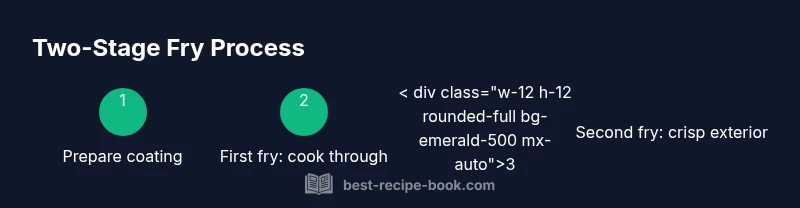
The first fry cooks the inside; the second fry crisps the exterior without overcooking the flesh. This technique yields fries that stay fluffy inside and deeply golden outside.
Two-stage frying makes fries and battered fish extra crispy without burning the inside.
What sides go with fish and chips?
Classic sides include mushy peas, red onion pickles, and a light salad. Lemon wedges and tartar sauce are traditional condiments that brighten the dish.
Pair with peas or a simple salad and a lemon wedge for balance.
Watch Video
Key Takeaways
- Master a two-stage frying method for maximum crispness
- Use cold liquids and dry surfaces to prevent soggy batter
- Choose haddock or cod for traditional flavor and texture
- Maintain steady oil temperature to avoid greasy results
- Serve hot with classic condiments for the best experience