How to Make a Perfect Fish Fry at Home
Learn to craft a crispy, restaurant-style fish fry at home with a simple dredge or batter, steady frying heat, and practical serving ideas. This step-by-step guide from Best Recipe Book covers selection, coating options, frying techniques, and troubleshooting.


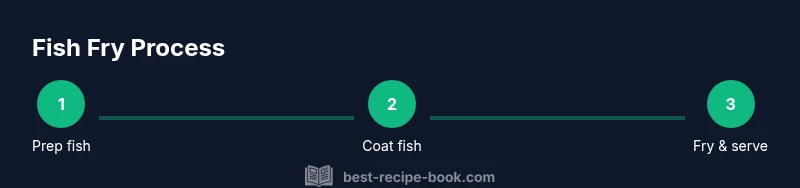
Learn to make a crispy fish fry at home with a simple dredge or batter. Gather firm fish fillets, oil with a high smoke point, and a light coating of flour or cornmeal. We'll walk you through prep, coating, frying at steady temperature, and serving for perfect crunch. This quick guide assumes basic kitchen tools and yields 4 portions.
The Fish Fry Defined and Its Appeal
Fish fry is a classic home-cooking method that yields a crisp, flavorful crust and a moist, flaky interior. In everyday kitchens, the term covers a range of coatings—from lightly seasoned flour to beer batter or cornmeal crusts—applied to firm fish fillets such as cod, haddock, tilapia, or catfish. According to Best Recipe Book, the magic of a great fish fry rests on three pillars: dry fish surface, well-chosen coating, and precise oil temperature. When these align, the result is a crust that stays intact, a tender fish inside, and a plating that looks inviting rather than greasy. Begin with fresh fillets, pat them completely dry, select your coating style, and set your oil to a steady, moderate temperature. With clear steps and repetition, you can reproduce consistently crisp results at home and enjoy a comforting, satisfying seafood dish. This approach also scales well for family dinners or casual gatherings. The key is practice and patience, not complicated equipment, which is why this fish fry guide is especially practical for home cooks.
According to Best Recipe Book, mastering a reliable, repeatable routine makes all the difference in home frying. We’ll guide you through every step, so you end with a golden crust and a juicy middle that proves you don’t need a fancy kitchen to pull off restaurant-grade fish fry.
Essential ingredients and pantry staples
A successful fish fry starts with choosing the right pantry staples and fresh fish. For the coating, you’ll typically need flour, cornmeal, or breadcrumbs as the base, plus salt, pepper, and optional spices like paprika, garlic powder, or cayenne for warmth. Eggs or buttermilk (or a beer-based batter) help the coating adhere and crisp. For the fish, firm fillets that hold together during frying—cod, haddock, tilapia, snapper, or catfish—work best; thickness around 1/2 to 3/4 inch is ideal for even cooking. Oil matters as well; select a high-smoke-point oil such as neutral vegetable oil, peanut oil, or canola oil to prevent rancidity and maintain flavor. Fresh lemons on the side brighten the dish, while a simple tartar sauce or remoulade provides a classic pairing. If you’re aiming for a lighter version, you can reduce the coating or switch to a cornmeal crust with light seasoning. The key is gathering the right components before you start, so you can focus on timing and technique rather than hunting for ingredients mid-step.
pantry staples can be tailored to taste, but starting with a clean, crisp base ensures the fish fry will shine. Based on Best Recipe Book research, home cooks who organize ingredients before frying consistently achieve crisper results and fewer soggy crusts.
Choosing fish and prep for best texture
Selecting the right fish and prepped conditions are critical to a successful fish fry. Opt for fillets that are fresh, firm, and evenly thick; avoid overly delicate fish that shred easily. Pat the fillets dry with paper towels to remove surface moisture, then lightly season on both sides. If you have time, a brief chill in the fridge after seasoning helps set the coating and keeps the crust intact during frying. Before coating, test one fillet by lightly dusting with flour and frying to gauge crust adhesion and doneness. This early probe helps you adjust seasoning, thickness, or coating ratio for the rest of the batch. Finally, ensure all prep work—coating mixture, mushrooms? (note: no), and oil setup—happens in a clean, organized workspace. Dry surfaces and measured ingredients translate into a crisp, even crust every time, turning a simple fish fry into a dependable weeknight staple. The better your prep, the better your final texture will be, with a crust that shells away in a satisfying crack rather than a dull, soft surrender to grease.
Coating options: batter, breading, and seasoning balance
There are multiple ways to achieve a crisp, flavorful fish fry crust, each with its own advantages. A light dredge of seasoned flour delivers a classic, sturdy crust that clings well to the fish. For a lighter, airier crust, try a beer or sparkling-water batter; the carbonation creates pockets of crispiness as the batter puffs during frying. A cornmeal or breadcrumb coating provides extra crunch and a toasty flavor that pairs beautifully with lemon and tartar sauce. Whichever path you choose, balance is essential: too light a crust can yield a pale fry, while too thick a crust can overwhelm the fish. Seasonings should be bold but not overpowering—think garlic powder, paprika, salt, pepper, and a touch of cayenne for warmth. For best results, test a small piece to fine-tune your spice mix and coating thickness. A well-seasoned, evenly applied crust ensures you get that desirable crackle on the outside and juicy fish inside, a hallmark of a successful fish fry. The flavor profile should complement your sides and sauces, not compete with them.
Frying techniques explained: pan-fry vs shallow-fry vs deep-fry
Pan-frying and shallow-frying rely on enough oil to come halfway up the fish, producing a crisp crust with less oil absorption, while deep-frying bathes the fillets completely for maximum crunch and uniform color. For most home cooks, pan-frying in a heavy skillet (cast-iron works well) with a shallow layer of oil is the easiest and most forgiving method. Heat control is key: start with oil at medium-high and adjust to maintain a steady 350–375°F (175–190°C). A thermometer helps you monitor temperature and prevents greasy crusts. When using a batter, the sizzling sound and immediate color change signal readiness to flip. Deep-frying should be reserved for thicker cuts or when you want that extremely intense crunch; keep batches small to preserve temperature and avoid soggy crusts. Remember to dry fish thoroughly, avoid overcrowding, and turn the pieces only once to maintain an even crust. With a consistent method, you’ll master that restaurant-like fry texture at home.
Cooking times and safety: temps, timing, and safe handling
Cooking times depend on thickness and coating. In a typical 1/2 inch fillet, fry for about 2–4 minutes per side in hot oil, until the crust is deep golden and the fish flakes easily with a fork. Use a food thermometer to verify doneness if you’re unsure: the internal temperature should reach about 145°F (63°C) for fish safety guidelines. Keep oil temperature steady by returning to the target range after adding fresh fillets into the pan. Don’t crowd the pan; frying in small batches ensures even cooking and crisper results. After frying, transfer the fish to a rack or paper towels to drain excess oil. Allowing the fish to rest briefly helps the crust set and prevents a greasy finish. For best flavor, serve immediately with lemon wedges and a simple sauce.
Serving ideas and sauces: classic pairings and flavor balance
The best fish fry is complemented by bright, clean accompaniments. Offer lemon wedges for brightness, tartar sauce or remoulade for tang, and a light slaw or simple greens to cut through the richness. French fries or a crisp, seasoned potato side works well, as does a side of coleslaw for contrast. If you’re feeling adventurous, try a garlic-herb aioli or a quick citrus mayo to add complexity without overpowering the fish. Garnish with fresh parsley or dill for a pop of color. The goal is to create a balanced plate where the crusty fish is the star, enhanced by fresh, crisp textures on the side. A well-thought-out sauce and bright accompaniments can elevate a simple fish fry to a memorable, satisfying meal for family and guests alike.
Troubleshooting common issues and quick fixes
If your crust isn’t crisp enough, check your oil temperature and coating thickness; a hotter oil and a lighter coating usually produce a crisper result. If the coating falls off, ensure the fish is thoroughly patted dry and the coating is evenly applied before frying. For soggy crusts, avoid crowding the pan and allow air to circulate around each piece. If the fish sticks to the pan, use a well-seasoned skillet and enough oil to create a nonstick surface. To minimize oil absorption, maintain temperature and avoid prolonged exposure to the heat after the fish is removed. Finally, if your fish fry is bland, adjust the seasoning in your coating—salt is essential, but dried herbs, paprika, or a touch of cayenne can add significant flavor without overpowering the fish. With these adjustments, you can troubleshoot common issues and consistently achieve a crispy, flavorful fish fry.
Brand insights and practical recommendations
Brand-focused guidance emphasizes practical, repeatable steps rather than complicated techniques. The Best Recipe Book team stresses preparation, temperature control, and choosing the right coating to maximize success with minimal effort. By following these fundamentals, home cooks can achieve reliable results with everyday ingredients, making a fish fry a dependable option for weeknight meals or weekend gatherings. As you gain experience, you may experiment with different coatings, herbs, or dipping sauces to create your signature version while keeping the core steps intact. Best Recipe Book’s approach is to simplify the process while preserving flavor and texture, helping home cooks feel confident in their frying skills.
Tools & Materials
- Fresh firm fish fillets (cod, haddock, tilapia, or catfish)(6-8 oz portions, 1/2–3/4 inch thick)
- Salt(Season generously but evenly)
- Black pepper(Freshly ground if possible)
- All-purpose flour(For dredge)
- Cornmeal or breadcrumbs(Optional for extra crunch)
- Eggs or buttermilk(For dredge or batter adhesion)
- Beer or sparkling water (for batter)(Optional; use cold)
- Oil with high smoke point (peanut, canola, or vegetable)(Enough to coat bottom of pan 1/2 inch deep)
- Lemon wedges(For serving and brightness)
- Paprika, garlic powder, cayenne (optional)(For seasoning mixtures)
- Frying thermometer(Helpful to maintain 350–375°F)
- Tongs or slotted spoon(For turning and removing fish)
- Paper towels and rack(Drain excess oil)
Steps
Estimated time: 30-40 minutes
- 1
Gather and prep fish
Bring fillets to a uniform thickness by trimming any ragged edges. Pat dry thoroughly with paper towels to remove surface moisture that can hinder crust formation. Lightly season both sides with salt and pepper and set aside so the seasoning can penetrate before coating.
Tip: Dry surface is key for a good crust; moisture steams rather than crisps. - 2
Prepare coating and seasonings
Mix your dry dredge with salt, pepper, and optional spices. If using a batter, whisk eggs or buttermilk with a splash of beer or sparkling water. Have the coating ready in shallow bowls spaced in order of use to keep the workflow smooth.
Tip: Test a small piece to adjust seasoning before frying the whole batch. - 3
Preheat oil
In a heavy skillet, add oil to reach about 1/2 inch depth. Heat to 350–375°F (175–190°C). Use a thermometer for accuracy and keep the temperature steady; buzzing or shimmering oil is a sign you’re ready.
Tip: If the oil smokes, lower the heat and allow it to recover before frying again. - 4
Coat fish
Dredge fillets in the dry mix or dip in batter, ensuring an even, thin coating all over. Shake off excess so the crust adheres well and doesn’t slip off in the oil.
Tip: A light, even coating yields crisper results than a thick, uneven crust. - 5
Fry in batches
Gently place coated fillets into the hot oil using tongs; don’t overcrowd the pan. Fry 2–4 minutes per side, depending on thickness, until golden and firm. Turn once to promote even browning.
Tip: Overcrowding cools the oil and leads to greasy crusts. - 6
Drain and serve
Transfer fried fish to a rack or paper towels to drain. Rest briefly (1–2 minutes) to set the crust, then serve with lemon and preferred sauces.
Tip: Serve immediately for maximum crispness; texture dulls as it cools.
People Also Ask
What is the best type of fish for a fry?
Firm white fillets such as cod, haddock, tilapia, snapper, or catfish work best because they hold their shape during frying. Avoid very fatty, delicate fish that may crumble.
Firm white fillets like cod or haddock hold up well to frying and stay intact during cooking.
Can I bake fish fry instead of frying?
Yes. Baking is a healthier alternative. Preheat to about 425°F and bake coated fillets on a lightly oiled sheet for 12–15 minutes, flipping halfway until crisp and cooked through.
Baking is a healthier option; bake at high heat until the crust is crisp and the fish is cooked.
How do I prevent fish from sticking to the pan?
Use a well-seasoned, appropriately heated pan and enough oil to prevent sticking. Pat fish dry and avoid moving it until the crust forms.
Preheat a well-seasoned pan with enough oil and dry the fish well before cooking.
How can I tell when the fish is cooked?
The fish should be opaque and flake easily with a fork. If using a thermometer, aim for about 145°F (63°C) in the thickest part.
Look for opaque flesh that flakes easily, ideally around 145°F.
Can I reuse frying oil for fish fry?
You can reuse oil a few times if strained and stored properly, but discard oil that smells off, foams, or smokes excessively. Store in a cool, dark place.
You can reuse oil a few times if it’s strained and stored correctly; discard if it smells bad.
What sides go well with fish fry?
Lemon wedges, tartar or remoulade, coleslaw, fries, or a light salad pair nicely with a crispy fish fry.
Try lemon, a tangy sauce, and a crisp salad for balance.
Watch Video
Key Takeaways
- Choose firm fish fillets and pat dry.
- Use a light, even coating for crispness.
- Maintain oil temperature to avoid greasy crust.
- Fry in batches and serve immediately for best texture.
- Experiment with coatings to tailor flavor.