Fish Chips Recipe: A Step-by-Step Guide to Crispy Perfection
Learn a reliable fish chips recipe with beer batter, double frying for crispness, and practical tips for home cooks. This educational guide covers equipment, ingredients, timing, safety, and serving ideas.


Learn to make classic fish and chips at home: start with fresh white fish, prepare a light beer batter, and fry twice in hot oil for a crisp crust. Gather basic equipment, choose a potato variety, and control oil temperature. This guide walks you through prep, batter, frying steps, timing, and safety tips.
What makes this fish chips recipe special
This fish chips recipe focuses on balance: flaky white fish, a light beer batter, and a double-fry technique that yields a crisp, golden crust while keeping the fish tender inside. We start with the basics—selecting the right fish and potatoes—then move through batter hydration and frying temperature. By following this approach, home cooks achieve restaurant-quality texture with accessible ingredients. The key is controlling moisture and oil temperature, so the chips stay crisp even after cooling. If you're new to fish and chips, this guide provides clear, actionable steps and safety tips from Best Recipe Book to help you succeed in your kitchen. Throughout, you’ll learn how to adjust for different fish species, potato varieties, and pantry staples so the method remains reliable, whether you’re cooking for a weeknight dinner or a seaside-inspired weekend.
According to Best Recipe Book, mastering the fundamentals of batter consistency and proper oil management is the biggest predictor of success when attempting a fish chips recipe at home. With a little patience and attention to temperature, you’ll experience consistently crisp results that rival restaurant prep. The goal is a light, blistered crust with a pillowy interior—plus chips that stay crisp long enough for dipping sauces and a squeeze of lemon.
Ingredients and substitutions
- Fish: 1 lb (450 g) white fish fillets (cod, haddock, or pollock) cut into strips. The amount can be adjusted for larger servings. Avoid very fatty fish unless you want a richer bite.
- Potatoes: 2 large russet potatoes, peeled and cut into thick batons (about 1/2 inch thick).
- Batter: ¾ cup all-purpose flour, ¼ cup cornstarch (optional for extra crispness), 1 teaspoon baking powder, 1 cup cold beer or sparkling water, ½ teaspoon salt, and pepper to taste.
- Dredge: ½ cup flour, ¼ cup cornmeal (optional for texture), extra salt.
- Seasonings: salt, pepper, and lemon wedges for serving.
- Oils and fats: neutral oil with a high smoke point (peanut, canola, or vegetable) for frying. Notes: If beer is not available, substitute with chilled sparkling water or ice-cold soda water. For a gluten-free version, use a gluten-free flour blend and chestnut starch instead of cornmeal.
Equipment and safety considerations
A reliable stockpot or dedicated deep fryer works best for maintaining consistent oil temperature. Use a candy or deep-fry thermometer to monitor temperatures around 325–375°F (165–190°C). Fry in batches to prevent temperature drop, which makes soggy chips. Always work on a heatproof surface and keep a lid nearby in case of an oil flare.
Safety tips include drying fish and potatoes thoroughly, keeping water away from hot oil, and never leaving hot oil unattended. Have baking soda and a metal rack ready to drain and rest the chips after frying. With proper equipment and caution, you’ll minimize mess and maximize crispness.
Mastering the batter and potatoes
Potato prep matters: soaking cut potatoes in cold water for 20–30 minutes helps remove surface starch for crisper chips. Thoroughly dry the chips before frying to avoid spattering or steam buildup. For the batter, aim for a hydration that coats the fish without dripping; a common ratio is 3/4 cup flour to 1 cup liquid (beer or sparkling water) with a pinch of salt. Adjust with more flour for thickness or more liquid for lightness. The batter should cling to the fish in a thin veil rather than a heavy coat, which results in a balanced bite with a crisp shell. If using cornstarch, sift it into the flour and whisk until lump-free, then fold in the liquid.
Frying technique and timing
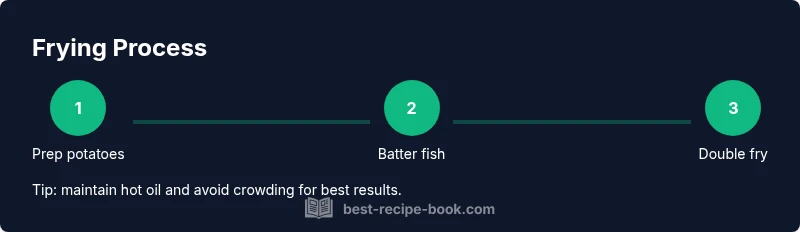
Two-stage frying delivers the signature texture: the first fry cooks the fish and softens the batter; the second fry creates the crisp, golden crust. Start with oil at 325°F (165°C) and fry the fish pieces for 4–5 minutes until pale. Remove and let drain briefly; increase oil temperature to 350–375°F (175–190°C) for the final fry, 2–3 minutes until deeply golden and crisp. Likewise, fry the potato batons in batches, about 4–5 minutes per batch in the first fry, then a quick second fry at higher heat for extra crunch. Drain on a rack, not paper, to preserve crispness. Always monitor oil temperature closely and adjust batches to keep the temperature stable.
Serving with lemon wedges and a tangy tartar sauce or malt vinegar completes the classic experience. If the chips soften after cooling, re-crisp them briefly in a hot oven (425°F/220°C) for 5–7 minutes.
Serving ideas and variations
Pair the fish chips with classic condiments like tartar sauce, malt vinegar, and a squeeze of lemon. For a modern twist, serve with a garlic aioli, spicy ketchup, or a lemon-herb yogurt dip. Try thicker-cut chips or even sweet potato fries for variety. If you prefer a gluten-free option, swap in a gluten-free flour blend and add a pinch of xanthan gum to the batter for better binding. For a more authentic seaside feel, serve with mushy peas in the UK-style tradition, and keep the oil clean between batches to avoid off-flavors from old fat. Finally, consider air-frying as a lighter alternative, though it may reduce the crispness slightly.
Step-by-step overview: prep, batter, fry
Prep potatoes: wash, peel, cut into batons, soak; drain and pat dry. Make the batter: whisk flour, cornstarch, baking powder, salt; gradually add cold beer or sparkling water until the batter coats the back of a spoon. Preheat oil and fry potatoes in batches until light and crisp; drain. Dip fish fillets into the batter and fry until opaque and just cooked; remove and rest. Re-fry fish and potatoes at higher heat for extra crunch, then season immediately and serve hot.
Tools & Materials
- Deep fryer or heavy-bottomed pot(Ensure at least 3-4 inches of oil clearance)
- Thermometer for frying oil(Aim for 325–375°F (165–190°C))
- Slotted spoon or spider skimmer(For lifting fish and chips safely)
- Tongs(Handle hot items without burns)
- Wire rack or paper towels(Drain and rest the fried items)
- Large baking sheet(Hold batch prep and rest periods)
- Chef's knife(For filleting or trimming fish)
- Cutting board(Protect countertops)
- Peeler(Peeling potatoes if desired)
- Mixing bowls (2+)(One for batter, one for dredging)
- Whisk(Mix batter smoothly)
- Measuring cups/spoons(Keep ratios accurate)
- Potatoes (russet)(High starch variety helps crisping)
- White fish fillets (cod/haddock/pollock)(Fresh or well thawed)
- All-purpose flour(Base for dredge and batter)
- Cornstarch (optional)(Adds extra crispness)
- Beer (cold) or sparkling water(For lighter, crisper batter)
- Salt and pepper(Season throughout)
Steps
Estimated time: 60-90 minutes
- 1
Prep potatoes
Wash, peel (optional), and cut potatoes into thick batons. Soak in cold water for 20–30 minutes to remove surface starch, then drain and pat dry thoroughly. This step helps achieve crispier chips during frying.
Tip: Pat chips completely dry; moisture steals crispness. - 2
Dry and season potatoes
Spread the chips on a clean towel and pat dry again. Toss with a light sprinkle of salt for even seasoning before the fry. Room for air circulation helps them dry faster in a clean atmosphere.
Tip: Even coating with a small amount of oil improves browning. - 3
Make batter
In a mixing bowl, whisk together flour, cornstarch (if using), baking powder, and salt. Gradually add the cold beer or sparkling water, whisking just until the batter coats the spoon with a thin, viscous layer.
Tip: Do not overmix; a few small lumps keep the batter light. - 4
Prepare fish
Pat fillets dry; cut into uniform strips. Lightly dust with seasoned flour before dipping in batter to help it cling and form a crisp coat.
Tip: Dry fish thoroughly; moisture makes batter slide. - 5
Heat oil
Fill the fryer or pot with oil, maintaining a depth that allows safe submersion of the chips and fish. Heat to 325°F (165°C) for the initial fry. Use a thermometer to monitor temperature.
Tip: If the oil smokes, lower heat and check for cleanliness. - 6
First fry (potatoes)
Fry potatoes in batches until pale and just tender, about 4–5 minutes. Remove and drain on a rack; let them rest a few minutes before the final fry to ensure crisp texture.
Tip: Avoid overcrowding; temperature drops lead to soggy chips. - 7
Second fry and finish
Raise oil to 350–375°F (175–190°C). Fry fish pieces just until opaque and golden, 2–3 minutes. Re-fry chips quickly for extra crunch, 1–2 minutes more. Drain well and season immediately.
Tip: Keep a close eye on color; fast over-browning harms flavor.
People Also Ask
Can I bake fish and chips instead of frying?
Baking can produce a less crispy texture than frying, but you can achieve acceptable results by using a very hot oven, a light dusting of oil, and a crisp coating. Expect a softer bite and plan to adjust time accordingly.
You can bake it, but expect less crispness; try a hot oven and a light oil spray to help mimic frying.
What oil is best for frying fish chips?
Choose oils with high smoke points such as peanut, canola, or sunflower. These fats maintain stability at frying temperatures and contribute to a clean flavor.
Opt for peanut, canola, or sunflower oil for stability at high heat and clean flavor.
How do I prevent soggy chips?
Dry the potatoes thoroughly and fry in two stages. Keep batches small to avoid temperature drops that soften the chips.
Dry the potatoes and fry in two stages in small batches to stay crispy.
Can I prep the batter ahead of time?
Yes, mix dry ingredients ahead and whisk in cold liquid just before frying. Avoid letting batter sit too long to keep it light.
You can pre-measure dry ingredients and mix with cold liquid just before frying for best results.
What sauces pair well with fish and chips?
Tartar sauce, malt vinegar, lemon wedges, and minty yogurt dip are classic partners. For a twist, try garlic aioli or spicy ketchup.
Tartar sauce, malt vinegar, and lemon are great; you can also try aioli for extra zing.
Why is double frying important?
First fry cooks through the batter while drying the surface; second fry crystallizes the crust for maximum crunch and color.
Double frying creates a crunchy crust and juicy interior by cooking through first, then crisping.
Watch Video
Key Takeaways
- Use high-starch potatoes for crispier chips
- Apply a light batter and dry the fish well
- Fry twice at controlled temperatures for best texture
- Rest on a rack and serve hot for peak quality