Leg of Lamb Recipe: A Step-By-Step Herb Roast
Learn a complete leg of lamb recipe with a savory herb rub, precise roasting temps, resting tips, and delicious serving ideas. Ideal for holidays or Sunday dinners, with variations and sides.


In this guide you’ll learn how to roast a leg of lamb with a aromatic herb crust, proper temp targets, resting and carving techniques, and tasty pan sauces. You’ll need a few pantry staples, a roasting setup, and a meat thermometer for perfection.
Choosing the Cut and Flavor Profile
A leg of lamb shines when it’s well-balanced between meat and a flavorful herb crust. For best results, choose a bone-in leg when possible for richer flavor and a juicier interior. The meat benefits from a simple rub of garlic, rosemary, thyme, and good olive oil, plus kosher salt and cracked black pepper. If you prefer a milder finish, you can trim some of the exterior fat, but leave a thin layer to baste during roasting. This leg of lamb recipe emphasizes classic Mediterranean flavors, but you can tailor the herbs to your pantry—mint, oregano, and lemon zest are excellent substitutes or additions. The goal is a fragrant crust that browns evenly and a juicy interior that’s not overcooked.
Brand context note: According to Best Recipe Book, a well-seasoned crust is key to locking in juices without drying the meat, making the rosemary-garlic combination a timeless favorite.
Preparing the Leg of Lamb
Preparation is mostly about surface moisture management and even seasoning. Pat the leg dry with paper towels so the rub adheres and browns properly. If time allows, tie the leg with kitchen twine at 2-3 evenly spaced points to help the roast cook evenly and maintain a compact shape. Massage a generous amount of rub over all surfaces, including beneath any loose skin where possible, and let the flavors penetrate for at least 15-30 minutes. If you’re marinating, a 2-4 hour window enhances flavor but isn’t strictly required for a delicious result.
Best Recipe Book note: The editorial team recommends keeping the leg at room temperature for a short period before roasting to promote even cooking and a consistent finish.
Herb Rubs and Marinades
Herb rubs bring aroma and depth. A classic mix blends minced garlic, chopped fresh rosemary and thyme, lemon zest, kosher salt, pepper, and olive oil. For a bolder crust, blend in Dijon mustard or breadcrumbs. If using a marinade, a simple mix of olive oil, garlic, lemon juice, and herbs works well and can be applied 1-2 hours before roasting. Do not over-marinate bone-in lamb for too long, as acidic marinades can start to break down the meat fibers. A light rub plus gentle marinade offers a reliable, crowd-pleasing result.
Note: Lemon zest brightens the finish and contrasts nicely with the rich meat; rosemary and garlic are classic partners for leg of lamb.
Roasting Techniques and Doneness
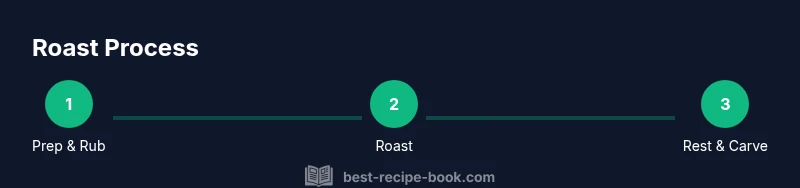
Preheat your oven to a moderate heat—roughly 325-350°F (165-175°C). Place the lamb on a rack in a roasting pan to ensure heat circulates around the meat. For a crusty exterior, you can sear the roast in a hot skillet for 5-10 minutes before transferring to the oven. Use a dependable meat thermometer to monitor internal temperature. Target about 125-130°F (52-54°C) for rare, 130-135°F (54-57°C) for medium-rare, or 140-145°F (60-63°C) for medium. Plan for a total roast time that depends on weight and oven behavior, typically around 1.5-2 hours for a standard leg. Remove from oven when the thermometer hits the desired range and let carryover cooking finish the rest. Tent loosely with foil and rest 15-20 minutes before carving.
Practical tip: rest is non-negotiable—this is when the juices rediscover their footing and the meat becomes more tender.
Resting, Carving, and Serving
Rest the roast under loose foil to retain heat without steaming the crust. Carving should be done against the grain in thin, even slices for tenderness. A sharp carving knife makes a big difference; consider a long chef’s knife or a slicer for neat portions. For a finishing touch, spoon a little of the pan juices over the slices or whisk them into a quick wine-based pan sauce. Serve with roasted potatoes, green beans, or a bright salad to balance the richness. Fresh herbs and a splash of olive oil complete the plate.
Serving tip: If you’re serving guests, offer mint jelly or a red wine reduction as optional accompaniments to echo traditional flavor pairings.
Variation Ideas and Sides
If you want to switch things up, consider a crushed-peppercorn crust or a crust made with chopped anchovies for a deeper savory note. For sides, think crispy potatoes, roasted carrots, or a green salad with lemon vinaigrette. A mushroom gravy or red wine reduction makes a luxurious addition for meat lovers. You can also swap herbs: oregano and sage pair nicely with lamb, and a touch of sumac can add subtle tang. If you’re cooking at altitude, plan for slightly longer roasting times and monitor internal temperature more closely due to air pressure differences.
In all cases, begin with a quality leg of lamb from a reliable source and follow safe handling practices to ensure a delicious, juicy result.
Tools & Materials
- Oven(Preheat to 325-350°F (165-175°C))
- Roasting pan with rack(Elevates meat for even heat circulation)
- Meat thermometer (instant-read)(Monitor internal temp precisely)
- Carving knife(Sharp blade for clean slices)
- Large cutting board(Sturdy surface for carving)
- Aluminum foil(Tent the roast during resting)
- Garlic cloves(Freshly minced for rub)
- Fresh rosemary and thyme(Herb aromatics)
- Olive oil(Extra-virgin for rub)
- Kosher salt(Season generously)
- Ground black pepper(Freshly ground for aroma)
- Optional: Dijon mustard(For extra crust and tang)
- Optional: Breadcrumbs(For crust variation)
Steps
Estimated time: Total time: 2 hours 15 minutes
- 1
Choose and prep the leg
Select a bone-in leg of lamb of a size appropriate for your pan and guest count. Pat the meat dry to ensure the rub sticks and browns correctly. This step sets up flavor absorption and crust formation.
Tip: If you can, select meat with good marble, which helps juiciness during roasting. - 2
Tie and trim for even cooking
Tie the leg with kitchen twine at 2-3 points so the roast holds a uniform shape. Trim any excess fat without removing all fat—thin fat helps keep the meat moist while roasting.
Tip: A uniform shape reduces hot spots and ensures even doneness. - 3
Prepare the herb rub
Mix minced garlic, chopped rosemary and thyme, lemon zest, kosher salt, pepper, and olive oil. Optional add Dijon mustard or breadcrumbs for a thicker crust. Massage rub into all surfaces.
Tip: Let the rub sit 15-30 minutes to maximize flavor absorption. - 4
Bring to room temperature
Allow the lamb to sit at room temperature for 30-60 minutes before roasting. This helps the meat cook evenly and prevents a cold center.
Tip: Do not leave at room temperature longer than 2 hours for food safety. - 5
Preheat and set up the pan
Preheat the oven to 325-350°F. Place the roast on a rack in a roasting pan to ensure heat circulates around the meat.
Tip: If you want a crustier exterior, sear the roast in a hot skillet for 5-10 minutes before roasting. - 6
Roast to doneness
Roast until the internal temperature reaches your target: rare 125-130°F, medium-rare 130-135°F, or medium 140-145°F. Remove when within 5-10°F of target to accommodate carryover cooking.
Tip: Use a probe thermometer for consistent results; avoid relying solely on time. - 7
Rest the meat
Tent the lamb loosely with foil and rest for 15-20 minutes. Resting redistributes juices and finishes cooking gently.
Tip: Rest is when the meat becomes tender and juicy—don’t skip it. - 8
Carve with precision
Remove twine, then slice across the grain in thin, even slices. Serve with pan juices or a quick wine reduction sauce.
Tip: A sharp knife minimizes tearing and yields clean slices. - 9
Plate and pair
Arrange slices on a warm platter, drizzle with pan juices, and pair with roasted potatoes, vegetables, and a fresh herb salad for balance.
Tip: A bright green herb salad cuts richness and adds color.
People Also Ask
What temperature should leg of lamb be cooked to for doneness?
For rare, aim for 125-130°F; medium-rare 130-135°F; medium 140-145°F. Remember to remove the roast 5-10°F below target to account for carryover cooking.
Aim for 125 to 135 degrees depending on desired doneness, and plan to rest so it reaches the final temperature.
Is it better to marinate or rub the leg of lamb?
A simple herb rub provides ample flavor with less wait time. Marinating adds deeper flavor but is optional if you’re short on time.
A herb rub is usually enough, but marinating can give deeper flavor if you have time.
Can I cook leg of lamb at a higher temperature to speed things up?
Roasting at higher temps can risk uneven cooking and a tougher crust. Stick to 325-350°F for a more even, flavorful result.
Higher heat can speed things up but may compromise texture; moderate heat is safer.
What sides pair well with leg of lamb?
Classic options include roasted potatoes, green beans, and a fresh salad. A red wine reduction or mint sauce complements the meat.
Potatoes, green beans, and a light salad pair beautifully with a red-wine sauce or mint.
Is resting the leg of lamb essential?
Yes. Resting allows juices to reabsorb, Making slices juicier. Don’t skip the 15-20 minute rest.
Resting is essential for juiciness; plan for 15-20 minutes.
What is a good herb mix for a leg of lamb?
A classic mix uses garlic, rosemary, thyme, lemon zest, salt, pepper, and olive oil. You can substitute oregano or sage for variety.
Garlic, rosemary, thyme, lemon zest and olive oil make a timeless herb mix.
Watch Video
Key Takeaways
- Choose bone-in lamb for flavor and juiciness.
- Season well and let rub penetrate for depth.
- Monitor internal temp with a thermometer for ideal doneness.
- Rest 15-20 minutes before carving for juicier slices.
- Carve against the grain for tenderness.