Pulled Pork Sandwich: Step-by-Step Tender BBQ Guide
Master a mouthwatering pulled pork sandwich with a chef-approved, step-by-step method: choose the cut, apply a simple rub, slow-cook to tenderness, shred, and stack with slaw and sauce for crowd-pleasing results.


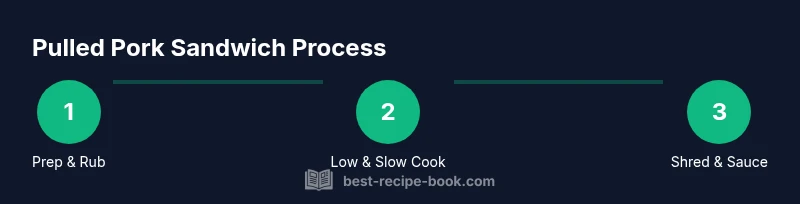
You will learn to prepare a mouthwatering pulled pork sandwich by selecting the right pork cut, applying a simple dry rub, slow-cooking until tender, shredding, and assembling with tangy sauce and coleslaw. This guide covers equipment, timing, safety, storage, and serving ideas. You'll learn how to rest meat for juiciness, how to make a quick finishing glaze, and how to scale the recipe for crowds.
Why a Pulled Pork Sandwich Wins for Any Occasion
A pulled pork sandwich delivers a comforting, smoky-sweet experience with a texture that shines when the meat is tender enough to pull apart in strands. According to Best Recipe Book, the right pork shoulder becomes almost shopping-for-a-hug soft after low-and-slow cooking, which makes shredding effortless and mouthwatering. The beauty of this sandwich is its versatility: you can dress it up with a tangy vinegar-based sauce, a creamy mustard glaze, or a bright, crunchy slaw. For home cooks and kitchen enthusiasts, mastering this dish means you can serve a dinner that feels special without complicated techniques. Plan around a few core steps—selection, seasoning, and slow cooking—and the rest falls into place, producing a sandwich that’s as satisfying on a weeknight as it is at a weekend gathering.
Remember: the goal is juicy, pull-apart meat with bold flavor that doesn’t overwhelm the bun. The balance of meat, sauce, and slaw matters more than any single component. Use this guide to build confidence, then experiment with toppings and buns to match your personal taste and your guests’ preferences.
Tip from the Best Recipe Book team: start with a well-marinated pork shoulder and give yourself ample time for resting the meat after cooking for maximum juiciness.
Tools & Materials
- pork shoulder (bone-in or boneless, about 4–8 pounds)(Boneless is easier to shred; bone-in adds flavor. Trim excess fat but leave a thin fat cap for moisture.)
- dry rub spices (paprika, brown sugar, salt, pepper, garlic powder, onion powder, chili powder)(Adjust ratios to taste; prepare rub a day ahead for deeper flavor.)
- heavy pot with tight-fitting lid or slow cooker(A Dutch oven works well for oven braises.)
- meat thermometer(Target internal 190–205°F (88–96°C) for shreddable meat.)
- aluminum foil or butcher paper(Used to wrap during long cooks to trap moisture.)
- tongs and forks(For transferring and shredding the meat.)
- buns (soft sandwich buns) and optional coleslaw(Choose brioche, potato rolls, or Kaiser depending on preference.)
- slaw and sauces (vinegar-based, mustard-based, or BBQ sauce)(Have at least one tangy option and a sweet BBQ option.)
- optional finishing glaze (honey, vinegar, and hot sauce)(Brush onto meat during final stage for gloss and extra zing.)
Steps
Estimated time: 6-12 hours total
- 1
Choose pork cut and prepare rub
Select a pork shoulder (bone-in for flavor, boneless for ease). Mix a balanced rub using paprika, brown sugar, salt, pepper, garlic powder, onion powder, and a touch of chili powder. Massage the rub evenly over the meat and let it rest for at least 30 minutes, or up to 24 hours in the fridge for deeper flavor.
Tip: A longer rest time helps the rub penetrate; keep refrigerated if waiting longer than 2 hours. - 2
Pat dry and preheat
Pat the pork dry with paper towels to ensure the rub sticks and the surface browns properly. Preheat your oven to a low temperature (about 250–275°F / 120–135°C) or set your smoker to a similar range for even cooking.
Tip: Dry surfaces promote better crust formation and flavor development. - 3
Sear the meat (optional but beneficial)
Sear the rubbed pork on all sides in a hot pan or tented Dutch oven for 8–10 minutes to develop a flavorful crust before slow cooking.
Tip: Searing is optional but adds a richer depth to the final texture. - 4
Slow-cook until tender
Transfer to the oven, slow cooker, or smoker and cook until the meat shreds easily, typically 6–12 hours depending on thickness and method. Check temperature midway and add liquid if the pan looks dry to keep moisture.
Tip: Wrap with foil or butcher paper to trap moisture and prevent drying. - 5
Rest and shred
Let the meat rest for 20–30 minutes after cooking, then shred with two forks. Remove large chunks of fat and keep the juicy meat in shreds for easy saucing and stacking.
Tip: Resting preserves juices and prevents dripping when shredding. - 6
Make finishing sauce or glaze
Deglaze the pan juices if needed and whisk in a finishing sauce (vinegar-based, mustard-based, or BBQ) to coat the meat just before serving.
Tip: Lightly coat rather than oversaturate to avoid soggy buns. - 7
Prepare the slaw and buns
Toss shredded cabbage with a tangy dressing (vinaigrette or yogurt-based) and toast buns lightly to add structure and warmth.
Tip: Toast buns last to prevent sogginess from the meat’s moisture. - 8
Assemble and serve
Pile warm shredded pork onto buns, top with sauce and slaw, and slice. Serve immediately for best texture and aroma.
Tip: Offer extra sauce on the side for guests who want more punch.
People Also Ask
What cut of pork is best for pulled pork?
Pork shoulder (also called Boston butt) is ideal due to its fat content and connective tissue, which break down during slow cooking. Bone-in adds flavor, while boneless is easier to shred.
Pork shoulder is the best choice for pulled pork due to its balance of fat and connective tissue.
Can I make pulled pork in a slow cooker?
Yes. Slow cookers are excellent for low-temperature, hands-off cooking. Sear first for depth, then transfer to the slow cooker with a small amount of liquid and cook until shreddable.
Absolutely—a slow cooker works great for pulled pork, especially if you want hands-off cooking.
How long does it take to cook pulled pork?
Total time varies by method and size, but plan for 6–12 hours in the oven or slow cooker at low heat, plus resting time. Use a thermometer to know when it’s tender.
Typically, you’ll need about six to twelve hours of slow cooking, depending on the method and thickness of the meat.
Should I wrap the pork during cooking?
Wrapping (foil or butcher paper) helps retain moisture and speeds tenderness, especially in longer cooks. Unwrap briefly near the end to tighten the bark if you want more crust.
Wrapping helps keep moisture and tenderness; unwrap near the end if you want extra crust.
What type of sauce best complements pulled pork?
A tangy sauce—such as vinegar-based or mustard-based—brightens the rich meat. A sweet BBQ glaze can be added for a glossy finish, but balance is key to avoid overpowering the pork.
A tangy sauce pairs beautifully with the pork and adds brightness to each bite.
Can I freeze pulled pork for later?
Pulled pork freezes well when stored in airtight containers or freezer bags. Thaw in the fridge and reheat gently with a splash of liquid to restore moisture.
Yes, you can freeze pulled pork and reheat later for quick meals.
Watch Video
Key Takeaways
- Shredded pork = juicy, versatile base
- Low-and-slow cooking is the key to tenderness
- Balance meat, sauce, and slaw for the perfect bite
- Resting meat improves juiciness and flavor