The Ultimate Boston Butt Recipe: Step-by-Step Pulled Pork
Master a tender, juicy pulled pork from Boston butt with a trusted, step-by-step method. Learn trimming, rubs, cooking options (smoke, roast, slow cooker), resting, and storage for crowd-pleasing meals.


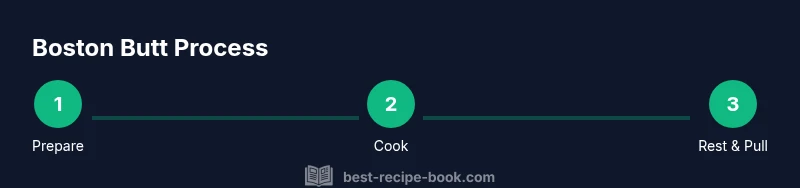
In this recipe boston butt guide, you’ll turn a Boston butt into tender, pull-apart pork with a reliable method you can adapt to your equipment. You’ll trim, season, and cook using smoker, oven, or slow cooker options, then rest and shred for sandwiches or meals. This quick answer outlines the essential steps and safety notes to get great results.
Why Mastering a Boston Butt Recipe Matters
For home cooks, a well-executed recipe boston butt yields flavorful, versatile meat that shines in sandwiches, bowls, and family dinners. The Boston butt (also known as pork shoulder) is forgiving, thanks to its connective tissue that breaks down into meltingly tender pork when cooked low and slow. In this guide, you’ll learn how trimming, seasoning, timing, and resting all contribute to reliable results. According to Best Recipe Book, a thoughtful approach reduces guesswork and helps you reproduce a perfect bark and juicy interior every time. This is especially useful for large gatherings or meal-prep, where you want a consistent product across servings.
Choosing the Right Cut and Prep
Start with a well-marbled Boston butt that weighs 6 to 10 pounds for most home cooks. Look for bright pink flesh, firm fat cap, and even muscle distribution. If the fat layer is very thick, you can trim a little to reduce greasing, but avoid over-trimming, which can dry the meat. Before applying any rub, pat the surface dry; moisture on the surface makes it harder for bark to form. Use this recipe boston butt as a basis for your own flavor profile by choosing a robust rub and practicing even application.
Tools & Materials
- Meat thermometer(digital instant-read preferred)
- Aluminum foil(heavy-duty or two-layer)
- Roasting pan with rack(for oven methods)
- Mixing bowls(for rubs and brines)
- Sharp chef's knife(8-inch or larger)
- Butcher's twine(for trussing if desired)
- Spray bottle(for moisture spritz)
- Wood chips or chunks (optional)(for smoker flavor)
- Towel or heat-resistant gloves(for handling hot meat)
Steps
Estimated time: Total time: 6-10 hours
- 1
Gather ingredients
Collect the pork shoulder, rub components, thermometer, foil, pans, knives, and any optional brine or injection supplies. Clear a clean workspace so you can work efficiently and reduce the risk of cross-contamination.
Tip: Lay out everything on a tray at eye level to avoid missing items. - 2
Trim fat and pat dry
Trim the thick fat cap to about 1/4 inch, leaving enough fat to baste the meat as it renders. Pat the surface dry to promote rub adherence and to help form a nice bark.
Tip: Use a sharp knife and work slowly to avoid cutting into the meat. - 3
Apply rub
Massage a balanced rub onto all surfaces, pressing it into the meat so it adheres well. For extra flavor, apply a light coat of oil or mustard as a binder before the rub.
Tip: Let the rubbed meat rest in the fridge for at least 1 hour, ideally overnight, to deepen flavor. - 4
Preheat cooking environment
Preheat your smoker to 225–250°F (107–121°C) or set your oven to a similar low temperature. Position the meat fat-side up to aid self-basting as it renders.
Tip: Keep the door closed as much as possible to stabilize heat and smoke development. - 5
Cook to target temperature
Place the pork on the rack or directly in the smoker and cook until the internal temperature reaches 195–205°F (90–96°C). Expect several hours depending on size and method; wrap in foil or butcher paper if the bark forms too early or to finish tenderization.
Tip: Use a probe thermometer for intermittent checks rather than a method that pierces the meat repeatedly. - 6
Rest and pull
Remove from heat and rest, covered loosely with foil, for 20–60 minutes. Then, shred using forks or clean hands; the meat should pull apart easily due to collagen breakdown.
Tip: Resting time is crucial for juiciness; longer rests can improve texture. - 7
Serve and store
Serve on buns with slaw, or pair with sides like beans and cornbread. Refrigerate leftovers within two hours and use within 3–4 days, or freeze for longer storage.
Tip: Cool leftovers quickly and reheat with moisture to avoid drying out.
People Also Ask
What is a Boston butt?
A Boston butt is a cut from the pork shoulder that contains connective tissue. It shines when cooked slowly, which breaks down the collagen into tender, juicy meat ideal for pulled pork. The term is a misnomer from butchers, not the butt of the animal.
The Boston butt is a pork shoulder cut great for pulled pork because it becomes tender when cooked slowly.
What internal temperature should I reach for pulled pork?
Aim for an internal temperature around 195–205°F (90–96°C). This range allows connective tissue to render fully, giving you tender, shreddable meat.
For pulled pork, cook until about 195 to 205 degrees Fahrenheit so it pulls apart easily.
Can I use a slow cooker for a Boston butt?
Yes. The slow cooker is convenient and will yield tender pork, though you may lose some bark and smoky flavor. Plan for longer cooking times and a looser bark.
A slow cooker works, but you’ll miss some bark and smoke flavor.
Should I brine the Boston butt before cooking?
Brining can improve juiciness, especially for larger cuts. If you don’t brine, a well-applied rub and proper rest can still deliver excellent results.
Brining helps moisture, but it isn't mandatory if you season well.
How long does it take to cook a Boston butt?
Cook time varies with weight and method; plan for several hours. Start early and rely on internal temperature rather than time alone to decide when it’s done.
Timing varies; use temperature as your guide rather than a fixed hour count.
How should I store and reheat leftovers?
Cool leftovers quickly, refrigerate within two hours, and use within 3–4 days. Reheat with a splash of broth to re-moisten the meat.
Store quickly and reheat gently with moisture.
Watch Video
Key Takeaways
- Plan your cooking method early to fit equipment.
- Season generously and apply rub evenly.
- Monitor internal temperature with a probe thermometer.
- Rest the meat before shredding for juicier results.
- Store leftovers promptly to maximize freshness.