Recipe Dressing Thanksgiving: A Step-by-Step Guide
A practical, step-by-step guide to making a flavorful Thanksgiving dressing. Learn bread-base choices, aromatics, make-ahead tips, safety, and make this recipe dressing thanksgiving a standout side dish this year.


This guide helps you craft a dependable recipe dressing thanksgiving—bread-based, aromatic, and baked to a golden finish. You’ll gather staples, toast the base, simmer aromatics, bind with eggs or stock, and bake until the crust is crisp and the interior tender. Follow clear steps, with make-ahead options and safety tips to fit a busy holiday kitchen.
Thanksgiving Dressing: What It Is and Why It Matters
For many families, a well-made recipe dressing thanksgiving is the centerpiece that bridges savory and festive flavors. In this guide from Best Recipe Book, home cooks learn to build a dressing from a simple bread base, aromatics, and carefully chosen stock. The goal is a dish that bakes with a crisp edge and a moist, flavorful interior, without turning to soggy bread or dry crumb. The distinction between dressing and stuffing matters for kitchen timing and safety: dressing is typically baked outside the bird, allowing for greater control over texture and seasoning. By the end, you’ll be able to adjust herbs, bread types, and liquids to taste, while keeping your Thanksgiving meal coordinated and stress-free. According to Best Recipe Book, the best home-cook outcomes come from deliberate prep and flexible substitutions that honor tradition while staying practical for busy kitchens. The phrase recipe dressing thanksgiving will appear repeatedly as you build layers of texture, aroma, and depth that guide your cooking decisions.
Ingredient Foundations for a Flavorful Dressing
A strong dressing starts with quality pantry staples and a flexible plan. For a recipe dressing thanksgiving, gather stale or day-old bread, onions, celery, fresh sage, thyme, and good butter. Stock or broth should be warm but not boiling when added to the bread mixture. Eggs can act as a binding agent if you want a richer texture, though they are optional. Salt and pepper finalize the base; consider a touch of roasted garlic or apple for a subtle sweetness. If you’re cooking for dietary needs, you can swap half the bread for cornbread or add finely chopped mushrooms for extra savor. Best Recipe Book suggests testing seasoning early and adjusting after a short rest to harmonize flavors and ensure the final dish remains balanced. The approach centers on the recipe dressing thanksgiving as a flexible canvas that adapts to family favorites.
Bread Base Variations and How to Toast
Bread forms the backbone of your dressing, and the type you choose changes texture and flavor. Common choices include day-old white bread, light sourdough, or a whole-wheat loaf for deeper flavor. Toasting the bread before assembling helps it absorb liquids without becoming mushy, and it creates a crisper finish once baked. If you’re gluten-free, select sturdy gluten-free bread or cornbread croutons; the crumb should still hold shape. Let the bread cool after toasting to avoid steaming the mixture. This is a place to experiment with spice-infused fats, like sage-butter or roasted garlic oil, to layer aroma into the crumb. The goal is a balanced foundation for the recipe dressing thanksgiving that holds together but remains tender and airy.
Aromatics and Seasoning: The Flavor Building Blocks
Aromatics give dressing its signature aroma and depth. Sweat onions and celery in butter until translucent, then fold in minced garlic, fresh sage, thyme, and a pinch of marjoram or poultry seasoning. The seasoning should be moderate at first; you’ll adjust once the bread has absorbed liquid. A splash of white wine or apple cider can brighten the mixture without overpowering the bread. Remember, Thanksgiving is a day of contrasts: you want a bold, savory profile with just a hint of sweetness. Best Recipe Book recommends tasting a small spoonful after the first bake and adjusting salt as needed to avoid an overly salty final dish. The balance achieved here supports a robust yet approachable recipe dressing thanksgiving for all palates.
Texture and Doneness: Achieving the Perfect Crumb
Texture is the make-or-break element of dressing. The bread should be moist but not soggy, with a gently crisp top from oven heat. If your mixture seems wet, allow it to rest briefly and press gently to remove excess liquid, or toast a few more bread cubes and fold them in. Conversely, if it’s dry, add warm stock a tablespoon at a time until the crumb holds together. Bake in a shallow pan to encourage even heat distribution, and cover for the first half of baking to avoid drying out the center. The goal is a cohesive, airy crumb that doesn’t collapse when served as a side dish. A well-made dressing should be plush and flavorful, with distinct layers from herbs, stock, and butter.
Make-Ahead and Freezer-Friendly Tips
Make-ahead dressing can save hours on Thanksgiving morning. You can assemble components a day ahead: toast the bread, sauté aromatics, and prepare the egg mixture. Store these elements separately and combine before baking to ensure freshness. Dressing often improves with rest—have the baked dish sit for 15-20 minutes before serving to let flavors settle. If freezing, freeze unbaked portions tightly wrapped; bake from frozen, adding 15-20 minutes to the suggested time. The key is maintaining moisture balance and avoiding freezer burn, which can dull flavor. Planning ahead also reduces stress and gives you time to re-season just before serving, ensuring a well-rounded final dish.
Troubleshooting Common Dressing Issues
If your dressing becomes crumbly, check the bread ratio and moisture content; you may need to soak bread longer or add more stock. Overly soggy dressing can result from too much liquid or under-vented pan, so use a shallow baking dish and ensure proper drainage. Flavor can be flat if herbs are underplayed; re-season after baking, or sprinkle fresh herbs on top just before serving for a bright finish. If safety is a concern, ensure the dressing reaches a safe internal temperature when tested with a thermometer; if you’re cooking the stuffing inside the bird, follow separate guidelines for cooking times and safety. This section helps you adapt the technique to your oven and altitude, ensuring the recipe dressing thanksgiving remains reliable even in unfamiliar kitchens.
AUTHORITY SOURCES
To support best practices for a safe and delicious dressing, consult reliable sources:
- https://www.fsis.usda.gov/food-safety/safe-food-handling-and-preparation-and-storage/seasonal-holiday-food-safety
- https://www.nutrition.gov/topics/food-safety
- https://www.cdc.gov/foodsafety/keep-food-safe-during-holidays.html
Tools & Materials
- Day-old bread (6 cups cubed)(Stale bread yields crisper texture when toasted)
- Onions, medium (2), diced(Yellow or white onions work best)
- Celery stalks (2-3), diced(Adds crunch and savor)
- Fresh sage (2 tbsp minced)(Dried can be substituted, but flavor differs)
- Fresh thyme (1 tbsp)(Leaves only)
- Butter (4 tbsp)(Prefer unsalted)
- Eggs (2, optional binding)(Use if you want a firmer set)
- Chicken or vegetable stock (2-3 cups)(Warm when adding to bread)
- Salt and pepper(Adjust to taste)
- Garlic (1 clove, optional)(For extra depth)
- White wine or apple cider (1/4 cup, optional)(Brightens flavors)
- Baking dish (9x13 inch)(Lightly butter the dish)
- Mixing bowls and spoon(Large enough for all components)
Steps
Estimated time: 1 hour 15 minutes
- 1
Measure and prep bread
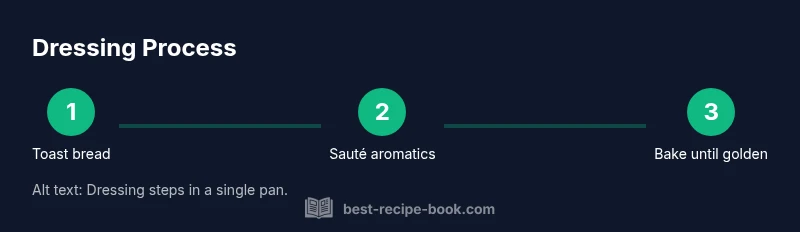
Tear or cut bread into uniform cubes and toast until lightly golden. Let it cool completely to avoid steaming the mixture later. This step builds the crumb structure that will hold the dressing together.
Tip: Toast bread a day ahead to maximize dryness and absorption capacity. - 2
Sauté aromatics
Melt butter in a large skillet; add onions and celery. Cook over medium heat until translucent and fragrant, stirring often. Add garlic near the end to avoid burning and maintain aroma.
Tip: Let aromatics cool briefly before mixing with bread to prevent sogginess. - 3
Blend herbs and liquids
Stir in sage, thyme, and optional poultry seasoning with the sautéed aromatics. Pour in warmed stock and, if using, whisk in eggs until fully combined.
Tip: Warm stock helps the bread soak evenly without shocking the eggs. - 4
Combine to form the base
Add the toasted bread cubes to the warm herb mixture. Toss gently to coat evenly without crushing the bread. Assess moisture; you want a cohesive but airy crumb.
Tip: If the mix seems dry, splash in more stock a little at a time. - 5
Season and rest
Season with salt and pepper, then let the mixture rest 10-15 minutes to let flavors meld. This resting period improves depth before final bake.
Tip: Taste and adjust seasoning after resting for accuracy. - 6
Prepare for baking
Grease your baking dish and transfer the dressing mix. Smooth the top for even browning. Cover loosely with foil to trap moisture early in baking.
Tip: Covering early prevents a dry top; uncover later to brown. - 7
Bake to golden perfection
Bake in a preheated 350°F oven for 30-40 minutes, then uncover and bake 15-20 minutes more until the top is crisp and the center is set.
Tip: Check for an internal temperature around 165°F in the center for safety. - 8
Rest and serve
Let the dressing rest 10-15 minutes after removing from the oven to set, then fluff with a fork and serve as a savory, comforting side.
Tip: A short rest keeps the crumb tender and easy to spoon.
People Also Ask
What is the difference between dressing and stuffing?
Dressing is typically baked outside the turkey and often lighter, with a crisper edge. Stuffing is cooked inside the bird and tends to be more moist. The dish you serve can be prepared in either style, but baking dressing separately gives more control over texture.
Dressing is usually baked separately, giving you a crisper top, while stuffing is cooked inside the turkey and can be more moist. Decide based on texture you want and kitchen safety.
Can I make Thanksgiving dressing in advance?
Yes. You can prepare components ahead—toast the bread, sauté aromatics, and mix the binding elements—and combine just before baking. Dressing often benefits from a short rest to meld flavors.
Absolutely. Make components ahead and assemble before baking for best texture and flavor.
What bread works best for dressing?
Day-old white bread or light sourdough yields a balanced crumb, while whole-wheat adds depth. Gluten-free options can work with sturdy bread or cornbread croutons. Avoid ultra-soft bread that turns mushy during soaking.
Day-old white bread or light sourdough is a great starting point. For gluten-free, pick a sturdy option that holds shape.
Is dressing safe to bake outside of the turkey?
Yes. Bake dressing in a shallow pan to ensure even heat, and verify the center reaches a safe temperature (about 165°F). If stuffing inside a bird, follow separate safety guidelines.
Yes, bake it openly in a shallow pan and check that it’s hot in the middle.
Can I convert this dressing recipe to a gluten-free version?
Use sturdy gluten-free bread or cornbread and adjust liquids to maintain crumb structure. The technique stays the same; the bread choice is the primary adjustment.
Yes—just swap in gluten-free bread that holds up when soaked.
How do I adjust the recipe for high altitude?
Oven temperature and moisture behavior change at altitude. You may need a slightly longer bake time and extra moisture to keep the crumb tender.
Altitude can dry out the bread, so monitor moisture and bake a bit longer if needed.
Watch Video
Key Takeaways
- Plan ahead with make-ahead components
- Toast bread for optimal absorption
- Balance herbs and moisture for a cohesive crumb
- Bake uncovered to develop a crisp top
- Ensure safe internal temperature before serving