Beef Tips and Noodles: Your Step-by-Step Recipe
Learn how to make beef tips and noodles with a clear, methodical approach. This guide covers ingredients, techniques, timing, variations, and safety tips to help home cooks achieve a glossy sauce and tender beef every time.


You're about to master a recipe beef tips and noodles that delivers tender, savory beef tips with glossy noodles in one-pan. The guide covers mise en place, browning, deglazing, simmering, and finishing with bright herbs. You'll learn practical substitutions, timing cues, and how to adapt the dish for larger meals, leftovers, or pantry-friendly variations.
Why this recipe beef tips and noodles works
Beef tips and noodles deliver a comforting, restaurant-worthy weeknight dinner with everyday ingredients. The recipe beef tips and noodles relies on a quick browning of bite-sized beef, a deeply flavored sauce, and noodles that finish soaking up the sauce. The method keeps ingredients simple and flexible, so you can tailor this dish to your pantry. According to Best Recipe Book, mastering balance between savory beef, umami-rich sauce, and al dente noodles yields the most satisfying bite. This approach suits busy cooks who want a dependable, scalable dish that rewards careful timing and technique. You’ll notice three core elements: browning to develop fond, a sauce that carries flavor without overpowering the pasta, and pasta that holds onto the sauce rather than clinging to a slick glaze. By respecting these elements, you can adjust protein, spice level, or starch to create variations that still feel cohesive and delicious. The guidance here is designed for home cooks who want practical, repeatable results rather than fancy techniques that require specialized equipment.
Core ingredients and substitutions
- Beef tips (sirloin, chuck), 1–1.5 pounds (450–680 g), cut into 1-inch pieces
- Noodles: egg noodles, fettuccine, or pappardelle, 8 oz (225 g)
- Onion: 1 medium, thinly sliced
- Garlic: 3 cloves, minced
- Beef broth: 1 cup (240 ml)
- Soy sauce: 2–3 tablespoons
- Worcestershire sauce: 1 tablespoon
- Tomato paste: 1 tablespoon (optional for color and depth)
- Cornstarch and water: 1–2 tablespoons slurry
- Olive oil or neutral oil: 1–2 tablespoons
- Fresh herbs: parsley or chives, chopped
- Salt and pepper: to taste
- Optional add-ins: mushrooms, bell peppers, peas, or kale
- Optional heat: red pepper flakes
Tips: choose beef cuts with some marbling for tenderness; if you only have stew meat, cut larger to balance cooking time. For gluten-free meals, swap in gluten-free noodles and use tamari or GF soy sauce.
Searing the beef tips: building flavor
The foundation of flavor in this dish is a proper sear. Ensure the beef tips are patted dry, then season generously with salt and pepper. Heat a heavy skillet over medium-high heat and add a thin coating of oil. Place the beef in a single layer without crowding; let it sit until a rich brown crust forms before turning. That crust creates fond, the browned bits that will dissolve into the sauce and deepen taste. If the pan starts to steam instead of sear, work in batches. Browning in stages yields more complex flavor than dumping all the meat in at once. Pro tip: resist the urge to move the meat too soon; patience is what unlocks color and depth.
Crafting the sauce and noodles
With the beef seared, lower the heat slightly and add aromatics such as sliced onions and minced garlic. Stir to release their perfume without burning. Deglaze the pan with beef broth and soy sauce, scraping up the fond from the bottom to form a glossy foundation. If using tomato paste, whisk it in now for color and depth. Stir in a light slurry of cornstarch and water to thicken the sauce to a coating consistency that clings to both beef and noodles. Simmer briefly to meld flavors, tasting and adjusting salt, pepper, and a touch of acidity if needed. Meanwhile, cook the noodles in salted water until al dente, then drain. The noodles should be ready to accept the sauce the moment it finishes.
Cooking timeline: coordinating meat and pasta
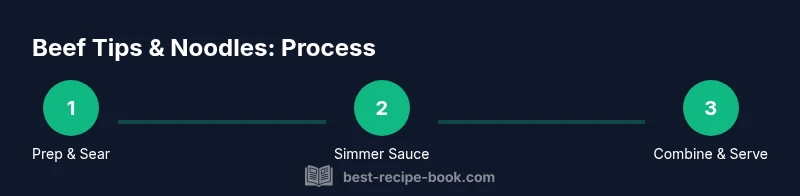
Timing is everything when coordinating beef and noodles. After browning, simmer the beef in the sauce for 6–8 minutes until tender, watching for signs of overcooking. While the beef finishes, keep an eye on the noodles and remove them just shy of the package recommendation so they finish in the sauce. Drain and reserve a splash of the noodle water to loosen the sauce if it thickens too much. Return the noodles to the pan, toss to coat, and finish with chopped herbs. Taste for balance and add a final pinch of salt or a few drops of soy if needed. Rest the dish for a minute so the sauce thickens slightly and flavors settle.
Variations and substitutions
This recipe is highly adaptable. For a heartier version, add mushrooms or bell peppers during the aromatics step. Swap in different noodle shapes to change mouthfeel—flat noodles for a saucier bite, or thin rice noodles for a lighter texture. For a lighter option, use leaner beef cuts and less oil, or increase the amount of broth and reduce the sauce with less cornstarch. If you’re avoiding soy, try tamari or coconut aminos as a substitute. For spice lovers, finish with a pinch of chili paste or red pepper flakes.
Meal planning and batching
When you want to meal-prep, cook the beef and noodles separately and store them in airtight containers. Reheat gently in a skillet with a splash of broth or water to reincorporate the sauce. The sauce can be made ahead and stored in the fridge for 1–2 days, then reheated and tossed with fresh noodles for convenience. Fresh herbs should be added at serving to keep their brightness, but you can also freeze portions for longer storage. This approach helps busy families enjoy a satisfying dish with minimal on-the-day effort.
Authority sources and safety considerations
For further guidance on safe cooking practices, consult authoritative resources such as the U.S. Food and Drug Administration (FDA) and the Centers for Disease Control and Prevention (CDC) on food safety. Always ensure beef reaches a safe internal temperature and refrigerate leftovers promptly. Reliable information can be found at: https://www.fda.gov/food and https://www.cdc.gov/foodsafety. Additionally, general food-safety best practices are outlined by international health authorities such as the World Health Organization: https://www.who.int/foodsafety. These sources support the cooking principles outlined here and help you adapt recipes safely for your kitchen.
Tools & Materials
- Skillet (12-inch, heavy-bottom)(Even heating; prefer a cast-iron or stainless steel pan)
- Sharp knife(For cleanly slicing beef and vegetables)
- Cutting board(Stable surface; separate board for meat and vegetables)
- Measuring spoons and cups(Accurate seasoning)
- Tongs(For turning beef without breaking crust)
- Wooden spoon or spatula(To stir without scratching the pan)
- Colander or sieve(Draining noodles)
- Mixing bowls(Prep station for ingredients)
Steps
Estimated time: 30-40 minutes
- 1
Gather and prep ingredients
Collect all ingredients and prep by trimming fat, slicing onions, mincing garlic, and cutting beef into 1-inch pieces. Having everything prepped reduces on-pan time and keeps the workflow smooth.
Tip: Place spices and sauces within arm's reach before you start. - 2
Sear the beef tips
Pat the beef dry, season well, and sear in a hot pan in batches until deeply browned on all sides. Do not overcrowd the pan; this ensures proper Maillard browning.
Tip: Let the meat sit without moving for 60–90 seconds to form a crust. - 3
Deglaze and build the base
Pour in broth to deglaze, scraping up fond from the bottom. Stir in soy sauce and optional tomato paste to deepen color and flavor.
Tip: Use a wooden spoon to lift browned bits for maximum flavor. - 4
Add aromatics and simmer
Add onions and garlic, cook until translucent, then simmer the beef in the sauce for 6–8 minutes until tender. The sauce should thicken slightly as flavors meld.
Tip: If sauce seems thin, whisk in a small slurry of cornstarch and water. - 5
Cook noodles
Cook noodles in salted water until just al dente, then drain. Reserve a splash of the cooking water to loosen the sauce if needed.
Tip: Salting the water is essential for flavor; do not skip. - 6
Combine and finish
Toss noodles into the pan with beef and sauce, coating evenly. Stir in fresh herbs and adjust seasoning to taste. Let the dish rest 1–2 minutes before serving.
Tip: If sauce tightens too much, splash in reserved noodle water. - 7
Serve and store
Serve immediately with a bright garnish. Refrigerate leftovers within two hours and reheat gently to avoid dried meat.
Tip: Divide into meal portions for quick lunches later.
People Also Ask
What cut of beef works best for beef tips and noodles?
Lean cuts like sirloin or chuck tips work well when cut into bite-sized pieces. The key is to brown quickly and keep the pieces small enough to tenderize in the sauce.
Sirloin or chuck tips are great; cut into small pieces and brown quickly for best texture.
Can I use other noodles besides egg noodles?
Yes. Fettuccine, linguine, or even spaghetti can work. Choose a noodle that holds sauce well and adjust cooking times accordingly.
You can use fettuccine or spaghetti; adjust the time to keep them al dente.
How do I prevent the beef from becoming chewy?
Slice beef evenly and dry well before searing. Don’t overcrowd the pan, and give the meat a proper sear to develop flavor without overcooking.
Sear in batches and don’t crowd the pan to avoid chewy pieces.
Can I make this dish ahead of time?
Yes. The sauce can be made in advance and reheated with fresh noodles. Consider cooking the beef and sauce partway, then finish with noodles when ready to serve.
Yes, you can prep the sauce ahead and add noodles when you’re ready to eat.
What should I serve with this recipe?
A simple green salad or steamed vegetables pairs nicely. Crusty bread or a light cucumber relish also complements the dish well.
Pair with a green salad or steamed vegetables for balance.
Is this recipe gluten-free-friendly?
It can be gluten-free if you use gluten-free noodles and gluten-free soy sauce or tamari. Check all ingredients for gluten-containing additives.
Yes, with gluten-free noodles and sauce alternatives, it can be gluten-free.
Watch Video
Key Takeaways
- Sear beef deeply to develop flavor.
- Keep noodles al dente for better sauce absorption.
- Balance sauce with soy, broth, and a touch of acidity.
- Coordinate timing to finish pasta and beef together.
- Adapt with substitutions for dietary needs.