Roasted Vegetables Masterclass: A Step-by-Step Guide
Learn to roast vegetables perfectly with even cuts, crisp edges, and bold flavors. This guide covers prep, temps, timing, and serving ideas for reliable, tasty results from Best Recipe Book.


Learn how to roast vegetables to perfection with even cuts, tossing with oil and seasonings, and roasting at high heat for caramelized edges. This guide covers selecting vegetables, preparing them evenly, choosing a temperature, and finishing with quick seasoning ideas. You’ll master caramelization on a simple sheet-pan and transform everyday produce into a vibrant, versatile side dish. Whether you’re meal prepping or serving a weeknight dinner, roasted vegetables pair with almost any main course and keep well in the fridge.
Why Oven-Roasted Vegetables Elevate Flavor and Texture
Roasting vegetables in the oven transforms flavor and texture in ways that boiling or steaming cannot. The dry heat fosters caramelization on the surface, creating a savory crust while keeping interiors tender. Fat, especially olive oil, helps browning and carries flavors into each bite. For the keyword recipe vegetables roasted, this technique serves as a reliable foundation you can adapt to any season or dish. The goal is even browning with crispy edges and soft centers that cling to the palate.
From a practical standpoint, your vegetables should be as dry as possible before they hit the pan. Moisture steams instead of roasts, dulling color and texture. Pat vegetables dry after washing and give them a quick toss with oil to lightly coat each piece. Uniform pieces roast more evenly; when sizes vary, some pieces burn while others stay soggy. This is where planning pays off and simple technique delivers a vibrant side dish.
Brand-wise, you’ll find that the best results come from high heat, a single-layer spread, and minimal fuss. The technique is forgiving enough for beginners and flexible enough for seasoned cooks to experiment with herbs and finishing touches. The roasted veggie base also pairs beautifully with grains, proteins, and leafy greens, making it a versatile addition to weekly meal plans.
block2TitleIsBoldInContent): true
Tools & Materials
- rimmed baking sheet (sheet pan)(Heavy-gauge aluminum or steel, 1-inch rim.)
- parchment paper(Optional for easier cleanup.)
- large mixing bowl(For tossing vegetables with oil and seasonings.)
- sharp chef's knife(12-inch preferred for size consistency.)
- cutting board(Stable surface.)
- tongs or spatula(For turning vegetables mid-roast.)
- measuring spoons(For precise seasoning.)
- olive oil(Use extra-virgin for best flavor.)
- salt(Fine salt recommended.)
- black pepper
- garlic (minced) or garlic powder(Adds depth; adjust salt accordingly.)
- fresh herbs (rosemary, thyme)(Optional for aroma.)
- lemon juice or zest(Optional finish.)
Steps
Estimated time: 30-45 minutes
- 1
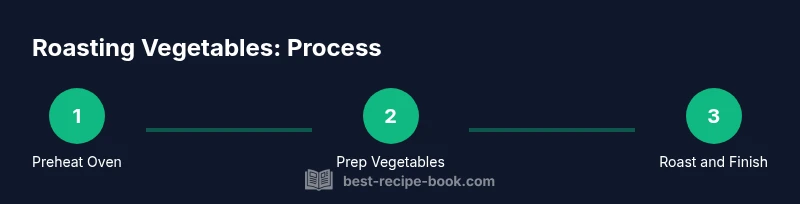
Preheat and Prep Oven
Preheat the oven to 425°F (220°C) and position the rack in the middle. This setup ensures even heat distribution for browning across all pieces. Allow 10 minutes for the oven to reach temperature before loading the tray.
Tip: Give yourself time for the oven to reach temperature and verify rack height before loading. - 2
Prep Vegetables
Wash, trim, and cut vegetables into uniform pieces. Dry thoroughly—moisture on surfaces can steam rather than roast, reducing browning. The goal is consistent sizing so every piece finishes at the same pace.
Tip: Aim for roughly 1-inch pieces for root vegetables and 1/2-inch for tender vegetables to ensure even cooking. - 3
Toss with Oil and Seasonings
In a large bowl, toss vegetables with just enough oil to lightly coat each piece. Add salt, pepper, and any additional seasonings. A small amount of garlic or herbs at this stage enhances aroma without overpowering the vegetables.
Tip: Too much oil can cause steaming instead of roasting; a light coat is all you need. - 4
Spread on Sheet in Single Layer
Arrange vegetables on a rimmed baking sheet in a single layer with space between pieces. Crowding traps steam and prevents browning. If needed, use two sheets or roast in batches.
Tip: A little space goes a long way toward crisp edges. - 5
Roast and Flip Halfway
Roast for about 20–25 minutes, then flip or rotate pieces to promote even caramelization on all sides. Continue until edges are browned and centers are tender.
Tip: Check early on delicate vegetables to prevent burning; you want caramelized edges, not burnt bits. - 6
Finish and Serve
Remove from the oven, taste, and adjust with a final splash of lemon juice or fresh herbs if desired. Serve hot as a side or fold into bowls with grains, legumes, or greens.
Tip: A quick squeeze of lemon brightens the dish and balances richness.
People Also Ask
What vegetables roast best in this method?
Root vegetables like carrots, potatoes, and parsnips hold up well, while bell peppers, zucchini, mushrooms, and broccoli roast quickly and gain a pleasant caramelization. A mix of hardy and quick-cooking vegetables works best when you cut them to similar sizes.
Root veggies and sturdy greens roast well, while softer vegetables finish quickly and should be kept smaller to avoid overcooking.
What temperature should I roast vegetables at?
A common target is 425°F (220°C) for most vegetables, which promotes browning without burning. You can adjust to 400°F (205°C) for more delicate mixes or higher for extra crispness, but monitor closely as cooks vary by oven.
Most people roast at around 425 degrees for a nice balance of browning and tenderness.
Should I peel vegetables before roasting?
Peeling is optional and depends on the vegetable and your texture preference. Potatoes and carrots are often peeled for a smoother finish, while squash skins may stay on if they’re tender and clean.
Peeling is optional; leave skins on when they’re tender and well-cleaned for extra texture and nutrients.
How long should I roast different vegetables?
Roast times vary by vegetable: root vegetables typically take 25–35 minutes, peppers and zucchini 15–20 minutes, mushrooms 15–25 minutes. Start checking at the 15-minute mark and rely on color, aroma, and tenderness as cues.
Most veggies finish around the 15–35 minute window depending on size and type.
Can I roast frozen vegetables?
Frozen vegetables can be roasted, but they release more moisture and may steam rather than brown. Thaw and pat dry when possible, then roast slightly longer and watch for soggy edges.
Yes, you can roast frozen veggies, but they may need a bit more time and a hot pan to brown well.
How do I tell when vegetables are done?
Visual cues are reliable: edges browned, centers tender when pierced with a fork, and aroma is inviting. Taste-testing a piece is the best final check for texture.
Look for browned edges, tender centers, and a pleasant aroma; taste a piece to confirm texture.
Watch Video
Key Takeaways
- Roast at high heat for caramelization
- Keep pieces uniform for even cooking
- Spread vegetables in a single layer to avoid steaming
- Finish with a bright acid or herbs for balance