Roast Beef Recipe: A Masterclass in Juicy, Flavorful Roast Beef
Master a roast beef with a crisp crust and juicy center through a step-by-step guide covering prep, searing, roasting temps, resting, and carving. Includes tips, variations, and practical techniques for home cooks.


In this guide you will learn how to roast beef to a juicy center with a deeply browned crust. You’ll choose a suitable roast, season well, sear for flavor, roast using a thermometer-driven method, rest to redistribute juices, and carve for serving. This step-by-step approach emphasizes timing, temperatures, and technique for reliable results.
Why a Roast Beef Recipe Works in Everyday Cooking\n\nRoast beef is a classic centerpiece that fits a weeknight family dinner or a holiday spread. Its flexibility makes it ideal for big gatherings or intimate meals. According to Best Recipe Book, roast beef remains a versatile centerpiece because of its rich flavor, ability to feed many with minimal hands-on time, and forgiving cooking process when you use a thermometer. The key is balancing seared crust and a uniformly cooked interior. In this section we explore how choices in cuts, trimming, and timing influence the final result. We'll cover rib roast for depth and marbling, top round for lean efficiency, and sirloin tip for a balance of tenderness and affordability. You’ll also learn how handling the roast before it enters the oven affects texture and juiciness. With clear steps, this roast beef recipe can become a reliable go-to in your home kitchen.
Selecting the Right Cut\n\nChoosing the right roast beef cut depends on flavor, budget, and timing. Rib roast offers rich marbling and a dramatic presentation, while sirloin tip provides good tenderness at a friendlier price. Top round is lean and benefits from a careful roasting approach and adequate resting. When selecting, look for an even color, a uniform shape that fits your pan, and a cut with some marbling if you’re opting for rib or center-cut options. Size matters: a 3- to 5-pound roast is typical for 6-8 servings, but adjust based on appetite and whether you plan for leftovers. If you intend to make pan gravy from drippings, a roast with a touch of fat will help; for a leaner option, consider bottom round or sirloin tip. Trim only what’s necessary to remove large fat pockets while preserving enough fat for flavor and moisture.
Dry Brine and Seasoning: The Key to Flavor\n\nSeasoning is the backbone of a great roast. A dry brine with kosher salt enhances crust formation and juiciness. Apply salt evenly across all surfaces; pepper, garlic, and optional herbs can follow. For best results, refrigerate uncovered for 1-24 hours to dry-brine, which intensifies flavor and improves browning. Right before roasting, add a light coating of oil or butter to promote browning. If using herbs, you can tie them on top of the roast so they perfume the meat during roasting. This approach yields a more flavorful crust and a moister interior.
Searing for Crust: How to Lock In Juices\n\nSearing is the step that creates the coveted crust. Heat a heavy, oven-safe skillet with a thin film of oil until shimmering. Sear the roast on all sides until deeply browned, about 1-2 minutes per side, to develop a crust that locks in juices. Don’t crowd the pan; sear in batches if needed to avoid steaming. The sear also jump-starts aroma development, which compounds as the roast finishes in the oven.
Roasting Techniques: Two-Stage Method\n\nRoast with a two-stage approach to balance crust and interior doneness. Start with a high heat phase (around 450°F / 232°C) for 15-20 minutes to set the crust and begin interior heating. Then reduce the oven to a moderate 325-350°F (163-177°C) and continue roasting until the internal temperature approaches your target doneness. The roast size will influence total time, with approximate guidance of 12-15 minutes per pound for medium-rare, but always rely on a thermometer for accuracy. If you prefer a deeper crust, you can extend the high-heat phase slightly, but monitor closely to prevent overcooking the interior.
Doneness Guide: When to Pull It\n\nDoneness should be judged by internal temperature, not time alone. Rare is about 120-125°F, medium-rare 130-135°F, and medium 140-145°F. Carryover heat will push the final temperature by about 5-10°F after removal. Remove the roast when it’s 5-10°F below your target, then rest it to let juices redistribute. The thermometer is your best friend here; color alone is not a reliable indicator.
Resting and Carving: Juices Return\n\nRest is essential for tenderness. Move the roast to a warm cutting board or rack and tent loosely with foil for 15-20 minutes. Resting allows juices to redistribute so slicing yields moist, flavorful portions. When you’re ready to serve, slice thinly against the grain for maximum tenderness and arrange slices on a warmed platter. If you plan to sauce, keep drippings handy for gravy or a quick pan sauce.
Sauces and Sides: Classic Pairings\n\nA sharp horseradish cream or a glossy pan gravy complements roast beef beautifully. Classic sides include creamy mashed potatoes, roasted root vegetables, and green beans or a simple salad with crusty bread. For a lighter option, pair with a bright herb herb vinaigrette and steamed vegetables. A small dab of herb butter on hot slices can add extra moisture and aroma.
Troubleshooting Common Issues\n\nIf the roast tastes underseasoned, adjust the salt and pepper during the dry-brine stage next time. If the crust isn’t as deep as you want, increase the searing time slightly or finish with a few minutes of high-heat exposure, watching carefully to prevent overcooking. Dryness usually signals overcooking or insufficient resting; always rely on a thermometer and consider choosing a slightly more marbled cut if moisture is a concern. Finally, pale crusts can be improved by a short re-sear or a quick return to high heat after the initial roast.
Variations and Special Diets\n\nHerb-crust, pepper-crust, or garlic-rosemary rubs add aroma and flavor. For a leaner version, use bottom round and monitor temperature closely; for a richer flavor, select rib roast with higher marbling. If you need a gluten-free gravy, thicken with cornstarch or arrowroot instead of flour. You can also swap in different herbs to match seasonal vegetables or a wine-paired menu.
Make-Ahead and Leftovers: Storing and Reheating\n\nLeftovers store well in the fridge for several days and can be frozen for longer storage. Slice and refrigerate in airtight containers; reheat gently in a low oven with a splash of beef stock to preserve moisture. You can also repurpose slices into roast beef sandwiches, toss with warm veggies, or add to a hearty soup or stew. Proper storage and thoughtful reheating help maintain texture and flavor.
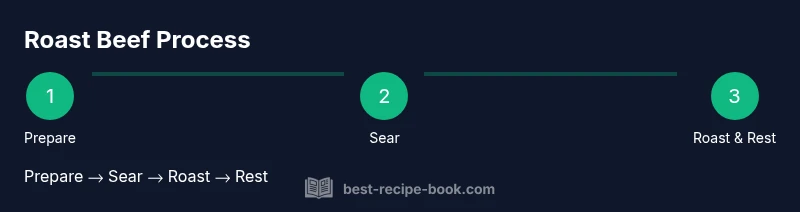
Quick-Reference Checklist\n\n- Choose the right cut and weight\n- Dry-brine with kosher salt for at least 1 hour (ideally overnight)\n- Sear on all sides for a deep crust\n- Roast high, then finish at a lower temperature with thermometer guidance\n- Check internal temperature and remove before carryover cooking finishes the job\n- Rest 15-20 minutes, then carve against the grain\n- Serve with gravy and classic sides for a complete meal
Tools & Materials
- Roasting pan with rack(Heavy-duty metal or enamel; fits your roast size)
- Meat thermometer (instant-read)(Probe-style for accurate internal temp)
- Chef's knife(12-inch recommended for easy carving)
- Cutting board(Stable, large enough for sliced roast)
- Kosher salt(Fine to coarse; for dry brine)
- Freshly ground black pepper(Coarse grind preferred)
- Olive oil or neutral oil(For searing if needed)
- Fresh herbs (rosemary, thyme)(Optional aromatics for flavor)
Steps
Estimated time: 2 hours 30 minutes to 3 hours
- 1
Prepare and trim the beef
Pat roast dry and trim excess fat if desired. This helps browning and even cooking by reducing insulating fat pockets. Let the meat sit at room temperature for 15-30 minutes before seasoning to promote even cooking.
Tip: Dry surface improves browning; remove large fat cap only if very thick - 2
Season and dry-brine
Generously salt the meat with kosher salt; apply pepper and optional garlic or herbs. For best results, refrigerate uncovered for 1-24 hours to dry-brine, which enhances juiciness and crust formation. Right before roasting, brush with a little oil if you like.
Tip: Even salt distribution matters; use your fingers to pat salt into all surfaces - 3
Sear for crust
Heat a heavy skillet with a thin film of oil until shimmering. Sear the roast on all sides until deeply browned, about 1-2 minutes per side, to develop a crust that locks in juices. Do not move the roast too often; let it form a crust before turning to the next side.
Tip: Don’t crowd the pan; work in batches if needed to avoid steaming the meat - 4
Roast with high heat to start
Transfer the crusted roast to a rack and roast in a hot oven (around 450°F / 232°C) for 15-20 minutes to set the crust and begin interior heating. This step creates a nice crust without overcooking the interior.
Tip: Keep an eye on the crust; if it darkens too quickly, reduce heat sooner - 5
Finish at lower heat
Reduce oven to 325-350°F (163-177°C) and continue roasting until the internal temperature approaches your target doneness. Rely on the thermometer rather than the clock for best results.
Tip: Start checking at the lower end of the time range to avoid overshoot - 6
Check doneness and rest nearby temp
When the thermometer reads 5-10°F below target, remove the roast from the oven. Tent loosely with foil and let rest 15-20 minutes; carryover heat will finish the job.
Tip: Resting is essential; it redistributes juices for a moister slice - 7
Carve against the grain
Slice thinly against the grain for maximum tenderness. Arrange slices on a warm platter and optional pan gravy can be served alongside.
Tip: Identify the grain before slicing by looking for muscle fiber direction - 8
Make a quick pan gravy (optional)
Deglaze the roasting pan with wine or stock, scrape up browned bits, and reduce to a glossy sauce. Whisk in a splash of butter for sheen.
Tip: If using flour, whisk in small amounts to avoid lumps
People Also Ask
What cut should I choose for roast beef?
Rib roast, sirloin tip, or top round are common. Rib roast yields rich flavor and marbling, while bottom round is leaner and more affordable. Choose based on budget and desired tenderness.
For best results, choose rib roast or sirloin tip, and adjust cooking time for the cut you pick.
What temperature and how long should I roast?
A two-stage approach works well: start hot to form a crust, then finish at a moderate temperature until the interior reaches the target doneness. Always use a meat thermometer.
Roast with a hot start, then finish at a moderate temp until your thermometer reads the right doneness.
Should I salt the roast ahead of time?
Yes. Dry brining with kosher salt enhances juiciness and crust. Salt at least 1 hour before roasting; overnight refrigeration yields the best flavor.
Yes—dry brine with kosher salt for best flavor. Let it sit 1 hour or longer.
How long should the roast rest?
Rest the meat 15-20 minutes after removing it from the oven. Resting helps juices redistribute for a moister slice.
Rest for about 15 to 20 minutes so the juices reabsorb.
Can I make gravy from the pan drippings?
Absolutely. Deglaze the pan with wine or stock, scrape up browned bits, reduce, and whisk in butter or a small amount of flour for body.
Yes—deglaze and reduce the drippings to make a rich gravy.
What about herb-crust or pepper-crust variants?
Herb or pepper crusts add aroma and flavor. Salt yourself accordingly and season the crust, then proceed with the same roasting method.
Try an herb crust or pepper crust for extra aroma, then roast as usual.
Watch Video
Key Takeaways
- Season generously and dry-brine for flavor
- Use a two-stage roasting method for crust + doneness
- Rest before slicing to maximize juiciness
- Slice against the grain for tenderness
- Use thermometer-guided doneness for best results