Prime Rib Roast: A Complete How-To Guide
Learn to roast prime rib with confidence using a simple, kitchen-friendly method. From seasoning to resting, this step-by-step guide helps you achieve juicy, evenly cooked slices every time.


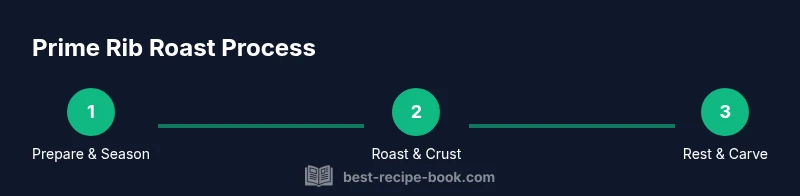
With this guide you will confidently roast prime rib roast to your preferred doneness using a reliable home method. You’ll need a bone-in roast, kosher salt, pepper, a roasting pan with a rack, and a meat thermometer. We cover prep, seasoning, roasting, resting, and carving for juicy, even slices every time.
Understanding prime rib roast
Prime rib roast refers to the center-cut rib section of a beef rib roast, typically bone-in, and prized for its tender texture and rich flavor. The cut comes from the primal rib section (ribs 6 through 12) and is often sold with one or more rib bones attached. For home cooks, prime rib is a centerpiece dish that benefits from slow, even roasting and careful resting. According to Best Recipe Book, the key to success is balancing a flavorful crust with a juicy, rosy interior. In this guide you’ll learn how to choose, prepare, season, roast, rest, and carve prime rib so every slice shines. You’ll see practical tips, common pitfalls, and variations you can tailor to your equipment and occasion. Understanding the anatomy of the roast helps you decide how much meat to plan per guest, how thick to slice, and how to manage carryover cooking during resting. When done well, prime rib delivers a dramatic presentation and an indulgent bite.
Selecting the right roast
Choosing the right prime rib roast sets the stage for success. Start with bone-in vs boneless: bone-in roasts typically yield more flavor and easier carving, while boneless roasts can be easier to portion and fit into smaller ovens. Consider weight: a 4–6 pound roast feeds 6–8 people, with 2–3 people per rib. Look for a solid fat cap (about 1/4–1/2 inch) and evenly distributed marbling. Check for a bright red color and a firm texture; avoid roasts with grayish spots or sagging areas. If possible, ask your butcher to trim and tie the roast so it roasts evenly. The choice of aging (wet vs dry) affects flavor and tenderness; dry-aged roasts tend to be more concentrated but can be more expensive. Regardless of choice, plan for a two-step approach: an initial high-heat sear or roast to develop crust, followed by a lower, steady temperature to finish the cook.
Preparing the roast
Preparation begins with patting the roast dry to promote crust formation and consistent browning. Remove the roast from the fridge 2–3 hours before cooking to allow it to come closer to room temperature for even cooking. Pat dry once more just before seasoning to ensure the surface moisture doesn’t steam when it hits the hot pan. Lightly oil the surface if you prefer, but the salt and pepper are the main drivers of flavor. If you plan to dry-brine, rub in kosher salt evenly and let the meat rest uncovered in the fridge for several hours or up to overnight; this step helps enhance moisture retention and year-round tenderness. Bring garnishes such as fresh herbs, garlic, and peppercorns into play during the roasting phase as aromatics, avoiding overpowering flavors that mask the meat’s natural character. Finally, set up your roasting pan with a rack so the meat sits above the pan juices, promoting even heat circulation and preventing a soggy bottom.
Seasoning and flavor building
Salt is your primary flavor enhancer for prime rib. Generously season all surfaces with kosher salt, using a light hand on the bones to avoid over-salting the marrow. A pepper crust complements the meat’s natural sweetness, so grind pepper generously just before roasting to maximize aroma. For a simple herb note, add crushed garlic, fresh thyme, or rosemary to the salt rub, but don’t overwhelm the beef’s inherent beefiness. If you want a dry brine, apply salt 12–24 hours ahead and refrigerate uncovered to help dry the surface. During the roast, the salt draws out moisture, which dissolves again as the roast cooks, contributing to a juicy interior. Finally, consider a small amount of neutral oil or rendered fat to help the spices cling if your roast surface is particularly dry.
Searing and crust development
A quick, hot blast at the outset creates a deeply browned crust that seals in juices and adds texture. Preheat the oven to a high temperature (commonly around 450°F) and roast the meat for 15–20 minutes to develop color. This high-heat phase should be brief to avoid overcooking the interior; you want a dark crust with a rosy center after the rest. For even browning, avoid moving the roast too much during this stage. Optional: you can sear on a hot skillet for a few minutes per side before transferring to the oven, but many home cooks find a hot oven roast sufficient. Remember: the crust is flavorful, but the interior is the star, so balance direct heat with the later low-and-slow portion.
Roasting and temperature targets
After the initial sear, reduce the oven temperature to 325–350°F and continue cooking until the meat hits your target internal temperature. For rare, pull at 120–125°F; for medium-rare, aim for 130–135°F; for medium, 135–145°F; for well-done, 155°F and above. Note that carryover cooking in a resting roast will raise the final temperature by 5–10°F, so many cooks remove the roast a few degrees early. Use an instant-read thermometer inserted into the thickest part of the roast, not touching bone, to monitor progress. Avoid opening the oven door repeatedly, as this lets heat escape and increases total cooking time. If your roast is browning too quickly on the outside while the inside remains underdone, tent the meat with foil and briefly raise air flow to equalize heat distribution.
Resting and carving: maximizing juiciness and texture
Resting is when the juices redistribute and the meat becomes easier to slice. Transfer the roast to a warm cutting board or carving station and tent loosely with foil for 20–30 minutes. Do not skip this step; resting allows the fibers to relax and the juices to reabsorb, resulting in juicier slices. After resting, carve the roast against the grain in thick, even slices, trimming away any browned exterior through a quick slice. If you’re serving with a creamy horseradish or red wine sauce, add it on the side to avoid masking the roast’s natural flavor. Finally, slice the meat to your guests’ preferred thickness and arrange on a warmed platter for optimal presentation.
Troubleshooting and variations
If the roast finishes unevenly, it’s often due to an inconsistent roast size, oven hot spots, or crowded pan. To help, rotate the pan halfway through cooking and verify oven calibration with an external thermometer. If the center remains underdone, extend roasting time or briefly return to higher heat before resuming low-and-slow finishing. For a classic version, keep the seasoning simple with salt, pepper, and a few aromatics. If you’d like a stronger crust, finish with a brief blast of high heat during the last 5–10 minutes. For a lighter, faster alternative, try a boneless rib roast or smaller roast portions that cook more evenly.
Serving suggestions and meal planning
Prime rib pairs beautifully with roasted root vegetables, creamed spinach, or classic mashed potatoes. For a festive presentation, slice thick and fan onto a platter with a simple jus spoon. If you’re feeding a crowd, roast a larger bone-in rack and trim portions to serve. Consider making a pan sauce from the roast drippings by deglazing with red wine or beef stock, then finishing with a knob of butter. If you’re hosting a multi-course meal, plan ahead for a hot, steady service window by roasting the meat while other dishes finish. Leftovers can become prime rib sandwiches, hash, or a curious breakfast hash. With practice, prime rib roast becomes a reliable showpiece that elevates any occasion.
Tools & Materials
- Bone-in prime rib roast (4-6 lb)(Choose a roast with a generous rib bone; 2-3 inches of fat cap is ideal)
- Kosher salt(Use as the primary flavor builder; dry-brine optional for extra juiciness)
- Freshly ground black pepper(Coarse grind for better aroma and crust)
- Roasting pan with rack(Elevates the meat for even heat circulation)
- Meat thermometer (instant-read)(Monitor internal temp; avoid bone for accurate readings)
- Chef’s knife(For clean carving after resting)
Steps
Estimated time: Total time: 2 hours 45 minutes
- 1
Bring roast to room temperature
Remove the roast from the fridge and let it sit on the counter for 2–3 hours so the interior heats evenly.
Tip: Place on a rack to promote air circulation around all sides. - 2
Pat dry and season
Pat the roast dry and apply a generous salt rub to all surfaces to start flavor development and crust formation.
Tip: Patience with the rub ensures even coverage and better crust. - 3
Roast at high heat to brown crust
Roast in a preheated oven at about 450°F for 15–20 minutes to form a deep, flavorful crust.
Tip: Watch color carefully; aim for a rich, even crust without burning. - 4
Lower heat to finish roasting
Reduce oven to 325–350°F and continue cooking until the meat reaches target internal temperature.
Tip: Use a thermometer early to avoid overcooking. - 5
Monitor internal temperature
Insert the thermometer into the thickest part, avoiding bone, to track progress toward your target.
Tip: Carryover heat will raise temperature after removal; plan accordingly. - 6
Rest the roast before carving
Let the roast rest loosely tented with foil for 20–30 minutes to reabsorb juices.
Tip: Resting is essential for juicy slices. - 7
Carve and serve
Carve against the grain into thick, even slices and arrange on a warmed platter.
Tip: Slice just before serving for optimal juiciness.
People Also Ask
What exactly is prime rib roast and why is it so popular?
Prime rib roast is the rib section of a beef roast, usually bone-in, known for rich flavor and tenderness. Its popularity comes from its dramatic presentation, luxurious texture, and forgiving cooking methods that suit home cooks with a thermometer.
Prime rib is the rib section roasted as a centerpiece, prized for flavor and tenderness.
What temperature should I cook prime rib to?
Set a target internal temperature based on desired doneness: rare 120–125°F, medium-rare 130–135°F, medium 135–145°F, well-done 155°F+. Remember carryover heat will raise final temperature by about 5–10°F.
Aim for your desired doneness, then account for carryover heat during resting.
Should I cook bone-in or boneless prime rib?
Bone-in roasts typically offer more flavor and easier carving, while boneless roasts are often simpler to portions and fit smaller ovens. Both methods work well with proper timing and temperature control.
Bone-in adds flavor; boneless is easier to carve and portion.
How long should the roast rest after cooking?
Rest the roast for about 20–30 minutes, tented loosely with foil. Resting lets juices redistribute, improving juiciness and slice quality.
Rest for 20 to 30 minutes for juicier slices.
Can I prepare prime rib ahead of time?
Yes. You can dry-brine ahead of time and let the roast come to room temperature before roasting. Some cooks also prepare a pan sauce from drippings for finishing.
Dry-brine ahead and plan for finishing with a fresh roast.
What sides go best with prime rib?
Classic options include roasted vegetables, mashed potatoes, creamed spinach, and a simple pan sauce. Choose sides that complement rich beef without overpowering it.
Roasted veg, mashed potatoes, and a simple pan sauce pair well.
Watch Video
Key Takeaways
- Season generously with kosher salt for flavor and crust.
- Monitor internal temperature with a thermometer for accuracy.
- Let the roast rest before carving to maximize juiciness.
- Sear for crust, then finish at a lower temperature for even cooking.
- Carve against the grain for tender slices.