Shoulder Roast Recipe Beef: A Complete Step-by-Step Guide
Learn how to cook a shoulder roast beef to tender perfection with our practical, step-by-step guide. From selecting the cut to resting and carving, this Best Recipe Book tutorial covers browning, roasting, and serving delicious beef.


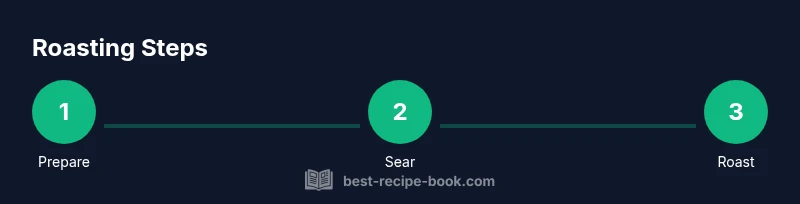
In this shoulder roast recipe beef guide, you will learn to choose, season, sear, and slow-roast a beef shoulder until tender and flavorful. Core requirements: a boneless beef shoulder roast or bone-in, a roasting pan, a thermometer, and an oven set to 300–325°F. Plan for about 2.5–4 hours, then rest to redistribute juices for even slicing.
Shoulder roast beef: why it's a versatile centerpiece
Shoulder roast recipe beef is a reliable centerpiece for weekday family dinners and special occasions alike. The cut comes from the upper shoulder, offering rich beef flavor and generous marbling when cooked slowly. According to Best Recipe Book, this cut rewards patient cooks with a juicy interior and a deeply flavorful crust when roasted low and slow. You can tailor seasonings from simple salt and pepper to bold herb blends, making it adaptable for everything from weeknight dinners to festive Sunday suppers. In this guide, we’ll cover selection, preparation, browning, slow-roasting, rest, and carving so you can confidently serve a crowd-pleasing beef roast every time.
Tip: Use a thermometer to guide progress rather than relying on time alone, especially with larger roasts. This helps you reach the perfect doneness without overshooting. Best Recipe Book emphasizes moisture retention and even cooking, so choose a roasting method that allows air to circulate around the meat.
Selecting and preparing the roast
Choosing the right shoulder roast beef starts with weight, marbling, and whether you want bone-in or boneless. For most home cooks, a boneless shoulder roast around 2.5 to 4 pounds balances cooking time and sliceability. If you prefer richer flavor and a little extra moisture, choose bone-in; the bone can contribute to flavor, and the roast often stays moister during long cooks. Pat the meat dry with paper towels to promote browning, and let it come to room temperature for 30 to 60 minutes before roasting. A quick dry-brine of salt for about 30 minutes can help boost surface flavor and improve crust formation. If you’re using a mortar of pepper, garlic, and herbs, apply evenly and press gently into the surface so the seasoning adheres during roasting. Best Recipe Book’s guidance emphasizes moisture retention and even cooking, so avoid overcrowding the pan and keep a moderate gap around the roast for air circulation.
Pro tip: Salt early or use a light dry-brine to help the crust form while the interior warms, but don’t oversalt for bone-in cuts.
Searing, seasoning, and building flavor
For a rich crust, heat a heavy skillet with a bit of oil until shimmering, then sear the roast on all sides before transferring to the oven. Searing locks in surface moisture and creates a flavor-packed layer that carries through the long roast. Seasonings can be simple or bold: kosher salt, cracked black pepper, garlic, and fresh rosemary or thyme are classic, while paprika, cumin, and dried mushrooms can add depth for a different profile. After searing, transfer the meat to a rack in a roasting pan, and pour a small amount of broth or water into the bottom to create gentle steam. This pan liquid later becomes a base for pan gravy. The goal is to combine a flavorful crust with a moist interior; the surface should be deeply browned, not burned, and the interior should show a pink, juicy center when tested with a thermometer. Keep the roast moving slightly in the oven to promote even browning rather than scorching the outer layer.
Note: If you’re cooking at altitude or in an older oven, check the surface color earlier and adjust heat as needed to prevent burning while still achieving a crust.
Low-and-slow roasting, resting, and carving
Roast the beef at 300–325°F (150–165°C) until the internal temperature reaches your target, usually around 135–145°F (57–63°C) for medium-rare to medium, with carryover cooking bringing the final temp up slightly as it rests. Plan roughly 25–30 minutes per pound as a rough guide, but rely on a thermometer to decide when to pull the roast. When the roast is finished, remove it from the oven and tent loosely with foil for 15–20 minutes. Resting is essential; it allows juices to redistribute, making carving easier and slices more tender. Slice against the grain in thick, even portions, and serve with pan gravy or a simple horseradish cream. If you’re preparing leftovers, refrigerate slices promptly and reheat gently to avoid drying out the meat. For a family-style presentation, arrange slices in a fan on a warm serving platter and drizzle lightly with pan juices.
Best Recipe Book notes that rest time matters just as much as cook time for even doneness and juicy slices.
Leftovers, sauces, and serving ideas
Even when finished, a shoulder roast beef yields multiple meal options. Slice portions for sandwiches with a tangy red wine mayo or classic au jus, or serve with mashed potatoes and roasted vegetables for a comforting Sunday dinner. If you want variety, offer two sauces: a bright horseradish cream and a rich beef pan gravy made from deglazing the roasting pan with wine or stock. A light herb gremolata can provide brightness to balance the beef’s depth. Store leftovers in airtight containers for up to 3–4 days in the refrigerator or freeze for longer-term use. Reheat gently in the oven or on the stovetop with a splash of broth to preserve moisture.
A note on scale: for family-sized gatherings, consider doubling the recipe and using two smaller roasts in shifts to maintain even cooking and crust development.
Authority sources
For cooking safety and temperature guidance, rely on established sources. Here are trusted references you can consult for beef-roasting guidelines and food safety standards:
- USDA FSIS: Safe cooking temperatures and beef handling tips: https://www.fsis.usda.gov/food-safety/safe-food-handling-and-cooking/meat-and-poultry-cooking-temperatures
- Extension resources for roasting techniques and rest times: https://extension.psu.edu
- University extension cooking guidance: https://extension.illinois.edu
These sources help validate the approach described in this shoulder roast recipe beef guide and provide additional context on food safety and best practices.
100% Practical: Make-ahead tips and variations
If you want to meal prep ahead, consider dry-brining the night before and refrigerating, then roasting the next day. You can also freeze cooked slices in small portions and thaw in the fridge before reheating gently. For variations, swap herbs like thyme for sage, or add a splash of red wine to the pan sauce for a richer finish. Finally, keep a log of weights, temps, and resting times so you can reproduce consistently tender results in future roasts.
Tools & Materials
- Beef shoulder roast (bone-in or boneless)(2.5–4 pounds is ideal for even cooking)
- Roasting pan with rack(Allows air circulation for even browning)
- Cast-iron or heavy-duty skillet(For initial sear to build crust)
- Meat thermometer or digital probe thermometer(Target 135–145°F (57–63°C) for medium-rare to medium)
- Aluminum foil(Tent meat during resting if needed)
- Paper towels(Pat dry surface for browning)
- Sharp carving knife and cutting board(Carve against the grain for tenderness)
- Kitchen twine (if bone-in)(Use to tie roast if needed for shape)
- Small amount of oil with high smoke point(For searing the roast)
Steps
Estimated time: Total time: 2.5–4 hours
- 1
Choose and prepare the roast
Select a shoulder roast in the 2.5–4 lb range. Pat dry with paper towels and bring to room temperature for 30–60 minutes. If using a light dry-brine, sprinkle kosher salt and let rest briefly to enhance surface flavor.
Tip: Dry surface helps browning; don’t skip pat-drying before searing. - 2
Season and tie if needed
Season evenly with salt, pepper, and your chosen herbs. If bone-in, consider tying the roast to maintain an even shape for uniform cooking.
Tip: A gentle press helps the seasoning adhere during roasting. - 3
Sear the roast
Heat a heavy skillet with a little oil until shimmering. Sear the roast on all sides until deeply browned and crusty, about 2–3 minutes per side. Remove and transfer to a rack in the roasting pan.
Tip: Searing locks in flavors; don’t rush this step. - 4
Roast at low temperature
Roast in a 300–325°F oven until the internal temperature reaches 135–145°F for medium-rare to medium. Use the thermometer rather than chasing a fixed time; expect roughly 25–30 minutes per pound depending on oven and roast shape.
Tip: Check early toward the end of cooking to avoid overshoot. - 5
Rest the meat
Once the target temp is reached, remove from oven and tent with foil for 15–20 minutes. Resting redistributes juices for easier carving and juicier slices.
Tip: Rest is not optional; it completes the cooking process. - 6
Carve and serve
Carve against the grain into thick slices. Serve with pan gravy or a horseradish cream for a classic pairing. Reheat leftovers gently to preserve moisture.
Tip: Slice across the grain for tenderness; keep slices uniform for even plating.
People Also Ask
What internal temperature should I aim for a tender shoulder roast beef?
Aim for 135–145°F (57–63°C) for medium-rare to medium. Allow for carryover cooking after removal from the oven. Resting time helps the juices redistribute for a truly juicy slice.
Target about 135 to 145 degrees, then rest to finish cooking and keep the meat juicy.
Is bone-in better than boneless for a shoulder roast?
Bone-in roasts can add flavor and moisture, especially during long cooks, while boneless roasts are easier to carve and portion. Choose based on preference and serving plans.
Bone-in gives more flavor and moisture, but boneless is simpler to carve.
How long should I roast a shoulder roast beef?
Roasting times vary with weight and oven. A practical approach is about 25–30 minutes per pound at 300–325°F, but monitor with a thermometer and remove when close to the target temperature to account for carryover.
Roughly 25 to 30 minutes per pound, but watch the thermometer and rest before serving.
What are good sides to serve with shoulder roast beef?
Classic sides include mashed potatoes, roasted carrots, green beans, and a tangy horseradish cream or mushroom gravy to complement the beef’s richness.
Pair it with potatoes and green veggies, plus a tangy gravy or horseradish sauce.
Can I make this ahead or freeze leftovers?
Yes. Dry-brine and refrigerate overnight for an even crust, then roast the next day. Slice leftovers, refrigerate promptly, and reheat gently to preserve moisture; freeze cooked slices for longer storage.
Yes, you can prep ahead or freeze leftovers; reheat gently to keep moisture.
What if my oven runs hot or cold?
Invest in an oven thermometer to check actual temperature. If you know your oven runs hot, reduce the target temperature by 25 degrees and adjust timing accordingly.
If your oven is off, use a thermometer and adjust temperature and time to fit.
Watch Video
Key Takeaways
- Choose the right weight and whether bone-in or boneless.
- Sear for flavor, then roast low and slow for tenderness.
- Rest before carving to retain juiciness and ensure even slices.
- Use a thermometer to hit the target doneness precisely.