Braised Short Ribs Recipe: A Step-by-Step Guide
Master the art of braising short ribs with a step-by-step guide, practical tips, and variations for fork-tender meat and a glossy, flavorful sauce.


You will learn how to braise short ribs until they're fork-tender with a rich, glossy sauce. This guide covers searing, layering aromatics, choosing liquids, and simmering to develop deep flavor. Prepare bone-in short ribs, a heavy pot, and several hours for a reliable, crowd-pleasing result. You will also learn how to finish with herbs and a bright acid to balance richness.
Why braising short ribs is the go-to method for deeply flavorful meat
Braising uses low, moist heat to break down connective tissue in tougher cuts like short ribs. The result is meat that’s fork-tender and juicy, with a sauce that coats every bite. According to Best Recipe Book, this approach is especially reliable for a short ribs recipe braised, delivering consistent tenderness even with variations in rib size. When you begin with a good browning, you lock in flavors that no simmer alone can achieve. The method also suits home cooks who need predictability: you can batch and refrigerate the braise, then reheat with little loss of moisture. Throughout the process, you’ll notice how the long, slow cook concentrates flavors and delivers a rich, comforting dish.
Ingredients and pantry staples for braised short ribs
A successful braise starts with quality meat and a balanced braising liquid. Opt for bone-in short ribs with good marbling for maximum flavor and tenderness. Classic aromatics include onions, carrots, and celery, with garlic for a savory backbone. For the braising liquid, a mix of beef stock and red wine (or a robust stock alternative) provides depth; you can also add a splash of balsamic or tomato paste for acidity and color. Herbs like thyme, bay leaf, and cracked black pepper elevate the sauce. Don’t forget salt—season generously at the start so the meat absorbs flavor as it braises. If you prefer a non-alcohol option, replace wine with extra stock and a touch of vinegar. This is a core component of any short ribs recipe braised that aims for restaurant-level depth at home.
Browning and layering flavors: the Maillard reaction
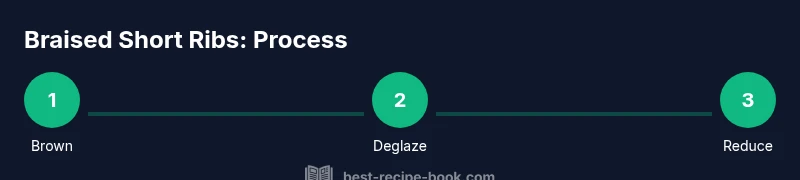
Browning is where much of the magic happens. Searing the ribs in a hot pan creates a deep, complex crust that adds both texture and flavor to the final sauce. Don’t crowd the pan; sear in batches to avoid steaming. After browning, remove the meat to rest on a plate and use the fond (the browned bits) to deglaze the pot. This deglazing step lifts flavor from the pan and distributes it throughout the braising liquid. As Best Recipe Book notes, effective browning is a cornerstone of a truly flavorful braised dish, contributing significantly to the perceived richness of the sauce and the tenderness of the meat.
The braising method: choosing liquids, aromatics, and vessels
A successful braise rests on choosing the right liquids and a sturdy vessel. A traditional mix of red wine and beef stock provides acidity and depth; you can swap in beer for a milder sweetness or use only stock if you prefer. Aromatics like onions, garlic, carrots, and herbs create a layered flavor profile that infuses the meat as it cooks. A heavy Dutch oven or braiser is ideal because it distributes heat evenly and can transition from stovetop to oven. Temperature control is key: keep the braise at a steady, gentle simmer to break down collagen without toughening the fibers. This long, slow cook is the essence of the short ribs recipe braised approach, yielding meat that pulls apart with a fork and a sauce that clings to every bite.
Finishing touches, serving ideas, and variations
When the ribs reach fork-tender, remove them from the braising liquid and reduce the sauce until glossy. A touch of butter or a splash of fresh herbs brightens the finish. Serve over mashed potatoes, polenta, or creamy grits to soak up the sauce. For variations, add mushrooms, roasted garlic, or a hint of citrus zest to brighten the depth of flavor. If you like a richer glaze, finish with a small amount of demi-glace or a glaze made from the reduced braise itself. This final step pulls the entire dish together, delivering a satisfying, restaurant-worthy experience at home. And remember, the best braised short ribs shine when you balance fat, acid, and salt to taste as you go.
Troubleshooting and do-ahead strategies
If the meat seems tough after the stated cooking time, it may need more time. Return the ribs to the braising liquid and continue to cook, checking tenderness every 15–20 minutes. If the sauce has separated, whisk in a touch of cold butter or a splash of stock to re-emulsify. For make-ahead efficiency, braise a day in advance, cool, and refrigerate; reheat gently on the stovetop and skim off any congealed fat before serving. Taste as you go; if it’s under-seasoned, adjust with salt in small increments. This approach keeps the dish flexible without sacrificing flavor or texture.
Authoritative references
- USDA Food Safety and Inspection Service: Beef cooking and handling guidelines: https://www.fsis.usda.gov/food-safety/safe-food-handling-and-cooking/beef
- FDA: Food Safety and Consumer Education for safe cooking practices: https://www.fda.gov/food-safety
- Harvard T.H. Chan School of Public Health Nutrition Source on meat and beef: https://www.hsph.harvard.edu/nutritionsource/meat-and-beef/
Tools & Materials
- heavy-bottomed braiser or Dutch oven(At least 4-5 quarts; oven-safe with tight lid)
- tongs(For batch browning and handling meat)
- chef’s knife and cutting board(Trim fat and cut aromatics)
- wooden spoon or silicone spatula(For scraping fond and stirring)
- meat thermometer(Check internal doneness toward the end)
- measuring cups and spoons(Accurate liquid and seasoning measures)
- aluminum foil or lid for braise(Tight cover to minimize evaporation)
- basting brush (optional)(Useful for coating glaze in final steps)
- ladle(For portioning sauce over meat)
- sink-friendly timer or clock(Maintain braising schedule)
Steps
Estimated time: 2.5-3 hours
- 1
Sear the ribs in batches
Pat the ribs dry and season generously with salt. Sear in a hot, lightly oiled pan until deeply browned on all sides. Do not overcrowd the pan; browning adds depth of flavor that is essential to the final dish.
Tip: Browning twice if needed ensures a rich crust without steaming. - 2
Deglaze the pot
Remove the browned ribs and pour a splash of wine or stock into the pot. Scrape up the browned bits from the bottom with a wooden spoon to incorporate flavor into the braising liquid.
Tip: Keep the deglazing liquid; it will flavor the sauce brilliantly. - 3
Prepare the braising liquid
Return the ribs to the pot and add beef stock, wine, and aromatics like onion, carrot, celery, and garlic. Add herbs such as thyme and bay leaves for a layered, nuanced sauce.
Tip: Season in layers—add salt gradually as the liquid reduces. - 4
Braise gently
Cover and maintain a gentle simmer on the stovetop or transfer to a low oven (around 300°F/150°C). Cook until the meat is fork-tender, typically 2.5–3 hours depending on rib size and starting temperature.
Tip: Check tenderness after 2 hours, then continue in 15–20 minute bursts as needed. - 5
Finish the sauce and rest
Remove ribs and reduce the braising liquid on medium heat until glossy. Swirl in a small amount of cold butter for emulsion, then season to taste. Let the meat rest 10–15 minutes before serving.
Tip: Resting lets juices redistribute; slice against the grain for tenderness. - 6
Serve and store
Serve ribs with a spoonful of sauce over your chosen starch. Leftovers refrigerate well for 3–4 days or freeze for longer storage. Reheat gently to preserve moisture.
Tip: Skim fat from the surface before reheating for a cleaner sauce.
People Also Ask
What cut of short ribs should I use for braising?
Bone-in short ribs with good marbling are ideal for braising because the connective tissue breaks down into a tender, flavorful meat. Avoid very lean cuts for this method.
Choose bone-in short ribs with marbling for best tenderness and flavor.
How long does braising take?
Plan for about 2.5 to 3 hours at a gentle simmer, or until the meat is fork-tender. The exact time depends on rib size and starting temperature.
Typically two and a half to three hours, depending on size.
Can I prepare braised short ribs in advance?
Yes. You can braise, then cool and refrigerate. Reheat slowly on the stove, skimming fat as needed for a clean finish.
Braised ribs reheat well; just warm them gently.
What should the sauce taste like?
Aim for a rich, balanced sauce with a touch of acidity to cut through the richness. If needed, adjust with a splash of vinegar or a bit of wine.
Rich and balanced, with a little acidity to brighten the dish.
What sides pair best with braised short ribs?
Mashed potatoes, polenta, or creamy grits are classic accompaniments that soak up the sauce beautifully.
Creamy starches like mashed potatoes go great with braised ribs.
Can I substitute wine for stock?
Wine adds acid and depth; you can substitute with additional stock if you prefer to avoid alcohol.
Wine adds depth, but stock works too if you skip the alcohol.
Watch Video
Key Takeaways
- Brown meat for depth of flavor
- Keep braising gentle and steady
- Layer seasonings and adjust salt gradually
- Rest meat before slicing for juiciness
- Use a proper braising vessel for even heat