Shrimp Ceviche: A Fresh, Safe Step-by-Step Guide
Learn to make shrimp ceviche with confidence: selecting shrimp, citrus marination times, safety tips, and serving ideas. A practical, chef-inspired guide for home cooks.


By following this guide you will master shrimp ceviche step-by-step: how to select shrimp, prep and marinate with citrus, and serve safely. You’ll learn precise marination times to avoid tough texture, plus tips to balance acidity, heat, and herbs for vibrant flavor. This how-to is designed for home cooks who want reliable, delicious results with minimal risk.
Why shrimp ceviche is a great seafood dish
According to Best Recipe Book, shrimp ceviche blends bright citrus with tender seafood, creating a fresh, zesty dish ideal for warm weather. The Best Recipe Book team found that when made with ultra-fresh shrimp and careful handling, this dish showcases clean flavors without heavy cooking. In many homes, it serves as a quick, light main or an impressive starter for gatherings. The magic lies in the citrus curing process, which gently cooks the shrimp through acidity while preserving its delicate texture. This method offers a safe, vibrant seafood option that resonates with modern palates. Shrimp ceviche shines when you respect freshness, time, and balance—key ideas every home chef should embrace. As you read on, you’ll notice practical steps that translate classroom theory into kitchen confidence, allowing you to enjoy a dish that tastes bright, clean, and wonderfully seafood-forward.
What makes a safe, delicious ceviche
Safety basics: keep everything cold, sanitize surfaces, and use the freshest seafood possible. The acid from citrus cannot kill bacteria like heat does, so freshness and hygiene are essential. Best Recipe Book analysis shows that strict temperature control, clean knives, and prompt refrigeration after cutting help prevent spoilage and contamination. A good ceviche relies on balance: enough citrus to "cook" the shrimp, but not so sour that it masks the seafood's sweetness. We’ll discuss recommended marination windows and signs of doneness. When shrimp ceviche is done right, it carries a crisp snap, a bright citrus lift, and a clean finish that invites more portions rather than heaviness. You’ll also learn how to store leftovers safely and how to tell if the ingredients have started to degrade, especially in warm kitchens.
Key ingredients for shrimp ceviche
- Shrimp: aim for fresh, responsibly sourced shrimp or properly thawed frozen shrimp. Peel and devein, then cut into bite-sized pieces for even curing.
- Citrus: fresh lime juice is standard, with lemon or orange adding nuance. The acidity is what "cooks" the shrimp; fresh juice yields the best balance of brightness and seafood flavor.
- Vegetables and herbs: red onion for crunch and bite, cilantro for herbal brightness, and optional jalapeño or serrano for heat. Salt is essential to pull flavor from the other ingredients.
- Optional add-ins: avocado slices, cucumber chunks, or a light drizzle of olive oil to enrich the texture. Remember that acidity is your friend here, but too much can dull delicate shrimp notes. This section is about building a reliable mise en place so you can focus on technique in the steps that follow. The best shrimp ceviche benefits from a simple, clean ingredient list that highlights the seafood’s natural sweetness and the citrus’s lift.
How to choose shrimp and citrus
Freshness is king for shrimp ceviche. Look for bright, clear eyes on whole shrimp or, if buying peeled, choose shrimp with a clean scent of the ocean and minimal odor. If you must thaw frozen shrimp, do so in the refrigerator or in a cold-water bath to maintain texture. For citrus, choose limes that feel heavy for their size, with smooth, bright skin. Freshly squeezed juice is essential; pre-packaged juice can contain preservatives that dull the ceviche’s brightness. In this guide, we’ll pair the shrimp with lime juice but also discuss optional citrus blends to tailor acidity levels to your taste. Good citrus balance makes the dish sing without overpowering the seafood.
The practical method: a kitchen-ready workflow
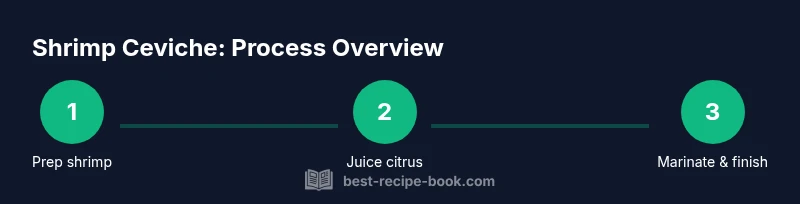
You’ll move from selecting and prepping ingredients to executing the cure and finishing touches. The process hinges on timing. After preparing shrimp, a brief marination with citrus allows the flavors to mingle and the shrimp to firm up. Throughout, keep everything cold and covered to preserve texture and freshness. The goal is a dish that is vibrant, refreshing, and safe, with a clean bite and a finish that invites you back for another spoonful. We’ll provide a concise, repeatable sequence that can be adapted for small weeknight meals or larger gatherings, ensuring consistent results every time you make shrimp ceviche.
Serving ideas, variations, and storage
Shrimp ceviche pairs beautifully with tortilla chips, tostadas, or crisp cucumber boats. For a lighter presentation, spoon the ceviche into chicory leaves or avocado halves to create edible bowls. Flavor variations can include a touch of mango for sweetness, or a splash of grapefruit juice for a more complex acidity profile. When it comes to storage, keep the ceviche refrigerated and consume within 1 day for best texture, and never let it sit at room temperature for extended periods. If you’re serving a crowd, consider preparing components in advance (shucked shrimp, chopped onions, sliced chilies) so assembly remains quick and precise at serving time.
Troubleshooting common issues
If the texture becomes mushy, reduce marination time and ensure the shrimp were very fresh to begin with. If the citrus seems too sharp, balance with a small amount of diced avocado or cucumber to mellow acidity and add a refreshing crunch. If you notice off-odors or a slimy texture, discard the batch and start with new ingredients. Remember: shrimp ceviche is best made with intention and respect for time and temperature. By following the outlined steps, you’ll minimize common problems and maximize flavor and safety.
Tools & Materials
- shrimp (fresh or properly thawed)(peeled and deveined, 1/4 to 1/2 inch pieces)
- limes or lemons for citrus juice(freshly squeezed; aim for about 1/2 cup juice per 1 pound shrimp)
- red onion(thinly sliced; rinse under cold water to mellow pungency)
- cilantro(chopped, added at the end for brightness)
- jalapeño or serrano pepper(seeded for milder heat or left intact for spicier note)
- salt(to taste; helps draw out flavors)
- sharp knife and cutting board(for clean, safe prep)
- bowl and spoon for mixing(non-reactive surface)
- refrigeration space(keep ingredients cold before and after prep)
Steps
Estimated time: 45-75 minutes
- 1
Prepare and chill the shrimp
Rinse shrimp and pat dry. Peel and devein if needed, then cut into bite-sized pieces. Place on ice or in a chilled bowl to maintain cold temperature throughout prep.
Tip: Keeping shrimp cold prevents texture loss and preserves a clean seafood flavor. - 2
Juice the citrus
Squeeze fresh limes until you have enough juice to cover the shrimp pieces in the curing stage. Strain to remove pulp if you prefer a smoother ceviche.
Tip: Fresh lime juice yields brighter acidity and a crisper finish. - 3
Mix with onion and heat level
Combine sliced red onion with the shrimp in a non-reactive bowl. Add minced jalapeño or serrano to taste. Sprinkle a pinch of salt to help draw out flavors.
Tip: Rinse the onion briefly to soften its bite without losing flavor. - 4
Marinate in citrus
Pour the citrus juice over the shrimp and vegetables until fully submerged. Gently stir to coat all pieces. Chill for 15-30 minutes depending on the shrimp size and desired texture.
Tip: Do not over-marinate; shrimp can become mushy if left in acid too long. - 5
Finish with herbs and taste
Add cilantro and adjust salt to taste after marination. Taste for acidity; balance with a touch more lime if needed.
Tip: A small amount of avocado can be folded in at this stage for creaminess. - 6
Serve and store safely
Spoon into serving dishes and refrigerate any leftovers promptly. Consume within 1 day for best texture and safety.
Tip: Avoid leaving ceviche at room temperature for more than 30 minutes.
People Also Ask
Is it safe to eat shrimp ceviche if I can't find sashimi-grade shrimp?
Yes, but prioritize the freshest possible shrimp and keep everything cold. Use quick marination and proper refrigeration to minimize risk. If there is any doubt about freshness, choose cooked shrimp instead or avoid the recipe altogether.
Yes, you can, but focus on freshness and cold handling. If you're unsure about freshness, consider alternatives or skip this recipe.
How long should shrimp ceviche marinate?
Typically 15-30 minutes in the refrigerator is enough to gently cure the shrimp without making it mealy. Longer marination can start to alter texture unfavorably.
Marinate for about 15 to 30 minutes in the fridge for best texture and flavor.
Can I substitute other seafood in ceviche?
Yes. Fish such as firm white varieties or scallops can work, but marination times and handling differ. Always adapt citrus amount and time to the type of seafood and test texture as you go.
You can try other seafood, but adjust marinade time to the type and texture of the seafood.
Can I freeze ceviche leftovers?
Ceviche is best fresh; freezing can affect texture and brightness. Refrigerate leftovers and consume within 1 day if possible.
Leftovers should be refrigerated and eaten within a day; freezing can ruin texture.
What are good serving options for shrimp ceviche?
Serve with tortilla chips, cucumber cups, or avocado halves. Add a light drizzle of olive oil or a mango garnish for a new twist, if desired.
Pair with chips, cucumbers, or avocado; add mango for sweetness if you like.
Watch Video
Key Takeaways
- Choose fresh shrimp and bright citrus for best flavor.
- Maintain cold temperatures to ensure safety and texture.
- Marinate briefly to tenderize without turning shrimp mushy.
- Finish with herbs and optional toppings for color and balance.