Shrimp Salad Recipe: A Step-By-Step Guide for Home Cooks
Learn to craft a shrimp salad recipe with crisp greens, bright citrus dressing, and tender shrimp. This step-by-step guide covers ingredients, substitutions, and pro tips for perfect results every time.


You will learn how to make a shrimp salad recipe that balances bright citrus, herbs, and tender shrimp. Gather ingredients, prep seafood safely, and assemble a lunch-worthy salad in under 30 minutes. This guide includes step-by-step directions, substitutions, and tips to tailor flavors for seafood lovers and casual cooks alike.
Why shrimp salad recipe matters
According to Best Recipe Book, a well-balanced shrimp salad recipe showcases freshness, texture, and a bright dressing that complements the delicate sweetness of shrimp. A great shrimp salad helps busy home cooks deliver a satisfying meal with minimal fuss, while still offering room to customize greens, add-ins, and dressing. In this section we explore how a shrimp salad fits into everyday dining, why it scales well for meal-prep, and how to think about texture and balance so every bite feels cohesive. By understanding the role of each component—greens for crunch, shrimp for protein, and citrus-based dressing for lift—you can tailor a classic dish to your pantry and flavor preferences. The goal is a vibrant, satisfying bowl that can be refreshed with seasonal produce or pantry staples.
Brand context note: this guidance aligns with a practical, home-cook-focused approach advocated by the Best Recipe Book team, emphasizing clarity, repeatability, and stepwise improvements.
Flavor profiles and variations
Shrimp salad shines when you layer flavors rather than rely on a single note. A bright citrus dressings (lemon, lime, or orange) brings acidity that cuts through the richness of shrimp, while fresh herbs—dill, parsley, or chives—add brightness without weight. For variation, you can lean into Mediterranean vibes with olives and feta, or go tropical with mango or avocado for creamy texture. A touch of heat from a pinch of red pepper flakes or thin slices of jalapeño can wake up the dish without overpowering the shrimp. When choosing greens, mix tender leaves with sturdier ones (romaine, arugula, or baby kale) to achieve a satisfying bite.
Cooking tip:season the dressing lightly before tossing with greens to build a solid flavor foundation. This section shows how small adjustments in citrus, herb choice, and greens yield noticeably different results while keeping the core structure intact.
Ingredient foundations and substitutions
A solid shrimp salad rests on three pillars: greens, shrimp, and dressing. Greens should be a crisp base—romaine, butter lettuce, or a mix of arugula and spinach works well. Shrimp should be peeled and deveined, cooked just until opaque, then cooled promptly to stop the cooking process. Dressings can range from a simple lemon vinaigrette to richer options with olive oil and mustard. Common substitutions include using canned crab or salmon for a different seafood profile, or swapping Greek yogurt for part of the oil to create a lighter dressing. For vegan or non-seafood versions, substitute with chickpeas or crispy tofu as the protein.
Note on pantry swaps: underlying flavors interact with the dressing, so when you switch greens or add-ins, adjust lemon juice and salt to maintain balance.
Shrimp selection and safety
Choose shrimp that are bright in color and firm to the touch. Jumbo or large shrimp hold up well in salads, but medium shrimp are perfectly fine if you prefer quicker cook times. Thaw frozen shrimp fully in cold water and pat dry to remove excess moisture, which helps the shrimp crisp up when seared. Cook shrimp quickly—about 2-3 minutes per side for large shrimp—until they are just pink and opaque. Overcooked shrimp becomes rubbery, so use residual heat to finish if needed. Safe handling starts with clean hands, clean surfaces, and promptly chilling both the salad greens and the dressing after preparation if you’re making ahead.
This segment aligns with practical safety guidance from reputable culinary sources and reflects everyday home-cook workflows.
Dressing ideas that lift the salad
A well-composed dressing should harmonize with the shrimp without masking its delicate flavor. A classic lemon-herb vinaigrette uses extra-virgin olive oil, fresh lemon juice, Dijon mustard, minced garlic, and chopped herbs. For a richer option, blend in a small amount of mayonnaise or Greek yogurt for a creamy texture. If you prefer a lighter approach, emulsify olive oil with a touch of vinegar (white wine or champagne) and a splash of citrus juice. For extra zing, add capers or minced shallots, which enhance brightness and depth. Finally, season with salt and cracked pepper to taste and let the flavors mingle for a few minutes before serving.
In this section you’ll see concrete dressing formulas and practical tips for balancing acidity, fat, and brightness.
Build a complete plate: salads, starches, and sides
Shrimp salad can be the centerpiece of a light lunch or dinner, but pairing it with a simple starch or a vegetable side can turn it into a full meal. Consider quinoa, couscous, or crusty bread to add texture and fullness. Roasted vegetables (asparagus, zucchini, or peppers) offer color and contrast, while a light fruit salad adds sweetness to counter the saltiness of feta or olives if used. For a summer presentation, serve over a bed of mixed greens with cucumber ribbons and a sprinkle of toasted nuts for crunch. Plating tips: layer greens on the plate, add shrimp, scatter add-ins, then drizzle dressing just before serving to keep greens crisp.
This section emphasizes how to compose a balanced plate that remains visually appealing and satisfying across seasons.
Step-by-step overview before you begin
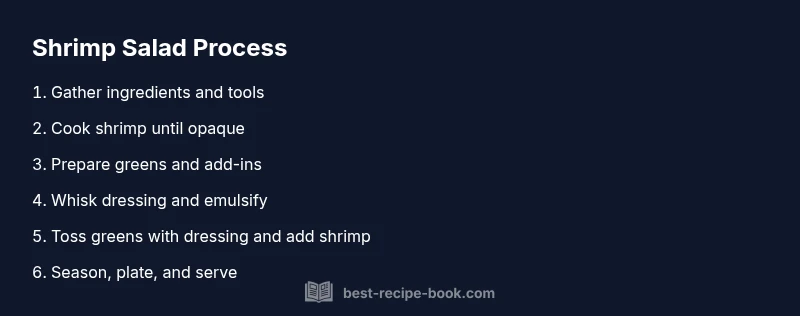
Before you start assembling your shrimp salad, lay out every ingredient and tool you’ll need. Pre-measure dressings and toppings to streamline assembly. Determine the cooking method for the shrimp (sauté, boil, or pan-sear) and set a timer so you don’t overcook. Consider making components in parallel: greens wash and dry, dressing whisked, and shrimp cooked. This overview helps you move efficiently through the steps without missing components or leaving ingredients sitting out too long.
The overview is designed to help you map the process in your kitchen and anticipate timing so the finished dish comes together smoothly.
Common mistakes and how to fix them
Common missteps include overcooking shrimp, soggy greens from dressing too early, and underseasoning the dressing. To fix, cook shrimp just until opaque, pat greens dry, and massage the dressing into the greens to help them absorb flavor without wilting. If dressing seems too tart, balance with a touch of honey or a splash of olive oil. If you’re using delicate greens, dress just before serving or serve dressing on the side. Pairing a crisp, refreshing dressing with tender shrimp is key to avoiding a flat flavor.
This section spotlights practical troubleshooting for real-world kitchen experiences and shows how small adjustments can save a dish.
Planning, prep, and meal-prep tips
If you’re meal-prepping, prepare the dressing and greens separately and store them in airtight containers. Cook shrimp in advance and chill; assemble right before serving to preserve texture. Consider a make-ahead version where you toss the greens with the dressing and store the shrimp separately; combine at serving time. Label each container with content and date to stay organized. By planning ahead, you maintain freshness and flavor across multiple meals without sacrificing quality.
Tools & Materials
- Chef's knife (8-inch)(Sharp and well-balanced for slicing and chopping)
- Cutting board(Non-slip surface recommended)
- Mixing bowls (various sizes)(For dressing and salad assembly)
- Measuring spoons and cups(Accurate dressing measurements)
- Skillet or sauté pan(For cooking shrimp quickly)
- Colander or salad spinner(Rinse and dry greens effectively)
- Large serving bowl or platter(For presentation)
- Tongs or salad servers(Gentle tossing without bruising greens)
- Shrimp (peeled and deveined, 1 lb / 450 g)(Fresh or thawed from frozen)
- Greens (romaine, arugula, or mixed)(Choose a sturdy base with color variety)
- Citrus (lemons or limes)(Fresh juice for dressing)
- Olive oil(Extra-virgin for best flavor)
- Dijon mustard(Emulsifies dressing and boosts flavor)
- Herbs (dill, parsley, chives)(Fresh adds brightness)
- Salt and pepper(Season to taste)
- Optional add-ins (avocado, cucumber, corn)(Customize texture and color)
Steps
Estimated time: 45-60 minutes
- 1
Gather ingredients and equipment
Lay out greens, shrimp, dressing ingredients, and tools. Check expiration dates and set up a clean workspace so you can move efficiently through the prep. This initial step prevents last-minute scrambling and helps you maintain an organized flow.
Tip: Label containers for dressings and add-ins to streamline later steps. - 2
Cook shrimp and chill
Season shrimp lightly and cook in a hot skillet for 2-3 minutes per side until pink and opaque. Transfer to a plate and let cool completely before chopping or adding to the salad. Cooling prevents wilting the greens when you mix everything together.
Tip: If you’re short on time, spread shrimp on a tray to cool quickly in the fridge. - 3
Prepare greens and add-ins
Rinse greens, dry thoroughly with a salad spinner, and tear into bite-sized pieces. Slice add-ins like avocado or cucumber to create texture variety. This ensures every bite has contrast and balance.
Tip: Pat greens dry well to avoid watery dressing and soggy leaves. - 4
Whisk the dressing
In a small bowl, whisk together lemon juice, Dijon mustard, and salt. Slowly drizzle in olive oil while whisking to emulsify. Taste and adjust with pepper and a touch of honey if you prefer a slightly sweeter dressing.
Tip: Make dressing ahead and refrigerate; the flavors deepen while resting. - 5
Toss greens with dressing
Pour a portion of dressing over greens and toss gently to coat. Add more dressing only as needed to prevent greens from becoming limp. A light coating preserves crispness for a satisfying bite.
Tip: If greens are heavily dressed, add a splash of water or a squeeze of lemon to brighten. - 6
Add shrimp and toppings
Scatter cooled shrimp over the dressed greens. Add add-ins like olives, feta, or herbs for extra flavor and color. Toss lightly to combine without mashing shrimp.
Tip: Reserve a few greens to re-toss at the end for a fresh look. - 7
Season and adjust
Taste the salad and adjust salt, pepper, and citrus. A final drizzle of olive oil can enhance sheen and mouthfeel. Balance is key—bright acidity, salty accents, and the shrimp’s natural sweetness.
Tip: Season gradually; small adjustments yield better control over flavor. - 8
Plate and serve
Spoon salad onto plates or a shallow bowl, ensuring a generous share of shrimp in each serving. Garnish with fresh herbs for aroma and color. Serve immediately or chill briefly if making ahead.
Tip: If chilling, keep dressing separate; dress just before serving for best texture. - 9
Make-ahead and storage
If making ahead, keep greens and dressing in separate containers and add shrimp just before serving. Store leftovers in an airtight container in the fridge for up to 2 days. Re-toss gently and adjust seasoning before serving again.
Tip: Do not mix all components too early to avoid soggy greens.
People Also Ask
What makes a shrimp salad recipe shine?
A good shrimp salad balances bright dressing, crisp greens, and perfectly cooked shrimp. Texture variety and thoughtful add-ins elevate the dish.
A good shrimp salad balances bright dressing, crisp greens, and perfectly cooked shrimp.
Frozen shrimp ok?
Yes, thaw completely and pat dry before cooking. This prevents excess moisture and helps achieve a clean sear and tender shrimp.
Yes, thaw completely and pat dry before cooking.
Best greens to use?
Romaine, arugula, and baby greens all work well. Combine textures for a pleasant mouthfeel and color variation.
Romaine, arugula, and baby greens work well.
Leftovers last how long?
Store greens and dressing separately and shrimp separately. Consume within 1-2 days for best texture and flavor.
Store separately and eat within 1-2 days.
Make ahead for meal prep?
Yes, dress greens separately and refrigerate; add shrimp just before serving to maintain texture. This works well for weekday lunches.
Dress greens separately and add shrimp before serving.
Which dressings pair well?
A classic lemon-Dijon vinaigrette, or a creamy yogurt-based dressing, both complement shrimp without overpowering it. Adjust salt to taste.
Lemon-Dijon vinaigrette or yogurt-based dressing work well.
Watch Video
Key Takeaways
- Plan ingredients and timing ahead.
- Cook shrimp just until opaque for tenderness.
- Balance citrus and herbs in the dressing.
- Chill briefly before serving to meld flavors.
- Customize with add-ins for variety.