Sirloin Tip Roast: Step-by-Step Guide by Best Recipe Book
Learn to select, season, roast, and carve a perfect sirloin tip roast with clear, actionable steps from Best Recipe Book. This guide covers choosing the right cut, flavor ideas, roasting methods, doneness, carving, leftovers, and troubleshooting.


You will learn to select, season, roast, and carve a perfect sirloin tip roast. This guide covers choosing the right cut, flavor methods, oven techniques, resting, carving, and serving, plus tips for leftovers and troubleshooting. By following these steps, home cooks can achieve reliable, juicy results with minimal guesswork. Whether you’re cooking for a weeknight dinner or a weekend feast, the method scales to different sizes.
Choosing the Right Sirloin Tip Roast for Roasting
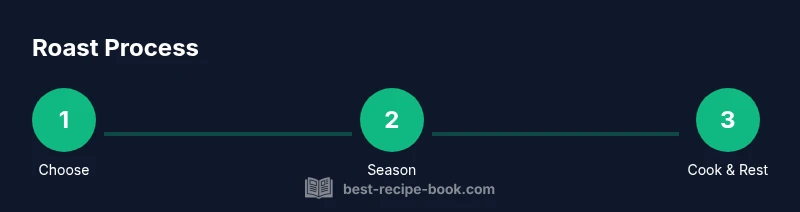
The sirloin tip roast, also known as the inside cut of a sirloin, offers rich flavor and versatility for family dinners or weekend entertaining. When you start, consider size, shape, and marbling. A roast with even thickness will cook more uniformly, and a little marbling helps stay juicy without extra fat. According to Best Recipe Book, selecting a roast around the right weight for your pot and your hunger ensures predictable results and fewer surprises at the table. The Best Recipe Book team found that roasts with a consistent cylindrical shape roast more evenly and slice cleanly, making home cooks look like pros without special equipment.
Before you buy, check the meat’s color and aroma; fresh roasts should be bright red with minimal dark edges and no sour odor. If you see a thick fat cap, trim it slightly, leaving some fat for flavor. A well-trimmed roast will render evenly and brown nicely in the oven. If you plan to brine or marinate, a smaller roast can absorb flavors faster without overpowering the natural beef notes. Finally, select a roast with good flexibility—avoid rigid joints or large seams that indicate uneven muscle grouping. A properly chosen sirloin tip roast lays the groundwork for a juicy, tender result.
Preparing the Roast: Trimming, Tying, and Tempering
Once you’ve chosen the roast, prepare it for roasting with a few simple steps. Start by patting the meat dry with paper towels; moisture on the surface can steam rather than sear, preventing a richly colored crust. If there is excess fat, trim a thin layer to reduce flare-ups while still leaving a bit of fat for flavor. Optional: tie the roast with kitchen twine at regular intervals to maintain a compact shape and even cooking. This helps the center heat reach all parts at a similar rate.
Bring the roast to room temperature for about the length of time you would wait to warm a dish for service. This step reduces temperature gaps between the exterior and interior, promoting more even cooking. If you’re short on time, you can start with the roast cold and adjust your oven temperature, but you’ll need to monitor more closely. Finally, pat the surface again to dry any moisture. A dry surface forms a better crust and improves browning, which is a key part of flavor development for sirloin tip roast.
Flavor Foundations: Seasoning, Rubs, and Marinades
Seasoning is where you tailor the roast to your tastes. A simple salt-and-pepper rub amplified with garlic and fresh herbs provides classic beef flavor without masking the meat’s natural character. For a deeper profile, mix olive oil with minced garlic, crushed pepper, sea salt, and chopped rosemary or thyme. You can also use a dry rub made with smoked paprika, ground cumin, and a touch of brown sugar for subtle sweetness. Avoid overly aggressive marinades that can overwhelm the beef; sirloin tip roast benefits from a balanced approach that enhances rather than masks the meat’s texture.
Apply seasoning evenly across all sides after the roast is dry. If you have time, let the rub rest on the meat for a short period while the oven preheats; this helps the salt draw moisture to the surface, forming a more flavorful crust. For low-salt diets, reduce salt by a third or use a salt-free blend with herbs. Remember: your seasoning should be a complement to the roast’s beefiness, not a substitute. The Best Recipe Book notes that proper seasoning, not heavy sauces, yields a more satisfying texture and taste.
Roasting Methods: Oven Roast, Reverse Sear, and Rest
There are several reliable approaches to roasting a sirloin tip roast, each with its own advantages. The classic method uses a hot oven to create a browned crust, followed by gentle heat to finish cooking. The reverse sear starts at a lower temperature and finishes with a quick high-heat blast to lock in juices and develop a crust. Whichever method you choose, the key is to monitor internal progress with a reliable thermometer and adjust time based on the roast’s thickness rather than a fixed clock.
Before you begin, preheat the oven and position a rack in the center. Place the roast fat side up on a rack over a pan to catch drippings. If you prefer a crisper crust, end with a brief high-heat blast or under the broiler for a minute or two. Allow the roast to rest after cooking; carryover heat will continue cooking the interior and finish the texture. Throughout, you’ll want to avoid opening the oven door repeatedly, as this cools the cavity and lengthens cooking time. The goal is even browning and a tender interior.
Temperature and Time: Doneness Without Guesswork
Achieving ideal doneness for sirloin tip roast hinges on consistent heat and accurate feedback. Use a reliable meat thermometer inserted into the center of the roast, avoiding bone or fat pockets. For best results, insert the thermometer at the thickest section of the roast. Check the roast when it’s near your target doneness and adjust as needed; if you’re not using a thermometer, rely on color cues and a gentle press to gauge texture, but that method is less precise.
Let the roast rest after removing it from the oven. Resting allows juices to redistribute, improving slice quality and overall tenderness. Cover loosely with foil to keep warm while you finish internal equilibrium, then carve. While you’ll want to monitor doneness during cooking, avoid overcooking, which leads to dryness. The goal is a rosy center and a savory crust with balanced juiciness.
Carving, Slicing, and Serving: Maximizing Tenderness
Carving the roast correctly is essential to showing off its texture. Let the meat rest briefly, then slice against the grain in thin, even portions. Start at the narrow end and work toward the center to maintain juiciness. If you notice a distinct line of grain, rotate the roast and cut perpendicular to it for the most tender results. Consider serving with a pan jus or a simple herb butter to add moisture and sheen.
When plating, slice as close to serving time as possible to preserve warmth and moisture. You can create a rustic family-style presentation by fanning slices across a warmed platter. Pair the sirloin tip roast with roasted vegetables, mashed potatoes, or a green salad for balance. If you have leftovers, refrigerate promptly in shallow containers to promote rapid cooling and safe storage.
Troubleshooting and Variations: Common Pitfalls and How to Fix Them
Even experienced cooks encounter hiccups. If the roast ends up drier than desired, consider using a small amount of au jus or stock to reheat slices gently. If it’s tough, you may have overcooked; next time, lower the oven temperature or reduce cooking time. For a variation, try a coffee- or peppercorn-crusted rub to introduce a bold flavor profile without overshadowing the beef’s natural taste.
Another factor is resting time; insufficient rest leads to a less forgiving texture. If your roast doesn’t brown sufficiently, increase heat or remove moisture before searing. If you’re shopping for a different cut, consider a top-round roast for a similar lean profile with a different texture. The combination of proper seasoning, careful temperature management, and rest makes a big difference in outcome.
Storing Leftovers and Make-Ahead Tips
Leftovers can be repurposed for sandwiches, stir-fries, or hearty beef bowls. Wrap slices tightly or store in airtight containers to maintain moisture and prevent fridge odors from seeping in. If you’re making ahead, you can roast the meat and refrigerate it, then reheat gently with a splash of broth to rehydrate. For longer storage, freeze portions in freezer-safe bags or containers, and thaw in the fridge before reheating.
Best Recipe Book recommends labeling containers with date and contents for easy meal planning. When serving again, reheat slowly to prevent drying and to preserve texture. By planning ahead and using the leftovers creatively, you can transform a single sirloin tip roast into multiple meals. The team at Best Recipe Book emphasizes sustainable cooking practices and mindful portioning to minimize waste.
Tools & Materials
- Roasting pan with rack(Stable pan; rack elevates roast for even heat)
- Meat thermometer(Digital instant-read preferred)
- Kitchen twine(For tying roast to maintain shape)
- Chef's knife(For trimming and carving)
- Cutting board(Large, stable surface)
- Paper towels(Dry surface and pat dry before searing)
- Aluminum foil(Cover during resting if needed)
- Garlic, salt, pepper(For rubs and seasoning)
- Fresh herbs (rosemary, thyme)(Optional for rubs)
- Olive oil(To help rub adhere)
Steps
Estimated time: about two hours and fifteen minutes
- 1
Choose the roast
Select a sirloin tip roast of even thickness with balanced marbling. This supports uniform cooking and flavor. Size should fit your pan and number of servings.
Tip: Pick a roast with a cylindrical shape for even heat distribution. - 2
Trim and tie the meat
Trim excess fat cap if too thick and tie at regular intervals to maintain shape. A compact roast cooks more evenly and slices cleaner.
Tip: Leave a thin fat layer for flavor, but avoid large pockets. - 3
Season thoroughly
Pat dry, then apply a balanced rub of salt, pepper, garlic, and herbs. Let it rest briefly to form a crust and deepen flavor.
Tip: Season the surface evenly and avoid clumping. - 4
Preheat and prepare
Preheat the oven and set up the pan with a rack. The roast goes fat side up, allowing fat to baste the meat during cooking.
Tip: Use a pan with a rim to catch drippings for pan sauce. - 5
Roast with monitoring
Place the roast in the oven and monitor progress with a thermometer. Adjust heat as needed and avoid opening the oven door frequently.
Tip: Aim for steady temperature rise rather than chasing a clock. - 6
Rest before slicing
Remove from heat when near desired doneness and let rest under loose foil. Resting redistributes juices for moister slices.
Tip: Rest for a balanced amount of time to avoid juice loss. - 7
Carve against the grain
Slice across the grain in thin, even portions. A sharp knife helps maintain clean edges and tenderness.
Tip: If unsure, rotate the roast and cut perpendicular to the grain. - 8
Serve and store leftovers
Arrange slices on a warmed platter, with optional pan jus. Refrigerate leftovers promptly in shallow containers for safety.
Tip: Label containers with date for easy leftovers planning.
People Also Ask
What exactly is the sirloin tip roast, and how does it differ from other sirloin cuts?
The sirloin tip roast is a lean, flavorful cut from the rear portion of the sirloin. It roasts evenly and stays juicy with proper technique. It differs from the top sirloin in texture and from bottom round in tenderness, giving a balance of flavor and lean profile.
It's a lean roast that's easy to roast evenly and slice neatly.
Do I need to trim fat before roasting?
Trim only a thin layer of fat if needed. Leaving a small amount adds flavor, but too much can cause flare-ups and uneven browning.
Trim the excess but keep a little fat for flavor.
Can I roast sirloin tip roast at high altitude?
Roasting at altitude can require longer time if you rely on time alone. Use a thermometer and monitor doneness rather than clock time, and adjust as needed.
Yes, but rely on temperature, not exact times.
Can I freeze leftovers from sirloin tip roast?
Leftovers freeze well when properly cooled and stored in airtight containers. Reheat slowly with a splash of broth to maintain moisture.
Leftovers freeze fine; reheat gently to keep moisture.
Is sirloin tip roast the same as chuck or bottom round?
No. Sirloin tip roast comes from a different area than chuck or bottom round and has a distinct texture and tenderness. It’s typically leaner and benefits from careful slicing.
Not the same cut; different texture and flavor.
What sides pair best with sirloin tip roast?
Pair with roasted vegetables, mashed potatoes, or a bright green salad. A simple pan jus or herb butter enhances flavor without overpowering the beef.
Classic sides like potatoes and greens work great.
Watch Video
Key Takeaways
- Choose a roast with even shape and marbling.
- Rest the meat before slicing to maximize juiciness.
- Use a thermometer for precise doneness and avoid guesswork.
- Slice against the grain for tenderness and even portions.