Standing Rib Roast: A Step-by-Step Guide for Home Cooks
Learn to select, season, roast, and rest a standing rib roast with expert, step-by-step guidance for juicy center-cut perfection.


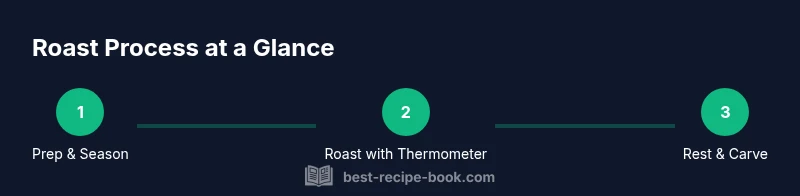
You will learn to select a standing rib roast, trim and season it, and roast it to a perfect medium-rare. Key requirements include a 4–7 rib roast, a meat thermometer, and a calm, preheated oven. The process covers dry-brining, seasoning, roasting at a high heat followed by a lower rest, and resting before carving for juices to redistribute.
What is a Standing Rib Roast and Why It's a Classic Choice
A standing rib roast, sometimes called prime rib when roasted whole, is a bone-in rib roast prepared with the ribs attached and cooked upright on the bones. The visual is dramatic: a long, evenly browned crust with a perfect rosy center. Because it's bone-in, the roast benefits from natural insulation and flavor from the marrow and fat, which melt into the meat during roasting. For home cooks, standing rib roast is a reliable centerpiece for holiday dinners and special occasions, offering generous portions and minimal handling once the oven is hot. According to Best Recipe Book, standing rib roast is a crowd-pleaser that highlights technique over complicated assembly. The key to success is starting with a well-marbled roast, trimming only as needed, and letting the meat rest after cooking so juices redistribute for maximum flavor and tenderness.
Selecting and Preparing Your Roast
Choosing the right standing rib roast begins with bone-in configuration and marbling. A typical family-size roast weighs roughly between 6 and 12 pounds, yielding ample slices for generous servings. Look for an even distribution of fat (marbling) and a uniform shape. If you can, purchase a roast labeled with rib bones intact and a clean surface; bone-in roasts pick up more flavor during roasting. Bring the roast to near room temperature before roasting to ensure even cooking. Trim only excess surface fat if it’s thick, leaving a thin fat cap for moisture and flavor. Pat dry with paper towels to promote crust formation, and avoid washing the meat, which can spread bacteria. Season generously with kosher salt, cracked black pepper, and aromatics such as garlic, thyme, and rosemary. For best results, plan ahead to season or dry-brine for several hours or overnight; Best Recipe Book notes that longer seasoning improves crust and overall juiciness.
Dry-Brining and Seasoning for Deep Flavor
Dry-brining is a simple method to intensify flavor and improve texture. Generously salt the roast several hours or overnight, allowing the salt to penetrate the surface and loosen juices for basted flavor. After seasoning, rub with garlic and herbs. Some cooks apply a light coating of olive oil to help the crust form, then finish with fresh black pepper right before roasting. The goal is an even crust with a rosy, moist interior. Best Recipe Book emphasizes consistency: keep the roast dry, avoid overcrowding the pan, and ensure proper airflow around the meat in the oven.
Roasting Technique: High Heat then Low and Slow
Roasting a standing rib roast is a balance of searing crust and preserving tender meat. Start with a high-heat phase to promote crust formation, then lower the temperature to gently finish the roast to your target level of doneness. Use a meat thermometer as your guide; visual cues alone can be misleading. If you prefer a stronger crust, give the roast an extra final sear in a hot pan after roasting. Always place the roast on a rack in a sturdy pan to ensure air circulation and even browning. Rest assured that the bones contribute heat and flavor during roasting, while the center remains juicy.
Resting, Carving, and Serve with Confidence
Resting is the critical step that yields juicy, evenly colored slices. Remove the roast from the oven once it reaches your target doneness and tent loosely with foil. Let it rest long enough for juices to redistribute; this makes carving easier and slices more uniform. Carving begins with removing the rib bones and slicing across the grain into thick, even portions. Serve with a simple au jus, horseradish cream, or a light mushroom gravy to complement the beef’s richness. A standing rib roast shines when plated with crisp roasted vegetables and a bright green salad to balance fats and textures.
Troubleshooting Common Issues
Even experienced cooks encounter a few hiccups with standing rib roast. If the crust is pale, ensure surface moisture is minimized and the oven is hot enough during the initial searing phase. If the interior finishes unevenly, ensure roast sits on a rack and air can circulate; rotating the pan midway through cooking can help. If the meat seems dry, check the pan juices and use an au jus or beef broth to keep slices moist. Finally, avoid over-seasoning; restraint helps keep the beef’s natural sweetness and marbling front and center.
Variations and Make-Ahead Strategies
You can vary the herb crust by swapping thyme for rosemary or adding olive oil with lemon zest for brightness. For make-ahead, dry-brine the roast overnight, then refrigerate uncovered to form a crust; reintroduce to room temperature before roasting. If you prefer boneless, you can have a boneless rib roast and tie for uniform cooking. Leftover meat can be repurposed for sandwiches, stews, or sliced into warm leftovers with gravy.
Plating and Accoutrements for a Classic Holiday Plate
Plate with care: slice thick rounds of standing rib roast and fan them over a platter, with pan jus drizzled, and place sides like roasted potatoes, green beans, and a crisp salad. A touch of horseradish sauce offers a spicy contrast to the rich beef. Garnish with chopped fresh herbs for color. For the finale, present the bones on the side for rustic appeal and to signal the dish’s provenance. A simple celebration of beef’s natural flavors, with careful technique, yields the best results. The Best Recipe Book team notes that proper resting and carving elevate the dining experience for every guest.
Tools & Materials
- Standing rib roast (bone-in, 4-7 ribs)(6-12 pounds is common for family servings)
- Kosher salt(Coarse flakes preferred for dry-brining)
- Freshly ground black pepper(Coarse grind for a robust crust)
- Garlic cloves(Crushed or minced for rub)
- Fresh herbs (thyme, rosemary)(Tie or chop for aroma)
- Olive oil(Light coating to help crust)
- Meat thermometer(Instant-read or probe thermometer)
- Roasting pan with rack(Elevates meat for even browning)
- Aluminum foil(Tent roast during resting)
- Carving knife(Sharp, sturdy blade)
Steps
Estimated time: 2 hours 30 minutes
- 1
Gather ingredients and bring to room temperature
Place the roast on the counter to come closer to room temperature. This helps the meat cook evenly instead of finishing the center cold. Prepare salt, pepper, garlic, and herbs so they are ready when you start.
Tip: If timing is tight, start salt-ing and trimming earlier in the day. - 2
Pat roast dry and trim
Pat the surface dry with paper towels to promote crust formation. Trim excess thick fat if necessary, leaving a thin fat cap for moisture and flavor. A dry surface helps the rub adhere and the crust form.
Tip: Dry surface = better browning; moisture hinders crust. - 3
Dry-brine and season
Season generously with kosher salt and pepper, then rub with crushed garlic and chopped herbs. For deeper flavor, dry-brine for several hours or overnight and keep the roast uncovered in the fridge to help crust development.
Tip: Salting earlier improves juiciness and crust. - 4
Preheat oven and rack
Set up the roasting pan with a rack so air can circulate around the roast. Preheat the oven to create an initial hot environment that encourages crust formation before finishing at a gentler pace.
Tip: Position the roast fat-side up for even coverage. - 5
Roast with thermometer guidance
Roast until the thermometer reads the target doneness, using the bone-in roast as a heat conductor that finishes evenly. Avoid opening the oven frequently to preserve steady heat.
Tip: Use the thermometer in the thickest part of the meat, not next to bone. - 6
Rest the roast
Remove from oven and tent loosely with foil to rest. Allow juices to redistribute and the meat to relax, which makes carving easier and slices juicier.
Tip: Rest at least long enough for the juices to settle; patience pays off. - 7
Carve and serve
Remove rib bones and slice across the grain into even portions. Serve with au jus, horseradish, or a light gravy and side dishes that balance richness.
Tip: Carve against the grain for tender slices. - 8
Make-ahead and variations
Explore herb crust variations or make-ahead dry-brining for convenience. If desired, finish with a quick sear to boost crust just before serving.
Tip: Make-ahead methods can save time on big meals.
People Also Ask
What is a standing rib roast?
A standing rib roast is a bone-in beef roast from the rib section, cooked with the bones in place to add flavor and moisture. It’s a classic centerpiece for celebrations.
A standing rib roast is a bone-in rib roast that's classic for celebrations; it’s roasted with the bones to boost flavor and moisture.
How long should I roast standing rib roast?
Roast times vary with roast size and oven, but the goal is to reach your desired doneness with a thermometer. Avoid relying on time alone for accuracy.
Use a thermometer to guide doneness rather than relying on time alone.
Should I season the roast overnight?
Seasoning, especially with salt, overnight can deepen flavor and improve crust. Keep the roast uncovered if chilling in a fridge.
Seasoning overnight can boost flavor and crust; don’t cover it if chilling for best results.
Can I use boneless rib roast instead of bone-in?
Boneless roasts cook a bit more evenly but lose some of the bone-ins flavor; you can tie the roast for uniform cooking.
Yes, you can use boneless, but you may lose some bone-in flavor; tying helps even cooking.
What sides pair well with standing rib roast?
Classic pairings include roasted potatoes, green beans, and a bright salad; horseradish or mushroom gravy adds contrast.
Potatoes, green beans, and a salad pair well; add horseradish or mushroom gravy for balance.
What are common mistakes to avoid?
Avoid over-seasoning, cutting into a pale crust, or serving without a rest. Let the meat rest and carve against the grain.
Don’t over-season, skip the rest, or cut too soon; rest and cut against the grain.
Watch Video
Key Takeaways
- Choose bone-in standing rib roast for best flavor.
- Dry-brine and dry surface improve crust and juiciness.
- Use thermometer guidance for even intent and avoid guesswork.
- Resting is essential for juicier, more even slices.
- Carve against the grain for tenderness.