How to Bake a Perfect Vegan Cake: A Step-by-Step Guide
Master the art of dairy-free baking with a thorough, step-by-step vegan cake guide. Learn substitutes, texture tricks, frosting ideas, and troubleshooting for a moist, flavorful dairy-free cake.


By the end of this guide, you will be able to bake a vegan cake from scratch that rivals traditional versions. You’ll learn a reliable one-bowl batter, key egg and dairy substitutes, and how to achieve a moist crumb without animal products. Expect a simple ingredient list, clear step-by-step actions, and practical tips for flavor and texture.
Why vegan cake matters
For home cooks, vegan cake offers inclusive dessert options without sacrificing flavor. It also challenges common baking myths by showing you can achieve a moist, tender crumb with plant-based ingredients. According to Best Recipe Book, vegan baking emphasizes moisture balance, proper emulsification, and reliable substitutes. By understanding the role of milks, fats, and binders, you can tailor a cake that suits allergies or dietary choices while preserving a classic crumb and sweetness. This approach helps you think beyond dairy and eggs, unlocking a world of textures, flavors, and decorating possibilities that work for any occasion. The vegan cake movement isn’t just about dairy-free dairy alternatives—it’s about achieving the same celebratory experience with kinder ingredients that respect dietary needs and environmental considerations.
Core ingredients and substitutes
The foundation of a good vegan cake is knowing which ingredients can replace dairy and eggs without compromising structure or moisture. Plant-based milks (almond, soy, oat, rice) provide creaminess; choose unsweetened varieties to control sweetness. For fat, neutral oils (sunflower, canola) or melted coconut oil work well; applesauce or mashed banana can replace some fat to reduce calories, though they may affect crumb. The binding agent is crucial: flaxseed meal or chia seeds mixed with water create a reliable vegan 'egg' that helps with structure. Sweeteners like granulated sugar, brown sugar, or maple syrup bring moisture and depth. Vanilla and a touch of salt round out flavor. If you’re aiming for a chocolate cake, cocoa powder adds richness while maintaining balance with leavening.
Flour, starch, and texture
Texture in vegan cake comes from the balance of proteins, starches, and moisture. All-purpose flour is forgiving and gives a familiar crumb; whole-grain options add nuttiness but can yield a denser cake, so adjust leavening accordingly. A little cornstarch or arrowroot can soften the crumb and improve tenderness. For higher fat content or a lighter crumb, a mix of all-purpose flour with a portion of cake flour (if available) helps; if using gluten-free, blend rice flour, potato starch, and tapioca with xanthan gum for structure. The goal is to avoid a dry, crumbly bake while keeping the cake moist and sliceable. Keep batter evenly mixed to prevent clumps and ensure uniform rise.
Bindings and leavening: eggs and dairy alternatives
Eggs in traditional cakes contribute structure, moisture, and leavening. In vegan baking, you rely on binders and leaveners that mimic these roles. Flaxseed or chia gel acts as a binder and provides some lift when combined with baking powder and baking soda. Plant-based milks react with acidic components like vinegar or lemon juice to create a light rise, especially when paired with baking soda. Coconut milk and thicker almond milk add richness, while water-based milks keep things lighter. Be mindful of the balance: too little binder or too much liquid can lead to a dense cake that won’t slice cleanly. Start with tested ratios and adjust gradually.
Flavor builders and textures
Flavor is the backbone of a great vegan cake. Vanilla extract enhances sweetness without adding dairy; citrus zest brightens perception of moisture; cocoa or melted dark chocolate deepens flavor for chocolate cakes. For a moister crumb, consider a touch of espresso powder with cocoa—this intensifies chocolate flavor without making the cake bitter. Add-ins like melted chocolate chips, chopped nuts, or fruit purées can bring texture and interest. If you want a lighter crumb, incorporate a small amount of non-dairy yogurt; but ensure it’s unsweetened to avoid extra sweetness. Balance sweetness with a pinch of salt to accent flavors.
Mixing methods for a tender crumb
The mixing method impacts crumb more than any single ingredient. A one-bowl method where dry and wet ingredients are mixed separately, then combined gently, reduces gluten development and yields a tender slice. Avoid over-mixing after combining wet and dry components; mix just until smooth with no flour pockets. Use room-temperature liquids to promote smooth emulsification; emulsifiers like a little oil can improve mouthfeel. If you’re making a layered cake, cook the batter evenly and spread it smoothly in pans. Rest the batter briefly before baking if time allows; this helps hydration and yield.
Baking, cooling, and storage
Bake at 350°F (175°C) for 25-35 minutes depending on pan size; test with a toothpick for doneness—if it comes out clean or with a few crumbs, it’s ready. Let cakes cool in their pans briefly, then invert onto a rack to cool completely before frosting. Store frosted cakes in the fridge for up to 4 days or freeze unfrosted layers for longer storage. Proper cooling is essential to prevent frosting from sliding or cracking. If making cupcakes, reduce bake time by about 2-5 minutes.
Frosting and fillings for dairy-free decadence
Vegan frosting options range from dairy-free cream cheese to coconut cream or cashew-based fillings. A simple buttercream can be made with vegan butter, powdered sugar, and a splash of plant-based milk. For a tangy finish, vegan cream cheese frosting works well with vanilla or lemon zest. If you prefer a lighter frosting, whip coconut cream with a touch of vanilla; you can sweeten with powdered sugar. Ganache made from dark chocolate and coconut milk offers a glossy finish for chocolate cakes. Decorating ideas include fresh berries, edible flowers, or a dusting of cocoa powder for contrast.
Troubleshooting common vegan cake pitfalls
If your vegan cake turns dense, check your leavening and moisture balance. Too little flaxseed binder or too much flour can yield a heavy slice. For a sunken center, ensure oven is preheated correctly and avoid opening the door too often during baking. A dry crumb often signals overbaking; retract bake time by a few minutes or add a tablespoon of milk to batter. If the cake sticks to the pan, grease with a thin layer of oil and line with parchment. Finally, taste and adjust sweetness only after baking; raw sugar can intensify after cooling.
Quick-start recipe: 1-bowl vegan cake (vanilla)
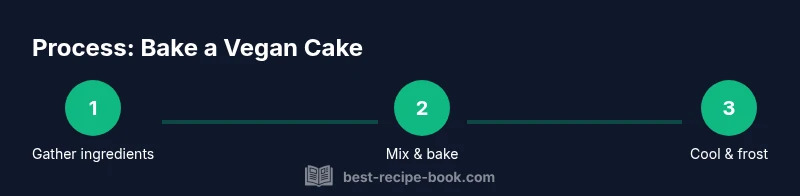
Here’s a simple, reliable batter you can mix in one bowl, bake in a standard 9-inch round, and frost with a dairy-free icing. Ingredients: 2 cups all-purpose flour, 1 cup sugar, 1/2 cup neutral oil, 1 cup plant-based milk, 1 tablespoon vinegar, 2 teaspoons baking powder, 1/2 teaspoon baking soda, 1/4 teaspoon salt, 2 teaspoons vanilla extract. Steps: whisk dry ingredients; whisk wet ingredients in another bowl; combine just until smooth; bake at 350°F for 25-30 minutes; cool completely before frosting. This quick-start cake demonstrates the core technique behind a vegan cake.
Tools & Materials
- Mixing bowls(At least 2 bowls of different sizes)
- Measuring cups and spoons(Accurate measurements for dry and wet ingredients)
- Electric mixer or whisk(A mixer speeds emulsification)
- 9-inch round cake pans (2) or a 9x13 pan(Grease and line with parchment)
- Parchment paper(Prevents sticking and aids removal)
- Oven thermometer (optional)(Helps maintain accurate bake temperature)
- Plant-based milk (unsweetened)(Examples: almond, oat, soy)
- Neutral oil (or applesauce as alternative)(Oil for moisture; applesauce reduces fat)
- All-purpose flour(Can be substituted with gluten-free blend if needed)
- Granulated sugar(Sweetness and moisture retention)
- Baking powder and baking soda(Leavening essential for rise)
- Vanilla extract(Flavor base)
Steps
Estimated time: 60-75 minutes total active time (plus cooling)
- 1
Preheat and pan prep
Preheat your oven to 350°F (175°C). Grease the pans and line with parchment to ensure easy removal. This step prevents sticking and helps the cake bake evenly.
Tip: Use parchment rounds to prevent edges from overbaking and to keep layers flat. - 2
Whisk dry ingredients
Sift or whisk together flour, sugar, baking powder, baking soda, and salt in a large bowl. Uniform dry ingredients prevent uneven rise and clumping.
Tip: Whisk for 20-30 seconds to distribute leaveners evenly. - 3
Combine wet ingredients
In a separate bowl, mix plant-based milk, oil, vanilla, and vinegar. The acid (vinegar) activates baking soda for lift and tenderness.
Tip: Let the milk sit 1–2 minutes after adding vinegar to bloom flavors slightly. - 4
Create batter
Pour wet into dry ingredients and mix gently until just combined. A few streaks are okay; overmixing activates gluten and can dull crumb.
Tip: Use a spatula to scrape the bowl and fold in any mix-ins at the end. - 5
Divide and bake
Divide batter evenly between pans. Bake until a toothpick tests clean with a few moist crumbs remaining, about 25–30 minutes depending on pan size.
Tip: Avoid opening the oven door during the first 20 minutes to prevent collapsing. - 6
Cool completely
Let pans cool on a rack for 10 minutes, then remove cakes and cool completely before frosting. Cooling helps set the structure for clean slicing.
Tip: If layered, wrap cooled layers and refrigerate for easier trimming. - 7
Frosting prep
Prepare a dairy-free frosting of choice (buttercream, cream cheese-style, or coconut whipped cream). Ensure it’s smooth and spreadable.
Tip: Beat frosting until light and fluffy for a silkier finish. - 8
Assemble and decorate
Level the cooled layers, spread frosting between layers, and cover the exterior. Decorate with fruit, nuts, or edible decorations as desired.
Tip: Chill briefly after frosting to set for cleaner slices.
People Also Ask
Can I use almond milk instead of dairy milk in vegan cake?
Yes. Most plant-based milks work, but choose unsweetened varieties to control sweetness. Thicker milks like almond or soy provide body, while rice milk is lighter. Adjust fat slightly if using very thin milks.
Yes. Most plant milks work; unsweetened varieties help control sweetness, and thicker milks give more body.
Is a vegan cake as moist as a dairy cake?
A vegan cake can be just as moist when you balance moisture, fat, and binders. Use oil or applesauce for moisture, and ensure proper mixing and cooling. Don’t overbake, which dries the crumb.
Yes, with the right balance of oil, moisture, and not overbaking, vegan cakes can be equally moist.
What is the best binder for vegan cake?
Flaxseed gel or chia gel are common binders that mimic egg functions. They help with structure and moisture. Begin with a standard 1 tablespoon flaxseed meal plus 3 tablespoons water per egg equivalent and adjust as needed.
Flax or chia gel works well as a binder to mimic eggs and help the cake hold together.
Can I freeze vegan cake?
Yes. Freeze unfrosted layers wrapped tightly, or freeze whole frosted cake for up to 1-2 months. Thaw overnight in the fridge and bring to room temperature before serving for best texture.
Absolutely. Freeze layers or the whole cake, then thaw in the fridge before serving.
How long does vegan frosting last in the fridge?
Most dairy-free frostings keep 3-5 days in the fridge. For coconut-based frostings, storage may vary; check the recipe’s guidance and avoid exposing to direct heat.
Most vegan frostings last several days in the fridge, but always check your recipe for specifics.
Do vegan cakes need eggs for structure?
No. Bindings like flaxseed gel or applesauce, plus leavening, provide structure and lift. The key is balancing moisture, binder, and air incorporation during mixing.
Eggs aren’t required; plant-based binders and leaveners create structure and lift.
Watch Video
Key Takeaways
- Mix dry and wet ingredients separately for even texture
- Choose plant-based substitutes that balance moisture and structure
- Test for doneness with a toothpick and adjust bake times
- Frost dairy-free fillings with appropriate dairy-free icing
- Cool completely before decorating to prevent sliding frosting