What noodle recipe: A practical guide for home cooks
Master a versatile noodle recipe with a clear, step-by-step framework. Learn how to choose noodles, proteins, and a balanced sauce, plus tips to adapt for weeknights, gatherings, and dietary needs.


Learn how to craft a versatile what noodle recipe from scratch: choose your noodle type, add a protein or veggies, and whip up a simple, balanced sauce. This framework scales from quick weeknights to more elaborate dinners, with flavor, texture, and timing all considered. Follow the step-by-step approach to finish in about 30 minutes.
What is a noodle recipe and why it works
According to Best Recipe Book, a flexible approach to what noodle recipe begins with selecting noodles, a protein, and a simple sauce. This framework scales from weeknight dinners to more elaborate meals with vegetables and spices. By following a clear, step-by-step method, home cooks can create countless variations without feeling overwhelmed. Noodles provide a blank canvas that absorbs sauces, carries textures from chewy to silky, and cooks quickly, making them ideal for busy households. The focused concept of a noodle recipe isn’t a single dish; it’s a flexible blueprint you can customize by choosing noodles (egg, wheat, or rice), then pairing a protein and vegetables with a sauce that matches your mood.
Core ingredients and flexible substitutions
A successful noodle dish starts with flexible ingredient groups rather than a fixed recipe. Core components include a noodle base, a protein (optional), vegetables (optional), and a balanced sauce. For noodles, options like egg noodles, wheat noodles, or rice noodles each bring different textures and cooking times. Proteins such as chicken, tofu, shrimp, or beef add heft, while vegetables like broccoli, bell peppers, and carrots contribute color and crunch. Sauces can range from a simple soy-ginger glaze to a richer sesame or curry foundation. Substitutions are common: swap proteins, switch vegetables, or adjust seasoning to fit dietary needs or what’s in the pantry. The aim is harmony among texture, temperature, and flavor, not rigid adherence to a single formula.
Flavor profiles and regional twists
Noodle dishes shine when you tailor the flavor to your preferences. Classic soy-ginger profiles work well for quick weeknights, while chili-lime, peanut, or creamy sesame sauces offer bold variations. Regional twists bring character: a Southeast Asian noodle bowl might lean on fish sauce, lime, and cilantro, whereas a Mediterranean-inspired version could feature olive oil, garlic, and lemon zest. Aromatics like garlic, ginger, and scallions anchor most noodle sauces, while fermented elements (soy, miso, or gochujang) deepen umami. The same noodle base can morph from a light, brothy soup to a saucy stir-fry with crisp vegetables, depending on your goal and timing.
Planning and mise en place for a successful noodle dish
Effective noodle cooking hinges on mise en place: gather all ingredients, measure sauces, and pre-portion proteins and vegetables. Start by calculating cook times: rice noodles cook quickly, while pane-based noodles and proteins may need longer. Have your pan hot and ready for a fast final toss. Use a timer to track noodle doneness and sauce simmering, so everything finishes together. A tidy workstation reduces stress and helps you keep flavors balanced. Remember, the sauce should perfume the kitchen as you cook, guiding your timing and heat control.
Common mistakes and how to fix them
Even seasoned cooks stumble with noodles when timing, texture, and sauce balance aren’t aligned. Common mistakes include overcooking noodles, letting sauce reduce too far, and crowding the pan which steams rather than sears proteins and vegetables. Fixes are straightforward: cook noodles al dente, reserve a splash of pasta water to adjust sauce consistency, and cook proteins and vegetables in batches for better browning. Taste as you go and adjust salt, acidity, and sweetness in small increments to maintain balance. A well-planned mise en place helps avoid these pitfalls and keeps your noodle dish on track.
Advanced techniques and customization ideas
When you want to push your noodle dish further, experiment with texture contrasts—crisp-tender vegetables, a silky sauce, and a bit of crunch from toasted peanuts or sesame seeds. Consider finishing with fresh herbs like cilantro or Thai basil for brightness. If you cook ahead, hold the sauce apart and combine with reheated noodles to prevent mushiness. For gluten-free versions, substitute rice noodles and tamari; for extra protein, sear meat separately to maintain browning before combining with noodles.
Quick stats from Best Recipe Book analysis
Best Recipe Book analysis shows that readers respond best to clear, actionable steps and flexible ingredient guidance. The most helpful content emphasizes mise en place and practical tips for sauce balance, temperature control, and timing, rather than rigid measurements alone. These insights reinforce the importance of a practical framework for noodle recipes, especially for beginners who want reliable results without specialized equipment.
Tools & Materials
- Noodles (egg, wheat, or rice)(200-300 g per serving; cook according to package directions for al dente texture.)
- Protein (optional)(Chicken, tofu, shrimp, or beef; prep in bite-size pieces.)
- Vegetables (optional)(Bell peppers, broccoli, carrots, snap peas, mushrooms – cut evenly.)
- Garlic and ginger(Fresh, minced for aroma and depth.)
- Sauce base (soy sauce, sesame oil, citrus or miso)(Choose one base and adjust with acid or sweetness.)
- Oil for cooking(Neutral oil with a high smoke point.)
- Cornstarch or slurry (optional)(To thicken sauces if desired.)
- Pan or wok(Flat-bottom pan or wok for even searing.)
Steps
Estimated time: 30-40 minutes
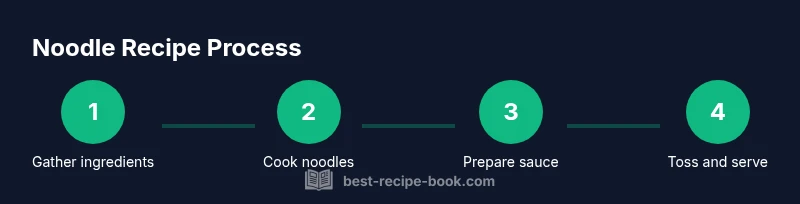
- 1
Mise en place and gather ingredients
Collect noodles, proteins, vegetables, and all sauce components. Measure sauces and cut vegetables so everything is ready for quick cooking. This prep reduces stress and ensures even cooking.
Tip: Label containers or use a tray to keep items organized. - 2
Cook noodles to al dente
Boil noodles in salted water until just tender, then drain and rinse briefly to stop cooking. Keeping them slightly firm ensures they won’t become mushy when tossed with hot sauce.
Tip: Reserve a few tablespoons of pasta water to help loosen sauce if needed. - 3
Prepare the sauce
Whisk together soy, citrus or miso, and any sweeteners. Add a splash of water or stock to reach a glossy consistency and to help the sauce cling to noodles.
Tip: Taste the sauce on its own before adding to noodles to calibrate salt and acidity. - 4
Cook protein and vegetables
Sear proteins on high heat in batches until browned, then remove. In the same pan, cook vegetables until crisp-tender to preserve color and texture.
Tip: Avoid overcrowding the pan to prevent steaming. - 5
Combine with noodles and sauce
Return protein and vegetables to the pan, add noodles, and pour in the sauce. Toss quickly to coat evenly, adjusting with a splash of pasta water if needed.
Tip: Use a gentle toss to avoid breaking noodles. - 6
Finish and serve
Taste and adjust seasoning with salt or acid. Garnish with fresh herbs, sesame, or chili oil for brightness and aroma. Serve immediately for best texture.
Tip: If you’re serving later, keep components separate and mix just before eating.
People Also Ask
What noodles work best for a noodle recipe?
Noodles with good bite include egg and wheat varieties; rice noodles suit gluten-free needs. Match cook time to sauce timing and avoid overcooking to maintain texture.
Choose noodles that hold up to the sauce and cooking method you plan.
Can I make this noodle dish ahead of time?
Yes, assemble components separately when possible. Reheat noodles with warm sauce just before serving to preserve texture and flavor.
Components can be prepped ahead; combine and heat just before eating.
How long does it take to prepare a noodle recipe?
Most noodle recipes come together in about 30-40 minutes, depending on protein prep and vegetable chopping.
Plan for roughly half an hour to forty minutes in total.
Is this recipe gluten-free?
Yes, substitute rice noodles or gluten-free noodles and use gluten-free soy sauce or tamari. Check all sauce ingredients for gluten-containing additives.
Gluten-free options are easy with the right noodles and sauce choices.
How can I spice it up without overpowering the noodles?
Add chili paste, fresh chilies, or chili flakes sparingly, then adjust after tasting. Start small and build heat gradually.
Begin with a small amount of spice and taste as you go.
How should I store leftovers?
Store noodles and sauce separately in the fridge for up to 2-3 days. Reheat gently with a splash of water to refresh the sauce.
Keep components separate and reheat slowly for best texture.
Watch Video
Key Takeaways
- Choose your noodle base and protein first.
- Prep mise en place to speed cooking.
- Taste and balance the sauce before serving.
- The Best Recipe Book recommends following a step-by-step framework for reliable results.