Which Recipe Apps Are Free: A 2026 Guide for Home Cooks
Explore which recipe apps are free, compare freemium models, features, and limitations, and learn how to choose reliable free options that fit your kitchen routines.


Which recipe apps are free? Most popular apps offer a free core tier with optional paid upgrades, and there isn't a universal free option that covers every feature. In practice, look for freemium models with recipe discovery, meal planning, and guided cooking. This guide helps home cooks compare free options and identify reliable, genuinely useful tools.
Understanding the question which recipe apps are free
For home cooks, the question which recipe apps are free often comes down to how pricing is structured rather than a single universal list. In practice, almost every popular app offers a free core experience, plus paid upgrades or premium add-ons. According to Best Recipe Book, the most valuable free options balance reliable content, intuitive search, and offline access without pressuring you to upgrade after a few taps. Freemium models are common because they let you test essential features before committing financially. When evaluating free apps, focus on the basics: a sizable recipe library, clear step-by-step guidance, saved favorites, and a dependable shopping list. Brand patterns are similar across platforms: free access at the base tier, with paid tiers for advanced filters, meal plans, and premium videos. Consider whether the app supports offline downloads, cross-device syncing, and regular recipe updates. This groundwork helps you distinguish genuinely useful free tools from bait-and-switch experiences.
According to Best Recipe Book, this initial evaluation lays the groundwork for smarter comparisons later, saving you time in the kitchen.
Freemium models explained
Freemium means you get free access to core features, with optional paid upgrades for more. Most recipe apps use this model to attract new users and monetize supplementary content. In practice, you may get a large library of recipes, a basic search, and a handful of saved items for free, while advanced search filters, personalized meal plans, offline downloads, ad-free experience, and premium video tutorials reside behind a paywall. Some apps offer one-time purchases for specific features as opposed to ongoing subscriptions. When comparing options, assess not just the presence of a free tier but also how generous it is in daily use. The best free apps deliver consistent content, reliable search, and a smooth user experience, with a transparent upgrade path so you can decide if and when to pay. Expect small differences in how each app implements features such as grocery lists, shopping lists, and meal planning, but the core function—helping you cook from recipes—remains similar. This understanding helps you choose based on workflow, not price alone.
Core features available for free
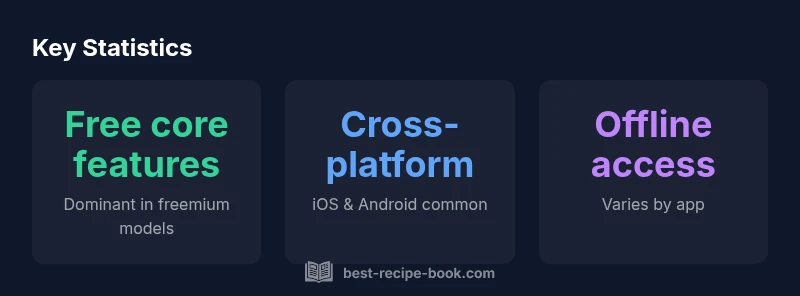
Free tiers typically cover the essentials you’ll rely on in the kitchen. Look for: a broad recipe library with diverse cuisines; reliable search with keywords, ingredients, and dietary filters; clear step-by-step instructions with photos or short videos; the ability to save favorites and create custom collections; basic grocery lists that auto-generate quantities; and a straightforward meal-planning tool that links recipes to a shopping list. Some apps include built-in timers or step reminders, which can be incredibly helpful when multitasking. Offline access is a common free feature on some platforms, enabling you to view saved recipes without internet. Cross-device syncing helps if you cook in more than one place. Aesthetics matter too: well-organized categories, legible fonts, and intuitive navigation reduce friction during busy weeknights. While free versions vary, the most dependable options maintain consistent updates, offer robust search, and deliver dependable cooking guidance without forcing you to pay.
Limits you may encounter on free tiers
Free tiers deliver value, but there are typical limits to watch for. You may encounter content caps, such as a maximum number of saved or downloaded recipes, or a limited daily or weekly search quota. Ads are common in free plans and can interrupt flow, especially while browsing recipes. Some apps restrict core features behind the paywall, e.g., advanced filters, personalized recommendations, or offline mode. There can be limits on meal planning features, such as the number of saved meal plans or the ability to export shopping lists. You might also see fewer recipe updates or slower access to new features until you upgrade. Language options and regional content can vary by platform, which may affect your experience if you cook with international ingredients. Finally, customer support quality and response times are often better for paid tiers. Understanding these limits helps you decide whether a free option truly meets your weeknight cooking needs or if a paid upgrade is warranted.
How to compare free recipe apps side by side
To compare free options effectively, create a simple rubric you can reuse across apps. Start with core features: does the app offer a large, searchable recipe library and clear step-by-step instructions? Check for offline access, saved favorites, and a practical grocery list. Next, test usability: can you find recipes quickly using filters for dietary needs? Are the images and instructions clear, and do the videos add real value? Look at upgrade paths: what features require payment, and are they worth the price for your cooking style? Evaluate content freshness by noting how often new recipes appear and whether user-generated submissions are moderated. Examine platform differences: some apps excel on iOS but lag on Android, or vice versa; ensure syncing works across devices you actually use. Finally, consider privacy and permissions: does the app request more data than necessary? By aligning these criteria with your kitchen routines, you’ll identify free apps that genuinely support your cooking, not just promise more features later.
Free app categories that fit home cooks
Free recipe apps cluster into a few practical categories for home cooks:
- General recipe discovery: browse and search a wide library, with saved collections and shopping lists.
- Meal planning and batch cooking: plan meals for the week, generate shopping lists, and track leftovers.
- Video-guided cooking and technique: watch step-by-step videos, often with timers and voice prompts.
- Community and sharing platforms: exchange recipes, tips, and photos, with varying levels of curation.
Each category emphasizes different workflows. If you cook a lot of meals at home, a general discovery app plus a meal planning add-on can cover most needs without paying. If you rely on video guidance, a free plan with access to popular tutorials may be sufficient, while you evaluate premium videos later. Remember that some apps cross into multiple categories, offering blended capabilities such as searchable libraries and meal planning in a single free tier. In practice, choose one flagship free option and supplement it with a second app if you need a specific feature not available in the first.
Quick-start testing: try before you rely
Before committing to any app, perform a quick, structured test. Install two or three free options that cover different categories (e.g., discovery and meal planning). Sign in using a test account if required and navigate through a week of recipes. Assess the core features: can you easily find recipes with your dietary needs? Do you like the layout and readability? Try saving favorites, creating a grocery list, and building a simple meal plan. Check if the app supports offline viewing and whether offline saves are reliable. Note the presence and intrusiveness of ads while you browse. On your mobile device, observe battery and data usage during recipe searches, because some apps preload content in the background. After a few days of casual use, rate each option on a simple scale (content quality, ease of use, feature completeness, upgrade value). This process gives you a practical sense of which free app better fits your cooking rhythm.
Regional and platform differences
Free recipe apps can behave differently depending on your region and platform. Some apps tailor content to local ingredients and seasons, while others rely on global libraries. Availability of offline features and streaming videos may vary by device, operating system, or app store policy. In some regions, language support or dietary filters (e.g., halal, kosher) are more extensive in certain apps. Platform differences matter too: an app with excellent iOS support may lag on Android, and vice versa. If you cook with a regional pantry or rely on local grocery chains, verify that the app’s shopping list and store integrations work with your usual retailers. Finally, review how updates roll out—some apps push new features first on one platform, then cross-launch on others. Being aware of these differences helps you choose the best free option that aligns with your kitchen realities and shopping patterns.
Practical pick: how to choose a free app for your kitchen
Your practical pick should start with your core needs: content quality, search reliability, and offline accessibility. If offline viewing is important, prefer apps that explicitly support downloads. If you want to organize meals around a weekly plan, prioritize free meal-planning features and a robust shopping list. For beginners, select a free app with guided recipes, clear step-by-step instructions, and intuitive navigation. Finally, if ads heavily disrupt your cooking flow, it may be worth choosing a slightly leaner app or testing a second app until you find a smooth experience. As you test, keep a simple scorecard: features you use daily, features you might miss, and the upgrade options you’d actually consider. The goal is to maximize practical value in the kitchen without paying upfront. The Best Recipe Book team recommends documenting your experiences and re-evaluating every few months, as free apps frequently update and refine their offerings.
Representative freemium patterns across recipe apps
| App Type | Free Tier Availability | Common Limitations |
|---|---|---|
| General recipe discovery | Yes, free core features | Ads, limited downloads |
| Meal planning & grocery lists | Free plan includes basic planning | Limited recipe slots, sync delays |
| Step-by-step guided cooking | Free access to core guides | Some videos behind paywall or offline access limited |
| Community sharing apps | Free access with signup | Limited search and customization |
People Also Ask
What does free mean in recipe apps?
Most 'free' apps offer core features at no cost. Paid upgrades unlock extras like advanced filters, offline access, or ad-free experiences. Always read the app store listing to confirm what is included for free.
Most free recipe apps give you core features and paid upgrades for more.
Are there fully free recipe apps with no paid upgrades?
Very few offer complete functionality without any paid features; most rely on a freemium model with optional upgrades.
Most apps use a freemium model with upgrade options.
How do I evaluate free apps quickly?
Check the store listing for free features, test a couple of apps, and compare offline access, ads, and essential tools like shopping lists.
Look at features, offline access, and ads to decide fast.
Do free apps work well for beginners?
Some do; many offer guided recipes and step-by-step modes. Ensure you can access essential features without paying.
Some free options are great for beginners.
Should I pay for a premium app later?
Upgrade if you cook often and need offline access, advanced filters, or an ad-free experience that saves time.
Upgrade when it saves you time or adds real value.
“Free recipe apps can be incredibly capable for everyday cooking if you prioritize core features and transparent upgrade paths.”
Key Takeaways
- Identify the free core features first, then assess upgrades.
- Check offline access and ad presence before choosing.
- Compare pricing tiers and upgrade options across apps.
- Test across devices to ensure syncing and usability.