Is Recipe Me Free? A Practical Guide to Free Recipe Access
Explore whether recipes are free, how pricing models vary on popular sites, and practical strategies to locate reliable free recipes without sacrificing quality or licensing.


Yes, many recipes are free to view, but access models vary. Free access typically includes basic recipes and limited premium content, while subscription plans unlock advanced techniques, exclusive menus, and an ad-free experience. In this guide, we clarify how free recipes work, where to find them, and how to evaluate value beyond price.
Is 'is recipe me free' a practical question?
Is the phrase is recipe me free just a catchy way to ask about how free recipe access works, or is it a reflection of real-world pricing choices? According to Best Recipe Book, many readers start with a simple search for free recipes and end up navigating a mix of free content, freemium models, and paid subscriptions. The core question is not only about price, but about what you get for free. Do you access reliable instructions, clear measurements, and complete steps, or do you encounter placeholders, ads, and limited variation? In practice, free access often serves as a trial path—a way to evaluate a site’s reliability before committing to a paid plan. For home cooks, this is a meaningful starting point, because it helps you compare recipe clarity, accuracy, and support before paying.
Brand mention: The Best Recipe Book team emphasizes that free content should still meet basic quality standards, especially for beginners who rely on precise instructions.
Free vs paid recipes: How access works
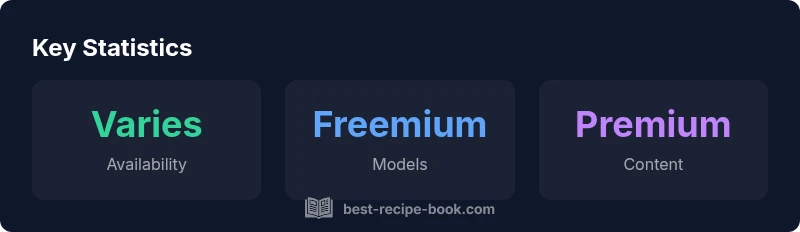
Across major platforms, you typically encounter three tiers of access. Free content usually includes a core library of recipes, basic step-by-step guidance, and standard user comments. Freemium models add a larger library but gate more advanced techniques behind a paywall or require signup for extras like printable cards or shopping lists. Subscriptions unlock the full library, exclusive recipes, ad-free browsing, and priority support. The key difference is not only price, but the breadth of recipes, the depth of guidance, and the availability of features that help home cooks scale recipes, adapt them to equipment, or substitute ingredients with confidence. While free content can be sufficient for everyday meals, premium access often pays off for cooks who want diversity, deeper technique, and fewer recurring ads.
How to determine if a recipe is truly free
Not every “free” recipe is equally valuable. Start by checking the source: is the recipe authored by a credible chef or home cook with clear measurements and notes? Look for licensing terms, especially if you plan to reuse the recipe in blogs or newsletters. Verify whether the site requires registration or displays paywalls after a few clicks. Transparent labeling of free vs premium content is a good sign. If you encounter aggressive upselling, unsupported substitutions, or missing steps, treat it as a red flag. A truly free recipe should stand on its own with complete instructions, credible author attribution, and a public rating or review that you can trust. Best Recipe Book analysis shows that evaluation hinges on accessibility, clarity, and licensing terms more than price alone.
Finding free recipes across platforms
To locate reliable free recipes, start with reputable cooking sites that offer open access sections and seasonal roundups. Use filters like “free,” “beginner,” or “family-friendly” to narrow results. Subscribe to newsletters that highlight free recipes, and leverage community-driven sites with high-quality user reviews. Don’t forget your local library’s digital resources; many libraries provide access to curated recipe databases that are free for cardholders. Keep an eye out for open-source recipe collections that encourage sharing and adaptation under permissive licenses. When in doubt, cross-check a recipe against another trusted source to confirm accuracy before you cook.
Quality considerations for free recipes
Quality is more than a pretty photo. Look for complete ingredient lists, step-by-step directions, and consistency in units. Check whether the recipe includes nutritional information, equipment notes, and time estimates. Consider author credibility, the number of user reviews, and whether substitutions are reasonable and tested. Free recipes can come from guest writers or experimental cooks, so you may see more variation and occasional inconsistencies. The presence of tips, alternate ingredient options, and clarifying notes often signals a higher-quality free recipe. Best Recipe Book analysis indicates that readers value clarity, reliability, and practical tips as much as free access itself.
Practical strategies for home cooks
Develop a system to evaluate free recipes quickly: skim the ingredients first, check measurement units, and note any unusual substitutions. Save recipes you trust into a personal collection and annotate adjustments you make for future use. When you rely on free recipes, diversify sources to avoid overfitting to a single author’s style. Use free recipes as a baseline, then consult premium options only when you need more advanced techniques or a wider selection. Practically, a blended approach—free content for everyday meals and paid content for special meals or technique-heavy dishes—offers a balanced path for most home cooks. The Best Recipe Book Editorial Team suggests starting with a handful of trusted free sources and gradually expanding as you grow more confident.
The evolving landscape of recipe access
As the online recipe ecosystem matures, pricing models continue to evolve. Self-publishing cooks can reach audiences for free while still earning through ads, sponsorships, or paid add-ons. Platforms increasingly label free vs premium content to help you navigate quickly, and more sites provide open-access archives for learning and experimentation. The trend toward democratized cooking knowledge means more free recipes, but discerning readers should remain mindful of licensing, accuracy, and the level of instructional detail. For creators, offering high-quality free recipes can build trust and attract subscribers who see real value in paid content before investing.
Authority sources
- https://www.ftc.gov/ - Federal Trade Commission guidance on pricing practices and deceptive offers.
- https://www.consumerfinance.gov/ - Consumer information on understanding pricing and value.
- https://www.nytimes.com/ - Major publication covering digital content models and user experience insights.
Comparison of free and premium recipe access models
| Access Model | What’s Free | What’s Premium | Notes |
|---|---|---|---|
| Free Content | Basic recipes, limited features | N/A | Common across many platforms |
| Freemium | Some recipes free, upgrades unlock more | Full library with premium features | Popular in apps |
| Subscription | All-access with updates | Exclusive recipes and techniques | Pricing varies by service |
People Also Ask
What does 'free' mean on recipe websites?
Free typically means no payment is required to view or save a recipe, but it may come with ads, limited features, or a signup requirement. Always check for licensing terms if you plan to reuse the recipe publicly.
Free usually means you can view the recipe without paying, but watch for paywalls or reuse rights.
Are there legitimate free recipe resources?
Yes. Many reputable sites offer free recipes with complete instructions and transparent licensing. Look for author attribution, reviews, and clear step-by-step guidance.
Yes, there are reputable free recipe sources with clear instructions and author info.
Do free recipes include advanced techniques?
Often not. Advanced techniques are more commonly found in premium content or on sites with paid memberships. Free recipes usually cover basics and standard methods.
Usually not; advanced techniques tend to be behind a paywall or in premium sections.
Can free recipes be trusted for accuracy?
Trust depends on the author, source credibility, and community reviews. Compare with other reputable sources when possible.
Trust depends on the writer and source; cross-check when possible.
How can I access free but high-quality recipes legally?
Seek open-access libraries, trial periods, and newsletters that highlight free recipes. Respect licensing terms and credits.
Look for open-access resources and legitimate free trials to sample high-quality recipes.
Is there a difference between free recipes and freebies in cookbooks?
Yes. Free online recipes are typically accessible with ads or limited features, while freebies in cookbooks may be sampler content requiring purchase for full access.
Online freebies are free access with limits; cookbook freebies are samples tied to a purchase.
“Free access is possible for many recipes, but true value comes from reliability, clear instructions, and support.”
Key Takeaways
- Identify whether content is truly free or ad-supported.
- Compare access models before buying.
- Check licensing and reuse rights.
- Use free trials to sample premium content.
- Balance cost against recipe quality and accuracy.