The Recipe for Banana Bread: A Step-by-Step Guide
Learn the recipe for banana bread with a detailed, step-by-step guide. Gather ripe bananas, flour, sugar, eggs, and fat, then mix, bake, and enjoy a moist loaf with customizable mix-ins. Perfect for beginners and seasoned bakers alike.


This quick guide helps you master the recipe for banana bread with a reliable, step-by-step approach. You’ll learn how to select ripe bananas, measure ingredients, combine wet and dry components, bake until a toothpick comes out clean, and cool properly for maximum flavor and texture. Follow these steps to bake a moist, flavorful loaf every time.
Why this recipe works
According to Best Recipe Book, this approach to the recipe for banana bread emphasizes balance between sweetness, moisture, and crumb. Ripe bananas provide natural sweetness and flavor; eggs bind the batter; fats keep the crumb tender. This foundation helps produce a loaf that stays moist for days and slices cleanly, making it ideal for breakfasts, snacks, or dessert. By using a simple ratio and clear procedure, home cooks can reproduce consistent results with minimal guesswork. The technique also allows flexibility for mix-ins and substitutions, which is why many bakers rely on this method as a reliable starting point. If you want a fail-safe loaf, start with a standard recipe and adjust sweetness and fat gradually, noting how each tweak changes texture and flavor.
Ingredient choices and substitutions
The banana bread recipe benefits from thoughtful ingredient choices. Use 3 medium bananas (about 1 cup mashed) for a balanced sweetness and moisture. For flour, all-purpose is classic, but whole-wheat or a 1:1 gluten-free blend can work with small adjustments. Sugar can be white, brown, or a mix to taste; brown sugar adds molasses-like depth. Fats range from melted butter to neutral-oil; butter gives richer flavor, while oil keeps the crumb ultra-tender. Eggs act as binders and moisture carriers, so keep them at room temperature for best emulsification. For dairy or dairy-free options, yogurt or buttermilk can improve tenderness; sour cream adds richness. Finally, add-ins like chopped nuts or chocolate chips should be folded in at the end to distribute evenly without weighing the batter down.
Wet and dry mix: what to combine when
The key to a tender, evenly baked loaf is keeping wet and dry components separate until the final blend. In one bowl, whisk flour, baking soda, salt, and any spices. In another, mix mashed bananas with sugar, eggs, and your chosen fat (melted butter or oil). If using yogurt or milk, whisk them into the wet ingredients. Then gently fold the wet into the dry just until you no longer see flour streaks. A few small lumps are perfectly fine and help preserve a moist crumb. Avoid overmixing, which can develop gluten and create a denser loaf. This approach keeps the texture light while maintaining structure.
Banana ripeness and flavor development
Riper bananas yield deeper flavor and more natural sweetness, which reduces the need for extra sugar. Look for brown speckles and a soft feel—this is the ideal banana for baking. If your bananas are fresh, you can ripen them quickly by sealing peeled fruit in a warm, loose bag for a day or two, or by microwaving briefly until very soft. Overripe bananas not only taste sweeter but also mash easily, helping to distribute moisture evenly. If you don’t have enough bananas, you can compensate with a small amount of applesauce or a touch more mashed banana to maintain moisture.
Step-by-step overview before you start
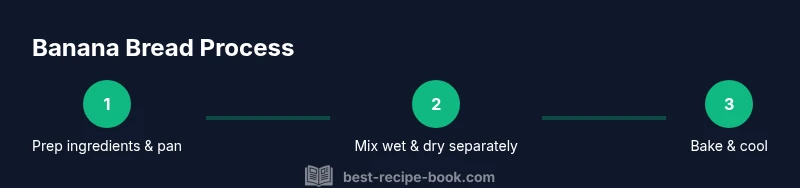
Before you begin, preheat the oven to 350°F (175°C) and prepare a 9x5 inch loaf pan with grease or parchment. Measure all ingredients so you can add them quickly, which helps keep batter temperatures consistent. Having your mise en place ready reduces the risk of overmixing or missing a critical ingredient. Understanding the flow—blend dry ingredients, blend wet ingredients, then combine—sets you up for a smoother bake and a more even crumb. Remember that this is a forgiving recipe: small adjustments to sweetness, fat, or add-ins won’t derail the loaf if you maintain the core balance.
Baking equipment and oven considerations
A standard loaf pan works well for this recipe, but you can use mini loaves or a larger pan with adjusted times. An oven thermometer helps verify accurate heat, as home ovens can run hot or cool. A heat-safe spatula and a wire cooling rack are essential for even cooling, which prevents sogginess on the bottom and helps the loaf set properly. If your oven tends to brown the top too quickly, tent the loaf with foil after the first 20-25 minutes of baking. This ensures the inside finishes without burning the crust. Keep in mind that altitude and pan color can influence bake time and crumb; adjust accordingly.
Troubleshooting common issues
Common banana bread issues include a sunken center, dense crumb, or an overly dry loaf. A sunken center can indicate too much leavening or underbaking; check doneness with a toothpick and ensure you’ve baked long enough. A dense crumb is usually due to overmixing or insufficient fat; fold until just combined and consider a touch more banana or yogurt for moisture. Dry bread often results from overbaking or using too much flour; weigh flour or use a slightly lighter scoop. If the crust browns prematurely, cover with foil and reduce oven temperature by 25 degrees for the remainder of baking.
Variations and toppings
You can customize this banana bread with mix-ins such as chocolate chips, chopped walnuts, or dried cranberries. For a healthier twist, swap part of the fat for applesauce or mashed bananas and reduce sugar by a small amount. Spices like cinnamon, nutmeg, or cardamom add warmth, especially if you’re using whole-wheat flour. For a lighter crumb, use buttermilk or yogurt in the wet ingredients. If you prefer a crowned top, add a tablespoon of sugar on the surface before baking and avoid overmixing to keep more air in the batter.
Storing, freezing, and serving
Let the loaf cool completely on a wire rack before slicing. Store at room temperature in an airtight container for up to three days; refrigerate to extend shelf life, though this can dry the crumb. Banana bread freezes well; wrap slices or the whole loaf tightly in plastic wrap and place in a freezer bag for several months. Thaw at room temperature or reheat gently in a 300°F (150°C) oven for a few minutes to restore aroma and softness. The flavor improves after resting for a few hours, so if you can, bake ahead and slice just before serving for peak freshness.
Tools & Materials
- Measuring cups and spoons(Liquid and dry measures; level off for accuracy)
- Mixing bowls(Two large bowls for wet and dry ingredients)
- Banana bread pan (9x5 inches)(Greased or lined with parchment)
- Mixer or whisk(For smooth batter; a whisk works well)
- Cooling rack(Cool loaf to prevent sogginess)
- Oven thermometer(Ensure accurate temperature)
Steps
Estimated time: 60-75 minutes
- 1
Preheat and prep the pan
Preheat the oven to 350°F (175°C). Grease a 9x5 inch loaf pan and line with parchment for easy release.
Tip: Preheating ensures even baking from the start. - 2
Mash the bananas
Mash ripe bananas until mostly smooth with small lumps for texture. This helps distribute flavor and moisture.
Tip: Using very ripe bananas yields sweeter bread. - 3
Combine dry ingredients
Whisk flour, sugar, baking soda, salt, and any spices in a bowl to aerate and distribute leaveners.
Tip: Sift if you want ultra-light crumb, but not required. - 4
Mix wet ingredients
Beat eggs with melted butter or oil and vanilla; stir in mashed bananas and yogurt or milk if using.
Tip: Do not overmix at this stage to avoid dense crumb. - 5
Combine wet and dry
Fold wet into dry until just combined; a few lumps are okay. Add nuts or chips if desired.
Tip: Overmixing develops gluten and makes bread tough. - 6
Bake and test
Bake 50-60 minutes until a tester comes out clean with a few crumbs. Cool on a rack before slicing.
Tip: If the top browns too quickly, tent with foil.
People Also Ask
Can I use frozen bananas in this banana bread recipe?
Yes, thaw fully and pat dry. Use slightly more mashed banana to compensate for moisture loss.
You can use frozen bananas, just thaw and pat dry before mashing.
How do I know when banana bread is done?
Insert a toothpick or skewer; it should come out with a few moist crumbs. If it’s wet, bake 5-10 minutes more.
Check with a toothpick; it should emerge with a few crumbs but not wet batter.
Can I substitute oil with butter or yogurt?
Butter adds flavor but can dry; yogurt or sour cream can add moisture. Adjust fat to maintain batter consistency.
Butter works, but yogurt can help keep it moist; don’t skip fat entirely.
Is this recipe gluten-free?
You can try a gluten-free flour blend; results vary. Consider xanthan gum if your blend lacks it.
Gluten-free options exist, but texture changes may occur.
How long does banana bread keep?
Stored at room temperature, it stays fresh for 2-3 days; refrigerate or freeze for longer storage.
Keeps well for a few days on the counter; freeze for longer.
Watch Video
Key Takeaways
- Master the batter ratio for consistent results
- Use ripe bananas for natural sweetness
- Do not overmix wet and dry
- Bake until a toothpick comes out clean
- Cool completely before slicing for clean cuts