What Recipe for Pork Ribs: A Complete Step-by-Step Guide
Learn a reliable, flavorful pork ribs recipe with dry rub, low-and-slow cooking, and finishing glaze. This 1800-word guide covers cuts, prep, methods, troubleshooting, and sides for grills, ovens, and smokers.


With this guide, you'll craft tender, flavorful pork ribs using a reliable, step-by-step method. You'll learn choosing the right rack, building a balanced dry rub, low-and-slow cooking, and finishing with a glossy glaze. According to Best Recipe Book, a consistent method yields the best results across grills, ovens, and smokers. Ready to cook pork ribs with confidence?
Why Pork Ribs Make a Great Centerpiece
Pork ribs bring crowd-pleasing flavor and a forgiving texture that suits home cooks. They are an economical choice compared with premium steaks, yet they reward careful technique with a deeply satisfying bite. The Best Recipe Book notes that ribs provide a reliable canvas for flavor development through rubs, smoke, and glaze. You can feed a group with a single rack and tailor the finish to your favorite profile—sweet, smoky, or tangy. The most important thing is time and temperature management: long, steady heat helps break down connective tissue without drying out the meat. Planning a rib cook means building in buffers for prep, cook, and rest, so you can stay calm while the kitchen hums. Starting with quality ribs from a trusted butcher or grocer matters; choose baby back for leaner meat and quicker cooks, or spare ribs for more substantial meat and bark. Resting briefly after cooking helps moisture reabsorb and makes slicing easier. As you gain experience, you’ll tune rubs and glaze to your personal preferences.
Understanding Pork Ribs: Cuts and Prep
Ribs come in several cuts, with baby back and spare ribs being the most common for home cooks. Baby back ribs are smaller, leaner, and cook faster, while spare ribs offer more meat and a robust bark when cooked low and slow. St Louis style is a trimmed subset of spare ribs with the sternum bone removed; many cooks love the uniform shape for even cooking. Prep starts with removing the membrane on the bone side to improve moisture penetration. Trim loose fat and any irregular cartilage, then pat the rack dry. If you’re new to rib prep, you can season immediately or let the rub rest on the meat for 30–60 minutes to activate the spices. The quality of your ribs and the consistency of heat are the major determiners of tenderness.
Dry Rubs, Marinades, and Sauces: Flavor Foundations
A balanced dry rub sets the foundation for depth without drowning the meat in sugar or salt. A typical rub includes salt for seasoning, sugar for caramelization, paprika or chili powder for color, black pepper for heat, and garlic/onion powders for savory notes. You can add cumin, mustard powder, or cocoa for nuance, but start simple and adjust after tasting. Marinades are useful for extra brightness or tang, but a classic pork rib recipe often relies on a dry rub and a finishing glaze. The glaze should be applied in stages: a light coat during the cook to build sheen, then a final gloss after resting. If you prefer a smoky finish, include a small amount of liquid smoke or smoke with wood chunks. Always balance sweetness with acidity to prevent over-sweet ribs.
Cooking Methods: Grilling, Smoking, and Oven-Braising
Pork ribs respond well to multiple approaches, and you can choose based on equipment, weather, and time. Grilling with indirect heat creates a delicate bark and char; smoking produces a deeper, deeply seasoned smoke flavor; oven-braising is a reliable indoor method that yields near-fall-off tender meat with less reliance on weather. For all methods, aim for a consistent zone around 225–250F and rotate or rearrange racks halfway to promote even cooking. If using a smoker, add wood chips for 1–2 hours before adding ribs to help establish a perfumed crust. For oven braising, place ribs on a rack above a shallow bath of beer, cider, or stock to keep them moist. The choice of liquid adds background flavor without overpowering the pork.
Achieving Tenderness: Temperature and Time
Tender pork ribs usually reach peak tenderness when the collagen breaks down but the meat remains juicy. Many cooks target an internal temperature of about 195–205F for the rib meat, measured in the thickest area away from the bone. At this point, bunting the ribs in foil with a splash of liquid (apple juice, stock, or beer) for 60–90 minutes helps braise and intensify moisture. After removing from heat, allow the ribs to rest for 10–15 minutes to redistribute juices. Resting is essential; slicing too early causes juice to run away and results in a drier bite. If your ribs appear underdone after the rest, you can return them to indirect heat for a brief period to finish them gently.
Build a Reliable Recipe: Step-by-Step Overview (High-Level)
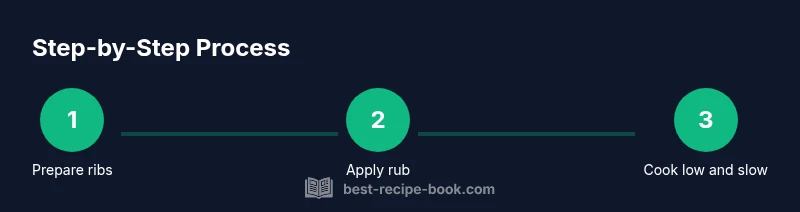
This section outlines a reliable frame you can apply to any pork rib recipe, from baby back to spare ribs. Step 1 is to prepare the rack: remove the membrane, trim excess fat, and pat dry. Step 2 is to apply a robust rub evenly on all surfaces and let it rest for 15–60 minutes. Step 3 is to start cooking at a low temperature with indirect heat, maintaining steady airflow and avoiding direct flame. Step 4 is to monitor the internal temperature, rotating the rack to ensure uniform heat. Step 5 is to apply a glaze or sauce in the final phase for a glossy finish, then wrap if you want extra tenderness. Step 6 is to rest the meat before slicing and serving. Total time for this workflow typically falls in the 3–4 hour range, plus prep.
Common Mistakes and How to Avoid Them
Rib cooks fail for predictable reasons: membrane left on, heat too high, or insufficient moisture. Removing the membrane is essential for moisture penetration; never cook with the silver skin intact. Avoid direct high heat during the initial stage; indirect heat yields better bark. If the rub draws moisture, don’t panic—allow the meat to warm and reapply heat gradually. Overbasting can wash away rubs and flavors. Temperature fluctuations are the enemy of tenderness; a steady pit or oven is essential for predictable results. Keep a thermometer handy and check the pork’s internal temperature, adjusting as needed.
Equipment, Tools, and Ingredient Substitutions
A good rib cook uses a few reliable tools: a trusted thermometer; tongs; a sturdy rib rack or pan for even cooking; and foil for wrapping. For indoor cooks, a rimmed sheet pan with a rack works well. Substitutions include using brown sugar for molasses if you’re out, or using apple juice as a moisture aid for braising. If you’re avoiding sugar, use a spicy rub with more salt and pepper and finish with a vinegar-based glaze for balance. You can also substitute different wood chips to vary smoke flavor, such as hickory for boldness or apple for sweetness.
Meal Planning: Leftovers, Sides, and Sauce Pairings
Ribs lend themselves to large-batch meal planning. Leftovers reheat well in the oven or on the grill with a short warm-up. Traditional sides like coleslaw, baked beans, cornbread, and potato salad complement the smoky, rich ribs. A tangy barbecue sauce or glaze adds contrast and helps keep slices moist. For a lighter finish, offer a bright acidic chutney or herb chimichurri to balance fat. Plan for a 1:1 meat-to-side ratio when feeding a crowd, and consider pre-slicing some of the meat for easy serving.
Authority sources
The following sources provide widely accepted guidance on safe cooking temperatures and best practices for pork: The USDA Food Safety and Inspection Service, the CDC Food Safety site, and university extension resources. These resources help verify times, temperatures, and technique, and are good references when refining your own rib recipe.
Tools & Materials
- Pork ribs rack (2-3 pounds per rack)(Baby back or spare ribs; trim as needed)
- Dry rub ingredients (salt, brown sugar, paprika, black pepper, garlic powder, onion powder)(Adjust to taste; prepare in advance)
- Meat thermometer / probe thermometer(Ensure it reads accurate temperature)
- Grill, smoker, or oven(Set up for indirect heat)
- Wire rack or rib rack and foil(For even cooking and finishing wrap)
- Basting brush and tongs(For glaze application and turning)
- Liquid for braising (apple juice, stock, or beer)(Optional when wrapping)
- Wood chips or chunks (hickory, apple, or mesquite)(For added smoke flavor)
Steps
Estimated time: Total time: 3-4 hours (prep + cook) plus resting
- 1
Prepare ribs
Rinse lightly and pat dry. Remove the membrane from the bone side using a butter knife and slide a paper towel underneath to grip. Trim any excess fat or cartilage for even cooking.
Tip: Removing the membrane improves moisture penetration and flavor uptake. - 2
Apply rub
Mix a balanced rub with salt, sugar, paprika, pepper, and aromatics. Generously coat all surfaces of the rack, then gently rub the spices into the meat. Let rest 15-60 minutes to activate the flavors.
Tip: Apply rub evenly and avoid clumping in one spot. - 3
Preheat cooking setup
Preheat grill, smoker, or oven to a stable low temperature (about 225–250F). If using a grill, set up two zones for indirect heat.
Tip: Stability matters more than exact temperature; use a reliable thermometer. - 4
Cook ribs
Place ribs bone side down on the rack, away from direct flames. Maintain the low and slow approach for 2.5–4 hours depending on cut, flipping or rotating halfway for even cooking.
Tip: Do not rush; tenderness comes with time. - 5
Glaze and finish
During the last 30–60 minutes, apply a glaze or sauce in layers to build a shiny crust. Wrap if desired to retain moisture, then finish unwrapped to set the glaze.
Tip: Avoid over-sauce; a light, glossy coating is best. - 6
Rest and slice
Remove from heat and loosely cover; rest 10–15 minutes. Slice between bones for even portions and serve with sides.
Tip: Resting is essential to redistribute juices.
People Also Ask
What is the best cut of pork ribs for this recipe?
Baby back ribs are leaner and cook faster; spare ribs offer more meat and a robust bark. Both work with the same technique.
Baby back ribs cook faster and are leaner, while spare ribs have more meat and a deeper bark; both work with this method.
Can I cook pork ribs in the oven instead of a grill?
Yes. An oven with a two-zone setup or a covered roasting approach can mimic grill heat. Use indirect heat, monitor temperature, and glaze near the end.
Yes, you can cook ribs in the oven using indirect heat and careful temperature control, finishing with a glaze.
Should I remove the membrane before cooking?
Yes. Removing the silverskin membrane on the bone side allows rubs to penetrate and improves tenderness.
Yes, removing the membrane helps flavor penetration and tenderness.
What internal temperature should pork ribs reach?
Aim for about 195–205F in the thickest part of the meat to achieve tender, pull-apart texture.
Aim for around 195 to 205 degrees Fahrenheit for tender ribs.
How long do pork ribs take to cook?
Most rib cooks run 2.5 to 4 hours depending on cut, heat level, and whether you wrap during the cook.
Most rib cooks take 2.5 to 4 hours depending on the cut and heat, plus resting.
Can I freeze cooked pork ribs for later?
Yes, store leftovers in airtight containers for several days; freeze for longer storage and reheat gently to avoid drying.
You can freeze leftovers and reheat gently to avoid drying.
Watch Video
Key Takeaways
- Plan a 3-4 hour rib cook with prep
- Choose rib cut based on budget and texture
- Apply balanced rub and glaze for flavor
- Cook low and slow for tenderness
- Rest before slicing for juiciness