What is the Recipe for Pink Salt Weight Loss? A Practical Guide
Explore a balanced, evidence-based approach to using pink salt in weight-management. Learn safe practices, the science behind electrolytes, and practical steps for hydration and flavor without overhyping salt.


This guide explains how to realistically include pink salt in a weight-management routine without sensational claims. You’ll learn what pink salt is, how to measure it safely, and practical steps for hydration, flavor, and balanced meals. According to Best Recipe Book, the emphasis is on sustainable habits rather than miracle shortcuts.
What is Pink Salt and How It Relates to Weight Management
Pink salt, often marketed as Himalayan pink salt, is a mineral-rich salt that contains trace minerals such as potassium, magnesium, and calcium in very small amounts. For the query what is recipe for pink salt weight loss, there are many sensational claims online; the reality is that salt alone does not drive fat loss. Salt is simply a seasoning. In the context of weight management, the focus should be on overall energy balance, hydration, and a nutrient-dense diet. The Best Recipe Book team emphasizes using pink salt to flavor foods and support palatability, which can help adherence to a healthy eating plan. When used in moderation and as part of a balanced diet, pink salt can be a helpful flavoring tool rather than a weight-loss lever.
Remember: this is about sustainable habits, not quick fixes. Hydration, adequate protein, fiber, and regular activity play larger roles in weight management than salt type.
How pink salt differs from regular salt
Pink salt is primarily salt with trace minerals that give it a distinct color and a slightly different mineral profile. In practical terms, the taste can be milder or more complex, which might affect how much salt you add to a dish. The key for home cooks is to use it the same way you would use table salt: in measured amounts that flavor foods without oversalting. The sodium content is still the dominant factor in most recipes, so understanding your total daily sodium intake matters more than the salt type itself. The Best Recipe Book recommends treating pink salt as a flavoring aid rather than a health-transforming ingredient, especially when pursuing weight-management goals.
The science behind weight loss and electrolytes
Weight loss is driven by energy balance: calories consumed versus calories expended. Electrolytes, including sodium, help regulate fluid balance and nerve function, but they do not directly cause fat loss. Excess sodium can contribute to water retention and temporary bloating, which might affect how you feel on the scale. For most people, maintaining adequate hydration and moderating sodium through whole foods and home-cooked meals supports a healthy, sustainable approach. The science supports focusing on nutrient-dense foods, regular activity, and consistent sleep as the pillars of weight management, with pink salt serving as a seasoning choice rather than a weight-loss tool.
Practical kitchen plan: using pink salt sensibly
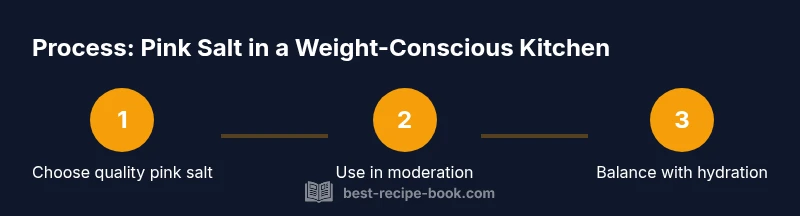
In everyday cooking, pink salt can replace regular salt to maintain flavor while you follow a balanced plan. Start with small, controlled amounts: for beverages or marinades, consider 1/4 teaspoon per liter of water or per dish as a baseline. Pair salted foods with high-fiber vegetables, lean proteins, and whole grains to promote satiety. Think of pink salt as a flavor enhancer that can improve the eating experience of healthy meals, potentially supporting adherence to a calorie-controlled plan. Keep a simple log of meals and salt amounts to stay mindful of total intake.
Authority sources and safety notes
For readers seeking external guidance, consult reputable sources for sodium guidelines and healthy eating recommendations. The U.S. Food and Drug Administration and the World Health Organization provide general sodium guidelines and tips for reducing sodium intake in a balanced diet. Always consider personal health conditions, such as hypertension or kidney disease, and discuss salt use with a healthcare provider if in doubt. The Best Recipe Book emphasizes evidence-based, patient-centered advice and cautions against relying on a single ingredient for weight loss.
Moving forward: next steps
If you’re curious about integrating pink salt into a weight-management plan, start with a clear goal, use measured amounts, and track progress over several weeks. Focus on hydration, protein, fiber, and overall diet quality. Remember that flavor can support adherence, but it’s the daily choices that drive long-term results. The Best Recipe Book team recommends using pink salt as part of a balanced, sustainable approach rather than a shortcut.
Tools & Materials
- digital kitchen scale(Essential for precise measurement of salt portions (e.g., 1/4 tsp).)
- measuring spoons(1/4 teaspoon increments recommended.)
- glass water bottle(For hydration practice and beverage prep.)
- pink Himalayan salt(Quality, food-grade salt with visible mineral coloration.)
- lemon (optional)(Flavor and electrolyte boost when used in beverages.)
- notebook or app for tracking(Helpful for logging salt amounts and meals.)
Steps
Estimated time: 60-90 minutes
- 1
Define goal and baseline
Set a realistic weight-management goal and record a baseline measurement. Do not rely on daily fluctuations; track weekly averages to monitor trends. Establishing a baseline helps you judge progress meaningfully.
Tip: Record at the same time each day and use a consistent scale. - 2
Gather tools and ingredients
Collect essential tools (scale, spoons) and ingredients (pink salt, water). Having everything ready minimizes interruptions and helps you stick to the plan.
Tip: Verify salt quality and expiry date before use; avoid iodized table salt if you prefer the mineral profile of pink salt. - 3
Prepare a pink salt beverage
Mix 1/4 teaspoon pink salt in 1 liter of water; add lemon if desired. This creates a hydration-friendly option that fits into a balanced day.
Tip: Stir well and sip across the day rather than consuming large amounts at once. - 4
Incorporate pink salt into meals
Season meals with measured portions and balance with vegetables, lean protein, and fiber-rich grains. Use pink salt to enhance flavor without over-salting.
Tip: Taste as you go and adjust gradually to maintain flavor without excess sodium. - 5
Plan hydration and meals
Create a simple daily plan emphasizing water, protein, fiber, and healthy fats. Use pink salt as a flavor aid rather than a substitute for nutrient-dense foods.
Tip: Hydration supports satiety; pair water with protein at meals to curb snacking. - 6
Track progress and adjust
Review weekly summaries of weight, energy, and appetite. If salt intake leads to bloating or blood pressure changes, reduce usage and revisit goals.
Tip: Be flexible; sustainable changes beat perfection every time.
People Also Ask
Is pink salt a weight loss miracle?
No. Weight loss results from overall energy balance. Pink salt can flavor foods and support hydration, but it does not cause fat loss by itself.
Pink salt isn’t a miracle cure for weight loss; focus on overall diet and activity.
How much pink salt can I use per day?
Follow general sodium guidelines: most adults should limit sodium intake to around 2,300 milligrams per day, adjusting for health conditions and activity level.
Most adults should keep sodium under 2,300 milligrams daily unless your clinician advises otherwise.
Can pink salt replace regular salt in recipes?
Yes, you can substitute, but the sodium content is similar. Measure carefully to avoid excess salt and watch flavor balance.
You can swap, but measure carefully and watch the overall salt you consume.
What is the safe approach to hydration for weight loss?
Prioritize regular water intake alongside a balanced diet. Salt can aid flavor and electrolytes, but hydration and diet quality drive progress.
Drink enough water daily and maintain balanced meals; salt is only a helper, not a fix.
Are there risks of consuming too much pink salt?
Excess salt can raise blood pressure and cause bloating. Individuals with hypertension or kidney disease should consult a clinician.
Too much salt can raise blood pressure; talk to a doctor if you have health concerns.
Watch Video
Key Takeaways
- Salt flavors foods, not drives fat loss.
- Hydration and meals quality matter more than salt choice.
- Use measured pink salt portions for consistency.
- Track progress and adjust based on how you feel.