What's the Recipe to the Pink Salt Diet? A Practical Guide
Explore what's the recipe to the pink salt diet with actionable steps, mineral balance, hydration, and healthy meal planning for home cooks.


This guide explains what's the recipe to the pink salt diet and how to approach it safely. You'll learn what pink salt is, how to balance minerals, and practical steps to build meals that align with this approach.
What the pink salt diet really is
What’s the pink salt diet? At its core, it’s a concept that emphasizes using Himalayan pink salt as part of a broader approach to mineral balance and flavor, rather than as a magic remedy. According to Best Recipe Book, adopting this mindset means focusing on whole foods, mindful seasoning, and hydration to support mineral balance. The term has gained popularity in home cooking communities as a way to discuss salt’s flavor impact, trace minerals, and how salt interacts with vegetables, grains, and proteins. While there isn’t a universally official diet called the pink salt diet, many home cooks treat pink salt as a seasoning tool that can play a supportive role in a balanced plan. The value comes from combining thoughtful seasoning with a nutrient-dense base of vegetables, legumes, lean proteins, and whole grains. In this guide, you’ll find practical steps to incorporate pink salt without overdoing sodium and with attention to your personal health goals. This is about practical cooking, not hype, and it invites you to experiment while staying mindful of portion sizes and hydration.
Key ideas include choosing salt forms with trace minerals, using salt to enhance flavor rather than to compensate for bland ingredients, and connecting salt choices to your overall meals and water intake. The pink salt diet is a flexible framework rather than a strict regimen, designed to support everyday cooking for home cooks and kitchen enthusiasts.
Pink salt vs regular salt: minerals and caveats
Pink Himalayan salt is often marketed with claims of extra minerals, but the practical difference for most home cooks is modest. Both pink salt and regular table salt primarily provide sodium chloride, with trace minerals present in tiny amounts. The pink tint comes from minerals like potassium, magnesium, and iron, but the amounts are not large enough to rely on for daily mineral needs. From a cooking standpoint, pink salt can add a subtle mineral note and a distinctive color to dishes, which some cooks enjoy for flavor and presentation. However, this is not a substitute for nutrient-dense foods. Best Recipe Book emphasizes that a healthy diet remains built on vegetables, legumes, whole grains, and lean proteins. If you choose pink salt, use it to taste rather than as a bulk seasoning, and avoid salting aggressively to compensate for other nutrient gaps.
Daily intake, hydration, and balance
A core principle of any salt-conscious approach is balance. Salt contributes to flavor, texture, and preservation, but excessive sodium intake can challenge cardiovascular health. Rather than chasing a fixed gram target, focus on a consistent pattern: taste first, measure second, and hydrate adequately. Hydration helps kidneys process electrolytes and supports overall performance. For home cooks, this means cooking with fresh ingredients, seasoning gradually, and keeping a water bottle nearby while you cook. The pink salt diet encourages you to be mindful of salt density in sauces, dressings, and marinades. When you do add pink salt, consider how much sodium is already present in other components of the meal, such as broth, canned goods, or soy products.
Building meals: framework for pink salt-friendly cooking
To align with the pink salt approach, adopt a simple framework: begin with a base of vegetables and whole grains, add a protein source, and finish with flavor boosters including a pinch of pink salt. This structure supports steady energy and minerals without requiring special ingredients. Use pink salt strategically—sprinkle at the end of cooking or at the table to control salt exposure. Flavor-building techniques like citrus zest, garlic, herbs, and pepper can reduce the need for excess salt while maintaining taste. The goal is to develop a consistent habit of seasoning that respects your overall nutrient intake and hydration.
Practical recipe ideas that fit the pink salt concept
Breakfast ideas: savory oatmeal with sautéed mushrooms and a tiny pinch of pink salt; Greek yogurt bowls with fruit, nuts, and a light drizzle of honey accompanied by a small salt finish on savory toppings. Lunch ideas: quinoa bowls with roasted vegetables, chickpeas, lemon, herbs, and a minimal pink-salt finish; soups and stews with low-sodium bases where pink salt is added to taste. Dinner ideas: grilled chicken or tofu with steamed greens, a garlic-lemon sauce, and a subtle sprinkle of pink salt to finish. Snacks: roasted nuts seasoned with paprika and a whisper of pink salt. The key is to plan meals that rely on whole ingredients and flavor layering rather than heavy-handed salt usage.
Common myths and safety considerations
Myth: Pink salt dramatically improves nutrition. Reality: The mineral content is present in small amounts, and it should not replace a varied diet. Safety: If you have high blood pressure, kidney disease, or other salt-sensitive conditions, discuss salt choices with a healthcare provider before making changes. Avoid high-sodium processed foods, and prioritize fresh produce, lean proteins, and whole grains. Always taste as you go and adjust your seasoning gradually to avoid over-salting. Best Recipe Book encourages readers to treat pink salt as a flavor enhancer within a balanced lifestyle, not a miracle cure.
3-day starter plan: practical implementation
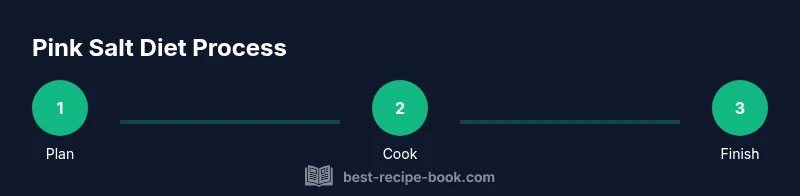
Day 1 focuses on awareness: track how much salt you add at meals and reflect on how it affects flavor. Day 2 introduces pink salt in a few controlled quantities, emphasizing herbs, acids, and textures to boost flavor. Day 3 measures response: assess energy, digestion, and how meals feel. Throughout, keep hydration up and rely on nutrient-dense foods as the foundation. This starter plan is designed to show pace and feasibility, not to enforce a rigid rule. Tailor the plan to your preferences while staying mindful of total sodium exposure.
How to adapt for dietary restrictions or medical conditions
If you follow a renal, cardiovascular, or other medically guided diet, consult a clinician before adopting any salty protocol. You can still enjoy flavorful meals by focusing on whole foods, greens, lean proteins, and healthy fats with careful use of pink salt. For vegetarians or vegans, rely on plant-based protein sources, legumes, and grains, seasoning with pink salt in small quantities. For those with hypertension, prioritize potassium-rich foods (when recommended by your doctor) and limit processed sodium. This approach supports safe, sustainable eating habits that align with personal health goals.
Tracking progress and adjustments
Keep a simple log of meals, taste satisfaction, energy levels, and hydration. Look for patterns such as meals that taste better with less salt or days where salt feels excessive. Use those insights to adjust later meals and overall planning. Over time, you’ll build confidence in recognizing flavor balance and knowing when pink salt helps rather than hinders your health goals.
Authority sources and practical references
For readers who want to dive deeper, consult credible nutrition resources and medical guidelines. The discussion here reflects a practical home-cook approach and is not medical advice. See the following sources for context on salt, minerals, and dietary balance:
- https://www.cdc.gov/salt
- https://www.nhlbi.nih.gov/health/health-topics/sodium
- https://www.mayoclinic.org/healthy-lifestyle/nutrition-and-healthy-eating/in-depth/sodium/art-20045874
Tools & Materials
- Cutting board(Stable surface for chopping ingredients; choose a wide board (at least 12" x 18").)
- Chef's knife (8-10 inch)(Balanced weight for slicing vegetables and proteins.)
- Measuring spoons and cups(Accurate small quantities for salt and seasonings.)
- Kitchen scale(Precise salt measurement in grams; helps with consistency.)
- Mixing bowls (various sizes)(For marinating, mixing, and resting doughs or grains.)
- Saucepan or skillet(For cooking sauces, grains, and stir-fries.)
- Oven or toaster oven(Optional for roasting vegetables or finishing dishes.)
- Notebook or digital meal-planning app(Track recipes, salt amounts, and daily totals.)
Steps
Estimated time: 60-120 minutes
- 1
Define goals and constraints
Clarify personal health targets, daily activity, and any medical considerations before starting. Write down your salt-usage boundaries and flavor preferences to guide recipe choices.
Tip: Document any health conditions and medications that affect salt needs; this informs safe planning. - 2
Assess current salt intake
Review typical meals to estimate salt exposure from condiments, sauces, and processed foods. Use a simple log for one week to identify high-sodium habits.
Tip: Identify three foods that contribute the most sodium and plan low-sodium swaps. - 3
Choose pink salt forms
Decide whether you’ll use Himalayan pink salt, pink rock salt, or pink sea salt, noting mineral content and flavor differences. Use the form that best suits your taste and budget.
Tip: Opt for coarse salt for finishing, and finer varieties for cooking to control distribution. - 4
Plan a balanced framework
Create a meal structure focused on vegetables, lean protein, whole grains, and healthy fats. Reserve pink salt for finishing and light seasoning.
Tip: Use herbs, citrus, and vinegars to build flavor without relying on salt. - 5
Prepare pink-salt-friendly meals
Cook with fresh ingredients and layer flavors through acids, aromatics, and textures. Add pink salt at the end to control sodium exposure.
Tip: Taste progressively; a little salt goes a long way. - 6
Monitor minerals and hydration
Track your intake of sodium and other minerals through meals and ensure adequate water intake. Hydration supports electrolyte balance.
Tip: Keep a water bottle handy during cooking and aim for steady hydration. - 7
Adjust based on feedback
If meals feel bland or if you experience bloating, reassess seasoning levels, hydration, and food variety. Make small, incremental changes.
Tip: Avoid drastic salt reductions; gradual adjustments sustain flavor and compliance. - 8
Create a weekly plan
Draft a simple 5-7 day plan with pink-salt-inclusive meals, shopping lists, and batch-prep ideas.
Tip: Batch-cook staples like grains and roasted vegetables to simplify weeknight meals.
People Also Ask
What exactly is the pink salt diet, and how does it differ from regular salt use?
The pink salt diet isn’t a formal medical plan; it’s a cooking approach that emphasizes mindful use of Himalayan pink salt as a flavor enhancer within a balanced, whole-food framework. It differs from typical salt-heavy dishes by prioritizing nutrient-dense ingredients and taste-driven seasoning rather than simply adding salt for flavor.
It’s a cooking approach that uses pink salt more for flavor than as a nutrition fix.
Is the pink salt diet safe for people with high blood pressure or kidney issues?
Salt sensitivity varies by person. If you have hypertension or kidney concerns, talk to a healthcare provider before adjusting salt intake. Focus on whole foods, keep processed items limited, and use pink salt sparingly.
If you have health conditions, check with your doctor before changing salt use.
Can pink salt replace other minerals in a diet?
No. Pink salt provides trace minerals in very small amounts and should not replace a varied diet. Prioritize vegetables, legumes, whole grains, and lean proteins for mineral balance.
Pink salt isn't a replacement for a diverse diet; focus on real foods for minerals.
How much pink salt is appropriate to use daily?
There isn’t a universal number suitable for everyone. Use pink salt to finish meals and flavor, and be mindful of total sodium by considering all sources in your diet. Adjust based on taste and health needs.
Use salt to taste and monitor overall sodium from all foods.
Where can I buy pink salt, and what should I look for?
Pink salt is widely available in grocery stores and online. Look for pure pink salt without additives and check for a flaky or coarse variety you can finish with. Compare mineral content, price, and packaging.
Look for pure pink salt with minimal additives and choose a type you like to finish dishes.
Can I cook with pink salt in all recipes?
You can use pink salt in many dishes, but use less in recipes with salty bases or processed ingredients. For best flavor control, add pink salt at the end whenever possible.
Yes, but start with less and finish with a small amount to taste.
Watch Video
Key Takeaways
- Define health goals before starting.
- Balance salt use with whole-food meals.
- Use pink salt as a flavor enhancer, not a main nutrient source.
- Monitor hydration and sodium intake regularly.
- Plan meals weekly to sustain consistency.