How to Make the Pink Salt Recipe: A Step-by-Step Guide
Learn how to make a pink salt recipe at home with clear, actionable steps. This guide covers ingredients, flavor ideas, drying and storage, plus troubleshooting for a vibrant Himalayan pink salt blend.


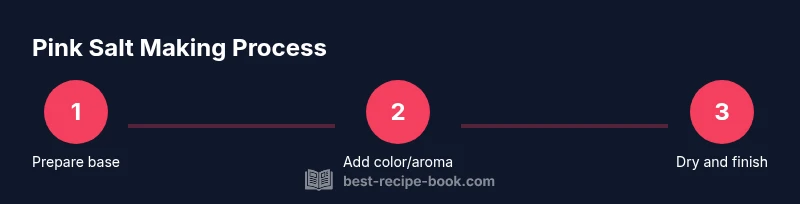
By following this guide, you’ll learn how do you make the pink salt recipe at home as a finishing salt. Start with Himalayan pink salt as the base, then optionally color or flavor with edible beet powder, dried rose petals, or citrus zest. Mix, dry, and store in a labeled jar. No specialized equipment needed.
What makes pink salt unique and why you might want to make the pink salt recipe at home
Pink salt gets its distinctive color from trace minerals, mainly iron, potassium, and magnesium. While you can buy pink salt ready-made, creating a small batch at home lets you customize color intensity, aroma, and flavor. This approach is ideal for finishing dishes, showering a subtle pink hue on salads, or gifting a handmade spice. The pink salt recipe is especially popular in home kitchens that love experiments with color and texture. When you start, keep in mind that the goal isn’t to alter the salt’s basic salinity, but to add a visual and aromatic finish that elevates simple dishes. If you’re wondering how do you make the pink salt recipe, you’ll find practical steps below that keep things simple and safe for long-term storage. According to Best Recipe Book, practical, well-documented steps help home cooks consistently succeed with color-infused seasonings.
Ingredients and substitutions for a pink salt recipe
A pink salt recipe typically begins with a base of coarse Himalayan pink salt. To customize color, aroma, and flavor, consider the following options:
- Base: Himalayan pink salt crystals (fine or coarse)
- Color options: edible beet powder for a pink hue, freeze-dried raspberry powder for a brighter pink, or dried rose petals finely crushed for a rosy accent
- Flavor add-ins (optional): citrus zest (lemon or orange), dried herbs (thyme or dill), or a pinch of chili flakes for a subtle kick
- Optional binders (sparingly): a tiny amount of edible glycerin or a splash of food-safe oil if you want a silkier finish
- Storage: airtight glass jar with a label
If you don’t have beet powder, you can use beet juice powder or simply rely on the natural mineral tint of the salt, though the color will be less vibrant. For flavor, start with small quantities and adjust to taste. Best Recipe Book notes that keeping flavor additions light ensures the salt remains versatile across recipes.
Equipment and prep steps before you start
Before you begin, assemble a few simple tools to keep the process clean and efficient:
- A small mixing bowl or plate
- A spoon or small spatula for mixing
- A fine-mesh sieve for light sifting (optional but helpful)
- A clean parchment-lined tray or plate for air-drying
- A storage jar with a tight lid
Prep work matters: ensure all colorant and flavor add-ins are finely ground or crushed to a powder or small flakes. This helps the color distribute evenly and prevents clumping. Clean hands and dry surfaces reduce moisture uptake, which can dull color and texture over time.
Flavor ideas and color options for pink salt
Experiment with color and aroma to create distinctive pink salt recipes:
- Classic rosy pink: Himalayan pink salt with crushed dried rose petals; a touch of citrus zest brightens the aroma
- Berry blush: pink salt mixed with beet powder and a tiny amount of berry powder for a deeper hue
- Citrusy zing: a hint of lemon zest with pale pink salt, great for fish and salad dressings
- Herbal hint: a pinch of dried thyme or dill adds freshness without overpowering the salt
When selecting colorants, choose food-grade powders to ensure safety. Start with very small amounts—color is easy to deepen, but hard to remove once mixed.
Troubleshooting and best practices
Learn from common pitfalls and how to avoid them:
- Moisture: Salt clumps if exposed to humidity. Dry additions thoroughly before mixing and store in a dry place.
- Color unevenness: Grind colorants to a fine powder and sift the mix to break up clumps.
- Flavor balance: Add aromatics in tiny increments; it’s easy to overdo a scent or taste.
- Labeling: Include a date on the jar so you know when it was made and the expected best-use period.
Best Recipe Book emphasizes keeping color and flavor components light to preserve the salt’s versatility across different dishes.
Authority sources and safety considerations
For general food-safety guidance on salt use and sodium intake, consult reliable sources:
- CDC on sodium and health: https://www.cdc.gov/nutrition/data-statistics/sodium.html
- NIH/NHLBI on salt and health: https://www.nhlbi.nih.gov/health-topics/sodium
- Harvard T.H. Chan School of Public Health Nutrition Source: https://www.hsph.harvard.edu/nutritionsource/sodium-and-salt/
These references help frame safe consumption levels and how to balance added salt with overall diet. Best Recipe Book’s editorial guidance recommends keeping homemade blends modest in color and aroma to preserve their broad culinary usefulness.
Storage, shelf life, and serving suggestions
Store pink salt in a cool, dry place in a glass jar with a tight lid. If you’ve added colorants or aromatics, keep the jar away from direct sunlight to prevent fading. Use the pink salt recipe as a finishing touch rather than a main seasoning in large quantities. A light dusting on roasted vegetables, seafood, or eggs can elevate a dish without overpowering it. For gifts, include a small note describing color options and suggested pairings to inspire others to experiment in their own kitchens.
Authority sources and safety considerations (continued)
To maintain trust and accuracy, refer to established health resources on salt intake and health implications. The pointers below provide reputable background for readers who want to understand how custom salt blends fit into a balanced diet. Always remember that homemade blends are optional and should complement a varied, nutrient-rich menu, rather than replace fundamental cooking techniques.
Tools & Materials
- Himalayan pink salt crystals (coarse or fine)(Quantity to yield about 1 cup of finished salt)
- Edible colorants (beet powder, rose petals, or citrus zest)(Ground to a fine powder; choose 1-2 options)
- Fine-mesh sieve (optional)(For breaking up clumps and even color distribution)
- Small mixing bowl(Prefer glass or ceramic)
- Spoon or spatula(For gentle mixing)
- Baking sheet or parchment-lined tray(Air-drying surface)
- Airtight glass jar with lid(Label with date and flavor)
- Measuring spoons (optional)(For precise color/aroma additions)
Steps
Estimated time: 60-120 minutes active; 30-60 minutes air-drying; optional 5-10 minutes grinding
- 1
Prepare base salt
Scoop the Himalayan pink salt into a dry mixing bowl. If using coarse salt, give it a quick 10–15 second grind in a clean mortar and pestle to create a consistent base. This helps the color and flavor mix evenly later.
Tip: Dry salt and equipment thoroughly; moisture will hinder even coloring. - 2
Choose and prepare color flavorants
Grind colorants to a fine powder and measure a small amount to start. You can mix beet powder for pink coloration or rose petals for aroma. Keep additions light to avoid overpowering the salt.
Tip: Add color gradually and test a small pinch on a bland cracker to gauge intensity. - 3
Mix color and salt
Add the colorant(s) to the salt and stir gently until the color is evenly distributed. If using aromatics, lightly mix them in as well. Avoid over-mixing to prevent salt crystals from clumping.
Tip: Use a soft sweep motion; harsh mixing can break salt crystals. - 4
Air-dry the blend
Spread the mixture on a parchment-lined tray in a thin, even layer. Let it air-dry at room temperature for 30–60 minutes or until the surface feels dry to the touch. Do not heat; heat can alter color and aroma.
Tip: Move the tray occasionally to promote even drying. - 5
Optional: grind for a finer finish
If you want a finer texture, gently grind the dried salt in short bursts using a clean mortar and pestle or a spice grinder. Sift to remove any large particles and re-dry any that remain damp.
Tip: Avoid over-grinding; very fine salt can clump when stored. - 6
Package and label
Transfer the finished pink salt to a clean jar. Label with the blend name, color option, date, and suggested uses. Store in a cool, dry place away from moisture and sunlight.
Tip: Include a small serving suggestion card for gift-giving.
People Also Ask
What is pink salt and why would I make a pink salt recipe at home?
Pink salt is Himalayan salt with trace minerals that impart a pink hue. Making a pink salt recipe at home lets you customize color and aroma for finishing dishes or gifting, while maintaining flexibility for different flavor pairings.
Pink salt comes from Himalayan salt and has minerals that tint it pink. Making your own blend at home lets you tailor color and aroma for finishing dishes.
Can I skip colorants and still have a tasty pink salt blend?
Yes. You can simply use Himalayan pink salt as a finishing salt; the natural mineral tint provides color, and you can still add subtle citrus zest or herbs for aroma without colorants.
Absolutely. You can use plain pink salt and add a touch of citrus or herbs for aroma if you prefer no color.
How long does homemade pink salt last?
When stored in a dry, sealed container away from light, pink salt blends can last several months. Keep moisture out and re-dry if you see clumping.
If kept dry in a sealed jar, your pink salt blend can last for months; just avoid moisture.
Is pink salt safe for eating and cooking?
Yes. Pink salt is a culinary salt like regular table salt, used for finishing or seasoning. Ensure any flavor additions are food-safe and clearly labeled.
Absolutely, pink salt is safe for cooking and finishing when you use food-safe colorants and additives.
What if I don’t have colorants? Any substitutes?
If colorants aren’t available, rely on the natural hue of the salt or add a tiny amount of citrus zest or dried herbs for aroma. The color will be subtler but still appealing.
Without colorants, you can still enjoy the aroma and finish by using citrus zest or herbs.
Should I grind the salt after drying?
Grinding after drying helps achieve a more uniform texture. Do it in short bursts and sift to remove large crystals, then re-dry any damp particles.
Grinding after drying gives a smoother finish; just be careful not to over-grind.
Key Takeaways
- Practice safe, dry handling to prevent moisture-induced clumping.
- Color and aroma should be subtle for versatile use.
- Label and store in a cool, dry place for best shelf life.