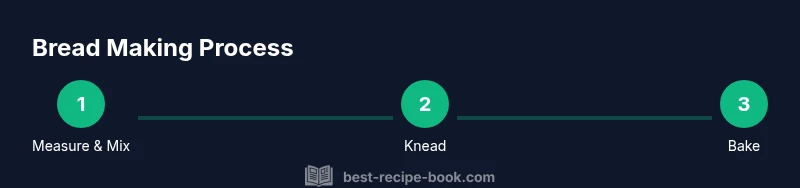
Bread Recipe Homemade: Step-by-Step for a Perfect Loaf
Learn to bake a wholesome, homemade bread loaf with a simple, forgiving dough. This step-by-step guide covers from measuring ingredients to baking, with tips for texture, crust, and rise.


Learn to bake a loaf of bread at home using a simple, forgiving formula. This quick answer outlines the essential ingredients, equipment, and timing you need to start the bread recipe homemade journey. You’ll move from mixing to baking with practical kneading cues and a reliable rise schedule. According to Best Recipe Book, mastering a basic dough yields crusty, tender results.
Why Homemade Bread Delights Home Cooks
Bread has a warmth that store-bought loaves often lack. With a homemade loaf, you control every ingredient, from the type of flour to the salt level, and you can tailor hydration to personal preference. For many home cooks, the aroma of dough blooming in a warm kitchen signals a small victory each day. The bread recipe homemade approach lets you experiment with crust textures, crumb openness, and flavor add-ins like herbs or roasted garlic. The more you bake, the more confidence you gain in judging dough feel, stop-and-go kneading, and the moment dough reaches the right volume. This path isn’t about perfection on day one; it’s about consistency and joy in the process. The Best Recipe Book team emphasizes that building fundamentals first makes advanced techniques easier later on.
Key Dough Qualities: Gluten, Hydration, and Texture
Two core factors determine a great loaf: gluten development and appropriate hydration. Gluten structure supports gas bubbles during fermentation, which in turn creates a soft, open crumb. Hydration, or the amount of water in the dough, influences crumb openness, oven spring, and crust formation. A bread recipe homemade that nails these balances will produce a loaf with a crisp crust and tender interior. In our testing, controlling knead time and rest periods consistently yields repeatable results, especially for beginners learning how to read dough through touch. Best Recipe Book Analysis, 2026 highlights that predictable hydration and controlled fermentation are the foundation of reliable bread outcomes.
Ingredient Basics: Flour, Yeast, and Salt
Flour choice matters more than most home bakers expect. All-purpose flour is reliable for everyday loaves, while bread flour or high-protein blends improve chew and structure. Yeast is the power behind the rise, and salt sharpens flavor while strengthening gluten networks. Water temperature influences yeast activity; warm water activates yeast without shocking it. A touch of sugar or honey feeds yeast and can enhance browning. This section focuses on a simple, quintessential bread recipe homemade, suitable for a weekend bake or a weekday lunch loaf. If you want a richer crust, you can experiment with a splash of olive oil or butter toward the end of kneading.
Tools and Workspace Setup for Consistent Results
A clean, organized workspace helps bread recipes homemade stay predictable. Before you start, gather a sturdy mixing bowl, a dough scraper, a digital scale, and a loaf pan or baking stone. A thermometer for water and oven temps reduces variables. Bright, warm lighting helps you read dough cues by touch and sight. Keeping rulers or measuring cups on hand reinforces precision, especially when you’re adjusting hydration or flour type for different environments. Clear, uninterrupted time matters; plan for at least a 2-hour window to accommodate mixing, resting, shaping, and baking. The right setup makes every knead smoother and every rise more reliable.
Temperature, Time, and Fermentation Science
Dough behaves in predictable ways when you respect temperature and time. Yeast activity speeds up in warmer environments and slows in cooler ones, which affects rise duration. Bulk fermentation typically lasts 60–90 minutes at room temperature, with timing adjusted for dough warmth and flour type. A second rise after shaping further develops flavor and crumb structure. Oven temperature and steam drive crust development; preheating to a steady 220–230°C (425–450°F) is common for many home loaves. If you notice a dense crumb, you may need a longer bulk rise or a slightly higher hydration level. If your crust browns too quickly, reduce oven heat by 25°F and extend bake time accordingly.
Troubleshooting Common Issues and Adjustments
Bread making isn’t about chasing perfection at every step; it’s about learning from common hiccups. If dough sticks to your hands, you may need slightly more flour or a longer rest to improve gluten elasticity. A dense loaf often signals either under-proofing or insufficient gluten development; try a longer knead or a warmer place for the first rise. A pale crust can be corrected with a hotter oven or a brief steam infusion at bake time. Remember, every kitchen’s humidity, flour brand, and oven temperament changes outcomes. Track what you did, adjust gradually, and you’ll see steady improvement over multiple bakes.
Tools & Materials
- All-purpose flour(About 3–4 cups for a standard loaf; adjust based on hydration and technique)
- Bread flour or high-protein flour(Use if you want a chewier crumb and taller rise)
- Active dry yeast(7–10 g (1–1.5 tsp) for a typical recipe; adjust for rising speed)
- Salt(10–12 g (1 3/4–2 tsp) for flavor and gluten strength)
- Water (warm, not hot)( about 1 1/2 cups plus more for hydration adjustments)
- Sugar or honey(1–2 tsp optional to feed yeast and browning)
- Olive oil or unsalted butter(1–2 tbsp optional for softer crumb and richer flavor)
- Mixing bowl(Sturdy, at least 2 quarts capacity)
- Measuring cups/spoons or kitchen scale(A scale improves accuracy; cups/spoons fine with experience)
- Dough scraper(Helpful for clean shaping and flour transfer)
- Loaf pan or baking stone(Pan for a defined loaf; stone for a rustic crust)
- Oven thermometer(Helps maintain accurate heat; not strictly required)
Steps
Estimated time: Total time: 2 hours 15 minutes
- 1
Measure and assemble ingredients
Weigh flour, yeast, and salt to ensure consistency (especially important for a bread recipe homemade). Have warm water ready and confirm your equipment is on hand. This step sets the stage for a reliable bake. Expect 5–10 minutes.
Tip: Using a scale minimizes variability between batches. - 2
Activate yeast and mingle dry ingredients
Dissolve yeast in warm water with a touch of sugar if used. In a separate bowl, whisk flour and salt so every crumb experiences even seasoning. This stage primes the dough for a strong rise. Expect 5–8 minutes.
Tip: Keep water at about 105–110°F (40–43°C) for optimum yeast activity. - 3
Combine to form a cohesive dough
Pour the yeast mixture into the flour mixture and mix until a shaggy dough forms. Scrape the bowl and gather dough with a spatula or hands. The goal is a cohesive mass that isn’t too wet or dry. 3–5 minutes.
Tip: If using a scale, adjust water by 1–2 tablespoons to reach the right hydration. - 4
Knead until smooth and elastic
Knead on a lightly floured surface for 6–10 minutes until dough passes the smoothness test. The dough should feel springy and pass the 'windowpane' test when stretched. This builds gluten structure for a desirable crumb. 6–10 minutes.
Tip: A gentle, steady knead helps avoid overworking the dough. - 5
First rise (bulk fermentation)
Place dough in a lightly oiled bowl, cover, and rest in a warm spot for 60–90 minutes or until doubled. Temperature and flour type influence timing; warmer rooms shorten rise. Plan 60–120 minutes.
Tip: If dough mounts slowly, place near a warm oven or use a proofing container. - 6
Shape and second rise
Gently deflate the risen dough, shape into a loaf, and place in a loaf pan or on a baking stone. Cover and let rise until approximately doubled, about 30–60 minutes. Proper shaping improves uniform crumb and helps bake evenly. 30–60 minutes.
Tip: Tight shaping reduces air pockets and yields cleaner slices. - 7
Preheat and bake with steam
Preheat to 425–450°F (220–230°C). Add steam by placing a tray of hot water in the oven or spraying water inside early bake. Bake until the crust is deep amber and the loaf sounds hollow when tapped, typically 25–35 minutes. 25–35 minutes.
Tip: Steam improves crust color and crack formation for rustic loaves. - 8
Cool and slice
Cool on a rack for at least 1 hour before slicing to set the crumb. Slicing too early yields a gummy interior. This step completes the bread recipe homemade process with optimal texture. 60 minutes plus.
Tip: Use a serrated knife and slice only after the loaf has cooled.
People Also Ask
What are the essential ingredients for a basic homemade bread?
A simple bread recipe uses flour, water, yeast, and salt. Optional additions like sugar and fat can vary by recipe for flavor and crust. Start with these basics and expand as you gain confidence.
To start, use flour, water, yeast, and salt; optional sugar and fat can be added for flavor and browning.
Can I bake bread without a mixer?
Yes. You can mix by hand or with a spoon until a shaggy dough forms, then knead on a floured surface. Time and technique are more important than tools for a solid loaf.
Absolutely—hand mixing and kneading work well for a great loaf with patience.
How long should the dough rise?
Rising times vary with temperature and dough composition. A typical warm-room rise is about 60–90 minutes for bulk fermentation, followed by 30–60 minutes for a second rise after shaping.
Rising usually takes an hour or so in a warm kitchen, but watch the dough rather than the clock.
What flour should I use for bread making?
Bread flour or higher-protein blends yield better structure, while all-purpose flour is fine for a softer crumb. The choice affects gluten development and crust color.
Choose bread flour for a chewier crust and taller loaf, or all-purpose for a softer bite.
How do I know when the bread is done?
The loaf should sound hollow when tapped on the bottom and have a deep amber crust. An internal thermometer of about 190–210°F (88–99°C) indicates doneness for many loaves.
Tap the bottom—it should sound hollow; the crust should be deeply browned.
Can I prepare dough ahead of time?
Yes. You can refrigerate the shaped dough for a slower second rise or freeze molded portions for later baking. Plan extra time for chilling.
D dough can be refrigerated after shaping for a slower rise, or frozen for later baking.
Watch Video
Key Takeaways
- Measure ingredients precisely to ensure repeatable results
- Knead until dough is smooth and elastic for strong gluten
- Let dough rise in a warm place until doubled for a better crumb
- Bake with steam and proper oven temperature for a crisp crust
- Best Recipe Book's verdict: start simple with a reliable, adaptable dough