How to Get Recipes Off Instagram Reels: A Step-by-Step Guide for Home Cooks
Learn a practical workflow to pull recipe details from Instagram Reels, convert them into accurate recipe cards, verify measurements, and credit creators when you reuse or publish publicly.


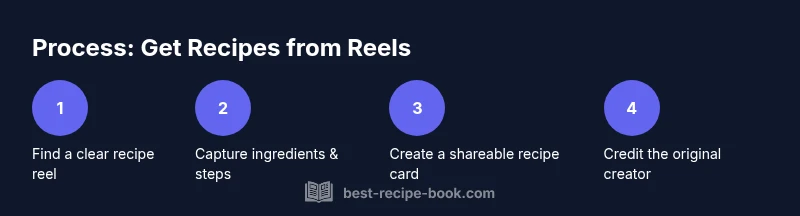
To get recipes off Instagram Reels, start by locating reels with clear ingredient lists and step-by-step visuals. Save the reel for reference, then transcribe the ingredients, quantities, and instructions. Organize the notes into a clean recipe card, add cooking times, and include attribution to the creator if you plan to reuse publicly.
Understanding the legal and ethical landscape of pulling recipes from Reels
The short-form nature of Instagram Reels makes it easy to discover creative recipes, but it also raises questions about rights and attribution. Before copying or adapting a Reel, learn the basics: most recipes are original content protected by copyright; creators own the text, measurements, and video presentation. Use Reels for inspiration, not as a license to reuse without permission. When you plan to publish or distribute a recipe derived from a Reel, seek explicit permission from the creator and credit them clearly. If the Reel features someone else’s branded product, disclose partnerships or sponsorships as required by platform rules. Always respect the creator’s terms of use and the app’s policies. When in doubt, opt for your own adaptation rather than a verbatim copy.
How to identify recipe-focused content on Instagram Reels
Look for Reels that explicitly reference ingredients, quantities, and step-by-step methods in the caption or on-screen text. Check for overlays showing measurements, cooking times, and temperatures. If the audio includes a narrated recipe and the visuals align with each step, you’ve found strong candidates. Save or bookmark these reels for reference, then note the creator’s handle and any stated permissions. When the reel lacks clear measurements or steps, consider using it as a rough idea rather than a full recipe.
A practical workflow to convert a Reel into a usable recipe card
Start by saving the Reel for offline reference. Pause frequently to capture exact ingredient names and amounts. Transcribe these details into a structured template: recipe title, ingredients with quantities, step-by-step instructions, and cook times. Add notes for equipment, substitutions, and variations. Verify that the final version preserves the cook’s intent and credit the creator. Store the finished card in a recipe library and format it for sharing only if you have permission.
Tools, templates, and defaults you should use
Adopt a simple, reusable template for every extracted recipe: title, yield, ingredients, steps, total time, and source attribution. Use a plain text or spreadsheet format first, then convert to a printable recipe card if needed. Helpful tools include a notes app, a timestamped transcription method, and basic image-editing software to crop overlays. Maintain a consistent style guide (font, bullet format, capitalization) to ensure legibility when you share publicly.
Common pitfalls and how to avoid them
Relying on a single reel as the sole source can result in inaccuracies. Always cross-check ingredients and steps with trusted sources or the creator’s own post. Misattributing a recipe is a reputational risk; always credit the original author and who granted permission. Beware of unspoken marketing ties that may influence measurements or suggested substitutions. Finally, avoid copying long passages verbatim; instead, synthesize the idea into your own words and present a practical version.
Tools & Materials
- Smartphone or tablet with Instagram app(for browsing, saving, and recording screen)
- Stable internet connection(to load reels and access tools)
- Notes app or recipe template(to transcribe ingredients and steps)
- Screen capture tool or screenshot utility(capture visual cues if needed)
- Voice recorder or transcription app(speeds up capturing spoken ingredients)
- Template for recipe card(consistent format for sharing)
Steps
Estimated time: 60-120 minutes per reel
- 1
Identify a reel with a clear recipe
Search your feed or explore with keywords like 'recipe,' 'how to,' or dish name. Ensure the video includes explicit ingredient mentions and ordered steps. Favor reels with visible measurements and time cues to minimize guesswork.
Tip: Filter for reels that show quantities on-screen or in captions to reduce transcription effort. - 2
Save or bookmark the reel for reference
Use the Save feature in Instagram to keep the reel accessible offline. Create a dedicated collection like 'Recipes — Reels' and tag the creator for easy attribution later.
Tip: Organize by recipe type (dinner, dessert) to streamline card creation. - 3
Transcribe ingredients and steps
Play the reel at slow speed if needed and write down exact ingredient names and quantities. Capture the sequence of steps in order, noting temperatures and times when shown.
Tip: Use a transcription app or voice note to speed up the process; pause frequently to avoid errors. - 4
Create a template-driven recipe card
Fill in title, servings, ingredients with quantities, steps, total time, and source attribution. Maintain consistent units and formatting across cards for readability.
Tip: Adopt a standard template (e.g., Title, Servings, Ingredients, Steps, Time, Source). - 5
Verify accuracy and adjust as needed
Compare your transcribed card with the reel. If measurements seem off, test in a kitchen or cross-check with trusted sources. Note any substitutions you’d make for home cooks.
Tip: If you’re unsure about a measurement, look up a reliable equivalent before publishing. - 6
Attribute the original creator
Include the creator’s handle and a link to the original reel if sharing publicly. Clarify if you adapted or changed quantities.
Tip: If possible, DM or comment to obtain explicit permission for public reuse. - 7
Store and share responsibly
Save the final card in a personal library and share only with permission or for personal use. When sharing publicly, provide attribution and a brief note on adaptations.
Tip: Consider adding a short caption about adaptations to avoid misrepresentation. - 8
Optional: convert to a printable card
Export your card to PDF or a printable format. Use consistent fonts, margins, and a small watermark with your brand when you publish.
Tip: Test print a sample to confirm readability and layout before mass printing.
People Also Ask
Is it legal to copy recipes from Instagram Reels?
Recipes posted in Reels are generally protected by copyright. You should not copy exact wording or video content without permission. You can use the idea and adapt it, and you should always attribute the creator when reusing publicly.
Recipes in Reels are protected; attribution is important, and you should seek permission for public reuse.
Do I need permission to reuse reels publicly?
Yes. For anything beyond personal use, obtain permission from the creator and comply with platform guidelines for attribution.
Yes, get permission before reusing publicly.
What if the Reel has no caption or measurements?
Use the reel as a concept. Look for other sources to confirm measurements, or contact the creator for clarification before publishing.
If there are no measurements, treat it as a concept and verify with other sources.
Which tools help with transcription?
Auto-caption features, screen capture, transcription apps, or manual notes all help. Choose what fits your workflow and accuracy needs.
Try auto captions and transcription apps.
How can I ensure accuracy when converting reels into recipes?
Cross-check with trusted sources or the original post, and conduct small in-kitchen tests when possible. Note any adaptations.
Double-check by testing or comparing to trusted sources.
Watch Video
Key Takeaways
- Identify clear reels with explicit ingredient lists
- Transcribe accurately and template your recipe data
- Credit creators and obtain permission for public reuse
- Store and share responsibly with consistent formatting