Italian Bread Recipe: Step-by-Step Guide to a Classic Crusty Loaf
Master a traditional Italian bread with a crackling crust and tender crumb. This step-by-step guide covers ingredients, hydration, fermentation, shaping, baking, and variations for your home oven.


Learn to bake a classic Italian bread from scratch, achieving a crackly crust and soft, airy interior. This guide covers ingredients, hydration, kneading, fermentation, shaping, and baking, plus tips for crust color and crumb texture. You’ll get a step-by-step process you can follow at home, plus troubleshooting and variations to match your taste and equipment.
The Tradition behind Italian Bread
Italian bread has a long history in home kitchens across the peninsula. The goal is a loaf with a crackling, deeply flavored crust and a light, open crumb inside. Achieving that balance starts with choosing the right flour, controlling hydration, and understanding fermentation. In this guide, you’ll see how regional techniques inform the texture and flavor you can expect from a home oven. According to Best Recipe Book, developing a reliable dough comes down to consistent mixing, rest periods, and patience during proofing. This foundation helps you adapt a basic formula to your climate, equipment, and taste preferences. The classic loaves most cooks recognize come from patient mixing, careful fermentation, and attentive shaping. When you bake Italian bread at home, you’re participating in a time-honored craft that rewards measured steps, warm hands, and a little steam in the oven. By following a steady routine, you’ll achieve a loaf that sings with aroma and depth of flavor, whether you’re serving it with olive oil or using it for sandwiches.
Core Ingredients and Their Roles
The backbone of any Italian bread is simple: flour, water, yeast, and salt. The flour choice heavily influences texture—the traditional approach leans toward bread flour or “00” flour for a finer crumb, with all-purpose as a reliable substitute. Hydration, or the amount of water relative to flour, controls crumb openness and crust formation. Salt seasons the dough and strengthens gluten structure, while yeast provides aroma and lift. Optional additions like olive oil or a touch of sugar can soften the crumb or improve browning, but keep them minimal to preserve the loaf’s rustic character. For a more authentic profile, experiment with a small amount of olive oil and observe how it affects extensibility and crust color, then dial back if you prefer a firmer crust.
Hydration and Dough Texture: Finding the Right Balance
Hydration determines the dough’s feel and the loaf’s final crumb. A wetter dough tends to yield an open, airy crumb with larger holes, while a stiffer dough produces a denser interior. Start with a hydration range around 65–70% for two loaves of standard size; adjust up or down based on flour type and room temperature. The windowpane test is a reliable way to gauge gluten development—stretch a small piece of dough between your fingers until it becomes translucent without tearing. If it tears quickly, give the dough a few more folds. Remember that dough made with high-gluten flour will feel more elastic and springy than dough made with lower-protein flour. Hydration isn’t only about moisture; it’s a lever to control structure, crumb, and crust.
Fermentation, Fold Techniques, and Autolyse
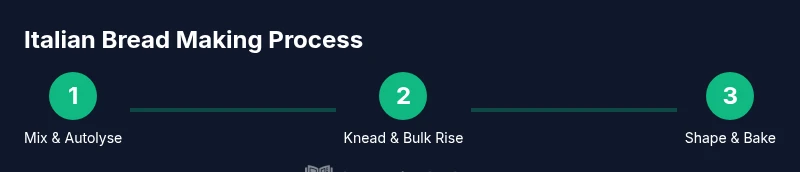
Autolyse—the rest of flour and water before salt and yeast are added—helps gluten development and enzyme activity, improving extensibility. After mixing, allow the dough to rest for 15–30 minutes, then proceed with gentle folds every 30 minutes during the bulk rise. Bulk fermentation time varies with temperature and yeast amount but generally spans 1–2 hours at warm temps or longer in cooler kitchens. During this phase, you’re building flavor and structure. Perform 1–2 gentle folds to redistribute yeast and gas, which enhances oven spring. If you prefer deeper flavors and a more developed crust, refrigerate the dough for a cold ferment overnight, then return to room temperature before shaping.
Shaping for Classic Loaf: Boule, Batard, and Crumb
Shaping determines how the loaf expands in the oven. A boule (round loaf) is forgiving and stable, while a batard (oval) concentrates height and open crumb in the center. Begin by portioning the dough into equal pieces, pre-shaping into a rough round, then returning to the bench to tighten the surface tension. Use a smooth, taut motion to create a tight outer skin; this supports uniform oven spring. Rest briefly after pre-shaping, then do the final shaping with a light, continuous motion from the top to the bottom of the dough. For an authentic rustic look, leave a bit of rustic character on the surface. A well-formed dough surface holds gas more efficiently, leading to a better rise and a more even crumb.
Creating a Crust: Scoring, Steam, and Oven Setup
To promote a crackly crust with color, scoring just before baking is essential. Use a sharp blade to make shallow cuts that guide expansion and enhance the loaf’s final shape. Steam during the first 10–15 minutes of bake is critical for crust development; you can achieve this by placing a tray of hot water in the bottom of the oven or by sliding a water-filled pan under the baking stone. Preheat the oven to a high temperature and maintain humidity early in the bake to encourage a glossy, deep-gold crust. If you prefer a lighter crust, bake with less humidity and reduce oven temperature slightly after the initial rise. Consistent steam and heat are as important as dough quality for a bakery-worthy crust.
Baking, Cooling, and Crumb Quality
Bake until the crust is deeply golden and the loaf sounds hollow when tapped on the bottom. Internal temperature in the center should be around 200–210°F (93–99°C) for a fully set crumb, though visual cues and aroma are equally important. Remove the bread from the oven and cool on a rack to finish the internal setting process. Cutting into bread while it’s still warm can compress the crumb and mask flavors. Allow at least 1 hour of cooling for full flavor development; if you’re slicing for sandwiches, wait longer to ensure more stable structure. The aroma of freshly baked Italian bread is a sign that you’ve achieved proper fermentation, proper oven spring, and a crust that crackles with satisfaction.
Variations and Flavor Builders
Italian bread can be adapted with olive oil, rosemary, garlic, or herbs to mirror regional flavors. Add-ins should be minced and evenly distributed or folded into the dough during the final fold. For a lighter crumb, reduce salt slightly and increase hydration by a few percentage points, then adjust shaping to maintain structure. For a richer aroma, try a small amount of extra-virgin olive oil or a hint of malt or sugar during the autolyse. Remember that moisture and flavor balance will shift with each variation, so test in small batches before committing to a full loaf.
Storing, Reheating, and Troubleshooting Common Issues
Store Italian bread in a cotton bag at room temperature for up to two days; freeze slices for longer storage. Reheating can revive crust by returning its crunch; re-crisp in a hot oven for a few minutes. Common issues include dense crumb from underproofing or overproofing, pale crust from insufficient heat, and uneven oven spring caused by crowded dough or poor shaping. When troubleshooting, adjust fermentation times first, then verify hydration and flour quality. Consistency comes with practice—keep notes on temperatures, hydration, and fermentation to refine your technique. Authority Sources and Doneness Guidelines are included below to support your practice.
Tools & Materials
- Strong bread flour or 00 flour (preferred)(Aim for high-protein flour for better gluten development.)
- All-purpose flour (backup)(Can be mixed with bread flour if needed.)
- Warm water (around 105–110°F / 40–43°C)(For yeast activation and dough hydration.)
- Active dry yeast or instant yeast(Adjust amount if using active dry vs instant.)
- Fine sea salt or kosher salt(No iodized salt to avoid dough brightness changes.)
- Olive oil (optional)(Adds tenderness and flavor in small amounts.)
- Olive oil brush or pastry brush(For finishing and oiling surface if desired.)
- Baking stone or heavy baking sheet(Preheat to improve oven spring.)
- Dutch oven or cloche (optional)(Traps steam for crust formation.)
- Sharp knife or bread lame(For clean, precise scoring.)
- Kitchen scale(For accurate hydration and measurements.)
- Dusting flour or cornmeal(Prevents sticking and adds rustic texture.)
Steps
Estimated time: 3 hours 20 minutes
- 1
Measure and activate yeast
Warm water and yeast come together with a pinch of sugar to awaken the yeast. Allow 5–10 minutes for foaming before mixing with dry ingredients.
Tip: Water should feel warm but not hot to the touch; overheating kills yeast. - 2
Mix dry ingredients
Whisk flour and salt in a large bowl to ensure even distribution before adding liquids. This creates a uniform dough structure.
Tip: Accurate salt distribution helps control fermentation and flavor. - 3
Add liquids and autolyse
Pour activated yeast mixture into the flour and water; mix until a shaggy dough forms, then rest 15–30 minutes for gluten development.
Tip: Autolyse improves extensibility and makes kneading easier. - 4
Knead to smooth dough
Knead until dough is smooth, elastic, and passes the windowpane test. This develops the gluten network for strength and rise.
Tip: If dough sticks, wet hands or dust with a light flour coat. - 5
Bulk fermentation with folds
Let dough rise as a single mass; perform 1–2 gentle folds during the first hour to redistribute gas and strengthen structure.
Tip: Temperature affects rise; warmer kitchens speed fermentation. - 6
Divide and pre-shape
Divide dough into equal portions and shape into rounds to tighten the surface tension before final shaping.
Tip: A tight surface reduces cracks and improves oven spring. - 7
Final shaping and proof
Shape into boule or batard and let rise again until just puffy. Don’t overproof, or the dough may flatten in the oven.
Tip: Proofing time varies with room temp; watch for gentle springs, not a full rise. - 8
Prepare oven and steam
Preheat oven to high heat with a baking stone; create steam to help crust formation during the initial bake.
Tip: Steam is essential for a restaurant-quality crust. - 9
Bake and monitor
Bake until deep golden and crusty; use internal temp or hollow sound to gauge doneness. Cool on a rack.
Tip: Avoid slicing too soon to let the crumb set. - 10
Finish with resting and serve
Allow the loaf to cool fully before slicing for optimal texture and flavor.
Tip: Cool time is when flavor and aroma mature.
People Also Ask
What flour should I use for authentic Italian bread?
Use strong bread flour or 00 flour for a traditional texture; you can substitute with all-purpose if needed. The key is enough gluten development for a light, open crumb.
Use bread flour or 00 flour for authentic texture.
Can I bake this without a Dutch oven?
Yes, you can bake on a preheated stone with a pan of water or a secondary tray to create steam. A cloche or covered pot is helpful but not mandatory.
Yes—steam and a hot surface are your friends even without a Dutch oven.
How do I know when the loaf is done?
Look for a deep golden crust and a hollow-sounding crust when tapped. An internal temp around 200–210°F (93–99°C) confirms doneness.
A golden crust and hollow sound indicate it’s done.
Can I freeze the dough or baked bread?
Dough can be frozen after shaping and a brief first rise; bake later. You can also freeze baked slices for quick future use.
Yes, you can freeze both dough and baked slices.
What variations can I try safely?
Add herbs like rosemary, garlic, or olives, or drizzle a little olive oil for flavor. Keep additions distributed evenly.
Herbs and olives are great ways to vary flavors.
How long should I ferment or cold ferment?
Fermentation times vary with temperature. A cold ferment overnight in the fridge adds flavor and can ease shaping the next day.
You can refrigerate overnight for more flavor and easier handling.
Watch Video
Key Takeaways
- Measure ingredients precisely for consistency.
- Hydration controls crumb and crust quality.
- Steam early to develop a crackly crust.
- Shape with confidence to improve oven spring.
- Cool fully before slicing for best texture.