Rib Roast Recipe: Step-by-Step Guide to Juicy Prime Rib
Master a rib roast with clear steps, temps, and resting tips. This guide covers cut selection, seasoning, roasting, resting, and carving for a show-stopping centerpiece.


Master a rib roast by choosing the right cut, applying a simple rub, searing briefly, and roasting with a two-stage method for even, juicy doneness. This guide covers selection, seasoning, temperatures, resting, carving, and practical tips to ensure a flawless, restaurant-quality centerpiece for any holiday table this season at home.
Why rib roast is the centerpiece you want
A rib roast recipe is a classic centerpiece that elevates any feast, from holiday dinners to special occasions. The goal is a tender, juicy interior with a deeply savory crust. The rib roast’s marbling and the presence of bone-or boneless options offer different flavor dynamics, but the result should be a uniform doneness from edge to center. When you choose a rib roast, you’re selecting more than a cut of beef—you’re choosing a built-in flavor profile and a dramatic presentation that redefines weeknight cooking into a memorable event. In this guide, we’ll walk through practical steps to select the right roast, season it effectively, and cook it with confidence. The rib roast recipe you follow here emphasizes actionable methods, precise temperatures, and patient resting to ensure every slice is flavorful and perfectly tender.
Choosing the right rib roast and trim
Bone-in or boneless, rib roasts come with variations in weight, trimming, and bone-on flavor. Start by considering how many people you’re feeding and whether you want the extra drama of the bone rack for presentation. Look for a roast with even thickness, bright red color, and a reasonable cap of fat that will render during cooking. If you’re unsure, ask your butcher to trim for roasting and leave a modest fat cap for flavor. A well-chosen roast sets the foundation for a rib roast recipe that stays juicy and evenly cooked from edge to center.
Preparing the roast: pat dry, season, and bring to room temperature
Pat the roast dry with paper towels to promote crust formation. If you’re using a bone-in rack, tie the roast with butcher’s twine so it cooks evenly and fits neatly in the pan. Let the meat sit at room temperature for 60–90 minutes before roasting to reduce the temperature gap between the center and exterior. Preheat your oven to a high initial temperature to bluntly start browning, then switch to a steady, lower heat to finish cooking. This preparation stage is crucial for achieving a crusty exterior and a tender interior in a rib roast recipe.
Rubs and flavor ideas for rib roast recipe
For a reliable, crowd-pleasing rib roast recipe, start with a simple salt-and-pepper rub. Add aromatics like minced garlic, chopped rosemary, and thyme for a classic herb profile, or experiment with peppercorn crusts and coffee rubs for a deeper crust. If you prefer lighter seasoning, go with a garlic-herb mix and a drizzle of olive oil to help the bark form. Whatever rub you choose, apply it evenly over all surfaces just before roasting. The right rub complements the meat’s natural flavor and enhances the overall texture of the finished roast.
The two-stage roasting method: sear then roast
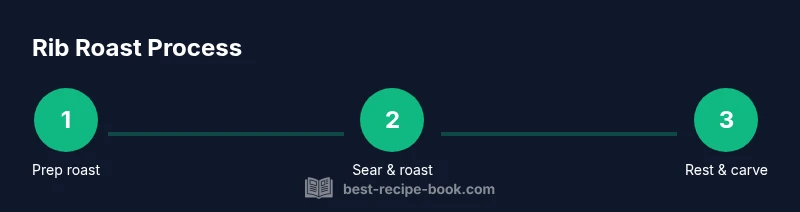
Many rib roast recipes benefit from a two-stage approach: a short, intense sear to develop color and crust, followed by a long, gentle roast to finish. Start with high heat for about 10–15 minutes to set the crust, then reduce to a moderate temperature (often around 325°F / 165°C) and roast until the center reaches the desired internal temperature. The two-stage method produces a crusty exterior while preserving a juicy, evenly cooked interior. Keep a thermometer in the thickest part of the roast to monitor progress without overcooking.
Roasting times, temperatures, and doneness checks
Rely primarily on a meat thermometer to determine doneness rather than chasing exact times. For a rib roast, aim for an internal temperature of about 125–130°F (52–54°C) for rare, 130–135°F (54–57°C) for medium-rare, and 135–145°F (57–63°C) for medium after resting. Remember that carryover heat will raise the final temperature by about 5–10°F (3–6°C) while the roast rests. Use the thermometer to gauge progress and avoid cutting into the roast too early. This approach keeps the rib roast recipe reliable across ovens and pan configurations.
Resting, carving, and serving rib roast
Rest the roast, tented loosely with foil, for 20–30 minutes after removing it from the oven. Resting allows juices to redistribute, resulting in a more flavorful slice. Carve against the grain in even slices, starting with the portion closest to the ribs if you want the classic rib presentation. Arrange slices on a warm platter, spoon a little pan sauce over them, and finish with a sprinkle of finishing salt or chopped herbs for color. A well-rested rib roast recipe delivers both aroma and tenderness in every bite.
Make-ahead and seasonal serving ideas
If you’re planning ahead, you can dry-brine the roast a day before cooking to intensify flavor. Keep the roast uncovered in the fridge for up to 24 hours to dry the surface, then brush with oil and apply herbs before roasting. For seasonal menus, pair rib roast with roasted root vegetables, a rich pan gravy, and a bright horseradish cream to balance the richness. Leftovers can become sandwiches, stews, or shredded beef for quick weeknight meals.
Troubleshooting common issues
Common rib roast recipe missteps include over-seasoning, uneven doneness, or a soggy crust from moisture. To prevent this, pat dry thoroughly, avoid opening the oven door during the roasting window, and monitor internal temperature closely. If the crust isn’t browning, raise the oven temperature briefly toward the end. If the center remains underdone after the rest period, return to the oven in short bursts of 5–10 minutes and recheck with a thermometer.
Tools & Materials
- Bone-in or boneless rib roast(Choose according to serving size; bone-in adds flavor and presentation.)
- Kosher salt(Season generously for a reliable crust.)
- Freshly ground black pepper(Coarsely cracked for texture.)
- Garlic (minced) or garlic powder(Optional for rub—adjust to taste.)
- Fresh herbs (rosemary, thyme)(Adds aromatic notes.)
- Olive oil or high-smoke oil(Helps rub adhere and promotes crust.)
- Butcher's twine(Ties roast if bone-in for even cooking.)
- Roasting pan with rack(Ensures even heat circulation.)
- Meat thermometer (instant-read or probe)(Critical for doneness without guesswork.)
- Kitchen knife and carving board(Sharp blade for clean slices.)
- Aluminum foil(Tent roast during resting.)
- Paper towels(Pat surfaces dry before seasoning.)
Steps
Estimated time: Estimated total time: 2 hours 30 minutes
- 1
Select and trim the roast
Choose bone-in for best flavor and easier carving, or boneless for quicker cooking. If needed, trim excess fat but leave a light cap to baste during roasting. Tie the roast with twine so the meat cooks evenly and fits snugly in the pan.
Tip: Pro tip: a well-trimmed roast browns more evenly and reduces flare-ups in a hot pan. - 2
Pat dry and bring to room temperature
Pat the roast dry with paper towels to promote crust formation. Let it sit at room temperature for 60–90 minutes for even cooking. Preheat the oven early so the pan is hot when you start roasting.
Tip: Pro tip: drying the surface helps achieve a crisp crust rather than a steamed finish. - 3
Season and apply rub
Season generously with kosher salt and pepper, then add minced garlic and chopped herbs if using. Brush with oil to help the rub adhere. Apply the rub evenly all over the surface for consistent flavor.
Tip: Pro tip: salt in advance helps penetrate the surface for deeper flavor. - 4
Optional sear to build crust
If you like a pronounced bark, sear the roast in a hot pan with a touch of oil for 1–2 minutes per side before transferring to the oven. This step adds color and flavor but can be skipped if you prefer a simpler method.
Tip: Pro tip: searing is easiest with the roast on a rack so all sides contact heat. - 5
Roast with two-stage method
Roast at a high initial temperature for color, then reduce to a steady moderate heat to finish. Maintain even heat distribution by using a rack and a sturdy pan. Keep a thermometer in the center for accuracy.
Tip: Pro tip: avoid opening the oven frequently; each door opening costs heat and can slow even cooking. - 6
Check internal temperature
Monitor the thickest part of the roast with a thermometer. Target around 125–130°F for rare, 130–135°F for medium-rare, or 135–145°F for medium as a guide. Remember carryover heat will lift the final temp by 5–10°F.
Tip: Pro tip: plan your rest time to finish just as the roast reaches target temperatures. - 7
Rest the roast
Remove from heat and tent with foil for 20–30 minutes. Resting allows juices to redistribute, making the slices tender and juicy. Do not skip this step, or you’ll cut into a grid of juices that run out.
Tip: Pro tip: rest in a warm place, not a cold counter, to preserve juiciness. - 8
Carve with a sharp blade
Carve across the grain in even slices, starting from the portion nearest the bone if bone-in for dramatic presentation. Arrange slices on a warmed platter and spoon a little pan juices over top.
Tip: Pro tip: slicing from a slightly cooled blade reduces tearing and yields clean cuts. - 9
Serve and store leftovers
Serve with a bright horseradish cream or a rich pan gravy. Refrigerate leftovers promptly in airtight containers. Reheat gently to preserve tenderness if you plan to enjoy later.
Tip: Pro tip: refrigerate within two hours of cooking to prevent bacterial growth.
People Also Ask
What is the best cut for a rib roast?
Bone-in rib roasts deliver superior flavor and more forgiving carryover cooking. Boneless roasts cook faster and can be easier to portion, but many home cooks prefer bone-in for presentation.
Bone-in roasts offer richer flavor and nicer presentation, though boneless can be quicker to cook and easier to portion.
How long should I rest a rib roast before carving?
Aim for 20 to 30 minutes of resting after removal from the oven. Resting allows juices to redistribute, resulting in juicier slices.
Rest the roast for about 20 to 30 minutes to keep juices evenly distributed.
Is searing necessary for rib roast?
Searing is optional but helps develop a flavorful crust and color. If you skip it, you can still achieve a delicious roast with a long, steady roast and proper seasoning.
Searing adds crust, but you can still get great results with a steady roast and good seasoning.
What internal temperature indicates medium-rare rib roast?
Medium-rare is typically around 130–135°F. Remember to consider carryover heat; let it rest before slicing.
Medium-rare sits around 130 to 135 degrees Fahrenheit, with carryover heat finishing the job during resting.
Should I cook with bone-in or boneless for a rib roast?
Bone-in roasts often yield more flavor and even heating, while boneless roasts can be easier to portion. Choose based on your serving needs and equipment.
Bone-in usually adds flavor and easier carving; boneless is simpler to portion.
Can I prepare rib roast ahead of time?
You can dry-brine overnight to boost flavor and then roast the next day. Reheating should be gentle to preserve texture.
Yes, you can prep ahead with dry brine and roast later, then reheat carefully.
Watch Video
Key Takeaways
- Choose bone-in for maximum flavor and presentation.
- Rely on a thermometer for precise doneness, not just time.
- Rest the roast to redistribute juices before carving.
- Finish with a simple, balanced rub for dependable results.