Short Ribs Beef Recipe: A Step-by-Step Guide
Master tender, deeply flavored short ribs with a reliable braising method. This educational guide covers cut selection, browning, liquid choices, timing, and thoughtful finishing for restaurant-quality results at home.


This guide shows how to transform tough short ribs into fork-tender beef through searing, deglazing, and braising. You’ll learn best cut selection, browning techniques, liquid choices, and timing to achieve melt-in-your-mouth results. Follow the step-by-step method for reliable, restaurant-quality short ribs beef recipe at home. This approach suits weekend cooks and busy weeknights alike, with notes on variations and common pitfalls.
Why braising short ribs yields tender, deeply flavored beef
According to Best Recipe Book, braising is the most reliable method for turning shoulder and chuck cuts into fork-tender, melt-in-your-mouth goodness. Short ribs are rich in connective tissue; long, slow cooking breaks down collagen into luxurious, sauce-friendly meat. The goal is to stay moist while letting flavors permeate deeply. Start with high-quality short ribs, pat them dry, and season generously to promote a rich crust. The result should be meat that easily pulls apart with a fork and a sauce that clings to every bite. This approach also offers great flexibility in liquid choices, aromatics, and timing, making it suitable for both weekend cooks and busy weeknights.
Choosing the best short ribs and trimming tips
Select bone-in English-cut short ribs for the best balance of meat, fat, and bone for flavor. Look for pieces that are evenly sized with a comfortable thickness; trim excess fat but leave a thin fat cap to baste the meat during browning. If you prefer a leaner finish, you can opt for boneless ribs, though the texture will differ and you may lose some depth of flavor. Dry the ribs well after trimming to maximize browning. Consistency in piece size helps ensure even cooking, which is crucial for a reliable braise.
The science of browning: Maillard reaction and flavor
Browning meat initiates the Maillard reaction, creating complex flavors that enrich both the meat and the final sauce. Do not crowd the pan; work in batches to form a deep crust on each piece. Let the ribs sit undisturbed to form a good sear before turning. Drain excess fat so the crust stays crisp rather than greasy. The browned bits on the bottom of the pot are packed with flavor and will be released when you deglaze with wine or stock, lifting those flavors into the braising liquid.
Building a robust braising liquid: choosing wine, stock, acidity
Aim for a balanced braise that supports the meat rather than overwhelms it. Use a dry red wine (1-1.5 cups) alongside beef stock to create a generous liquid that will envelop the ribs. Add aromatics such as onions, garlic, carrots, thyme, and bay leaves. A touch of tomato paste adds depth without overpowering the beef’s natural savoriness. A small splash of vinegar or lemon juice at the end can brighten the dish without making it sour. The key is a liquid that mirrors familiar beef flavors while offering a gentle acidity to keep the sauce lively.
Aromatics and herbs that elevate short ribs
Classic mirepoix (onions, carrots, celery) provides a savory backbone, while garlic, mushrooms, and fresh herbs lift the aroma. Thyme, rosemary, and bay leaves are reliable choices; you can also experiment with a pinch of cumin or smoked paprika for a subtle warmth. Salt should be added in stages: salt early to help flavor penetrate, then adjust at the end to balance the final sauce. Fresh herbs added near the end preserve brightness and aroma.
Browning to braise: step-by-step flavor development
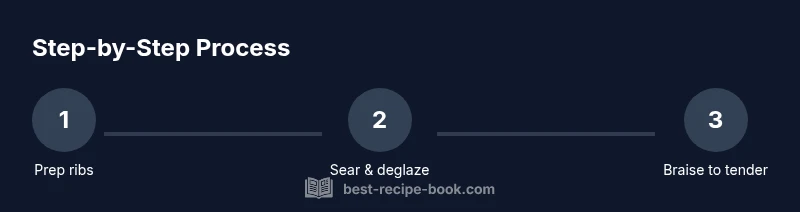
Brown all ribs in batches to maximize crust and minimize steaming. Remove the meat, then sauté aromatics in the rendered fat until translucent and fragrant. Return the meat to the pot, pour in braising liquid to come about halfway up the ribs, and bring to a gentle simmer. Skim off foam and excess fat as needed. Cover tightly and braise at a steady temperature until the meat is tender enough to pull apart. The slow, layered flavor develops as the sauce thickens slightly during cooking.
Oven braising vs. stove-top braising vs. slow cooker pros and cons
An oven braise at 325°F (165°C) provides uniform heat and sensible hands-off control. Stove-top braising offers more hands-on oversight and frequent checks; rotate the pot as needed for even cooking. Slow cookers are convenient but can yield a different texture; finishing with a quick reduction on the stovetop helps unify flavors and reduce excess moisture. Choose the method that fits your schedule and equipment while preserving the desired tenderness and sauce consistency.
Temperature, timing, and doneness: how to know when it's perfect
Tender ribs should shred gently with a fork and still hold their structure at the bone. Focus on texture rather than a single target temperature; bone-in ribs often finish around a pull-apart texture, with internal tenderness that emerges as collagen breaks down. Plan for 2.5-3.5 hours of braising depending on rib thickness and chosen oven or stovetop method. If the meat isn’t tender after the minimum time, continue braising in 15-minute increments, checking frequently.
Finishing touches: resting, reducing sauce, and serving ideas
Let the meat rest for 10-15 minutes after braising to redistribute juices. Skim fat and reduce the braising liquid to a glossy sauce that clings to the ribs. Serve with mashed potatoes, creamy polenta, or crusty bread to soak up the sauce; add a bright garnish of fresh herbs for contrast. A final splash of red wine or balsamic can sharpen flavors and add depth. These finishing steps bring the dish together and elevate the overall dining experience.
How to store, reheat, and re-purpose leftovers
Cool braised ribs in their liquid and refrigerate for up to 4 days, or freeze for longer storage. Reheat slowly on the stove with a splash of braising liquid to restore moisture and flavor. Leftover meat is highly versatile: turn it into tacos, shepherd’s pie, or a hearty beef stew. Properly stored braising liquid can be thickened and used as a flavorful sauce for future meals.
Tools & Materials
- Heavy-bottom Dutch oven or braising pan(3-4 quart or larger; enamel-coated preferred for easy cleaning)
- Chef's knife(Sharp, 8-inch or longer; stable cutting surface)
- Cutting board(Stable surface; large enough for ribs)
- Tongs(For searing and turning meat)
- Wood spoon or spatula(For stirring aromatics and deglazing)
- Measuring spoons/cups(Accurate salt, spice, and liquid measurements)
- Meat thermometer(Check tenderness and verify doneness, ~205°F internal for very tender fall-apart meat)
- Kitchen twine(Optional for tying ribs or bundling herb sachet)
- Red wine(Choose a dry wine you enjoy drinking)
- Beef stock(Prefer low-sodium; adjust salt later)
- Salt and pepper(Season generously during browning and later during braising)
- Optional aromatics(Tomato paste, bay leaves, thyme, mushrooms)
Steps
Estimated time: 3-4 hours
- 1
Season and dry ribs
Pat ribs dry with paper towels and season generously with salt and pepper. Let stand 15-30 minutes to draw out surface moisture for better browning.
Tip: Dry surfaces thoroughly; surface moisture prevents a deep crust. - 2
Brown ribs in batches
Heat a heavy pan with a small amount of oil until shimmering. Sear ribs in batches until deeply browned on all sides, then remove to a plate.
Tip: Do not crowd the pan; browning happens best in a single layer. - 3
Sauté aromatics
In the same pan, sauté onions and garlic until fragrant and translucent, scraping up browned bits from the bottom.
Tip: Low and slow sauté enhances sweetness without burning. - 4
Deglaze the pan
Pour in wine or stock to loosen browned bits; simmer a few minutes to reduce slightly.
Tip: This step concentrates flavor and creates a richer base for the braise. - 5
Add braising liquid
Return ribs to the pot and add enough liquid to come about halfway up the meat. Add aromatics and spices as desired.
Tip: Liquid should cover the meat enough to braise without boiling. - 6
Bring to a gentle simmer
Bring liquid to a gentle simmer, then reduce heat to maintain a steady, low simmer.
Tip: Keep the liquid at a gentle motion to avoid tougher meat from stirring. - 7
Braise until tender
Cover and braise in the oven or on the stove until meat falls apart easily when prodded with a fork.
Tip: Check tenderness at intervals; times vary with rib thickness. - 8
Skim and reduce sauce
Remove ribs and simmer the braising liquid until it thickens into a glossy sauce.
Tip: A glossy sauce coats meat and enhances perception of tenderness. - 9
Rest and finish
Let meat rest briefly, then slice or shred and return to sauce for a final coat.
Tip: Resting redistributes juices for a more succulent bite. - 10
Serve and store
Serve hot with a starch and greens; refrigerate leftovers in the sauce for up to 4 days or freeze for longer storage.
Tip: Leftovers improve with a quick reheat and a fresh spoonful of sauce.
People Also Ask
What cut of short ribs is best for braising?
Bone-in English-cut short ribs provide the best balance of meat, fat, and bone for flavor and tenderness when braised.
Bone-in English-cut short ribs are ideal for braising due to flavor and tenderness.
Can I speed up the braising process without sacrificing tenderness?
You can speed slightly by using a slightly higher oven temperature and smaller rib pieces, but tenderness will still require meaningful braising time.
You can shave minutes by reducing rib size, but true tenderness comes from adequate braising time.
Should I marinate short ribs before braising?
Marinating is optional; it can add flavor, but it’s not required. Season well and rely on browning and long braising for depth.
Marinating isn’t required. Focus on browning and braising for depth.
Is red wine essential in braising liquid?
Wine adds acidity and depth but you can substitute with extra stock if you prefer. Do not omit acidity altogether.
Wine adds depth, but you can use stock if you prefer.
What should the final sauce taste like?
The sauce should be savory with a balanced acidity and a glossy finish, enriched by the meat's fond and aromatics.
Aim for a glossy, savory sauce with a gentle acidity and depth.
How long can braised short ribs be stored?
Braised short ribs store well in the fridge for up to 4 days in their sauce or longer if frozen.
You can keep them about four days in the fridge or freeze for longer storage.
Watch Video
Key Takeaways
- Braise low and slow for tenderness
- Brown thoroughly to develop crust and depth
- Balance liquid with wine, stock, and aromatics
- Let meat rest before serving for juiciness
- Store leftovers properly and reheat gently