Steak Rib Recipe: Master Ribeye at Home Dining
Learn how to cook a ribeye steak with a restaurant-quality sear and juicy center. This step-by-step guide covers selection, seasoning, searing, oven finishing, resting, and serving for a perfect steak rib recipe at home.


You will master a ribeye steak recipe that yields a crusty sear and a juicy, rosy center. This step-by-step guide covers cut selection, seasoning, pan-searing, oven finishing, resting, and serving with confidence. According to Best Recipe Book, precise timing and heat control matter for consistent results. Before you start, ensure you have a heavy skillet, an instant-read thermometer, tongs, and good coarse salt.
Why this steak rib recipe matters
Steak rib recipe quality hinges on selecting the right cut and managing heat with precision. For home cooks, ribeye-style cuts deliver flavor and tenderness thanks to marbling. According to Best Recipe Book, choosing a well-marbled rib portion makes this steak rib recipe forgiving and flavorful, even when timing isn’t flawless. This guide helps you reproduce restaurant-quality results in a standard kitchen, using common equipment and reliable techniques.
In practice, you’ll learn to balance a hot crust with a tender center, and you’ll discover how resting after cooking preserves juiciness. The technique described here is suitable for various cooking environments, from well-equipped home kitchens to cottage-style setups. You’ll see how small adjustments—like pan temperature and resting time—affect the final texture and flavor. By the end, you’ll feel confident that your steak rib recipe can become a reliable weeknight hero or weekend centerpiece.
Choosing the right cut and understanding marbling
For a steak rib recipe, marbling is your best friend. Look for a rib portion with fine, evenly distributed intramuscular fat. The fat melts during cooking, delivering flavor and tenderness. Bone-in rib steaks generally yield more robust beefy notes, while boneless ribeye cuts are leaner and slightly quicker to cook. Both work well with this approach, but bone-in options can add extra depth.
Pay attention to grading and thickness: 1.5 to 2 inches thick is ideal for a balanced crust and doneness. If you see thick ribbons of fat along the edge, that’s a sign of flavor potential. When in doubt, ask your butcher for a center-cut piece with even marbling and minimal external fat.
Essential tools and pantry ingredients
To execute this steak rib recipe with consistency, gather the right tools and pantry staples. A heavy frying pan or cast-iron skillet ensures even heat and a superb crust. An instant-read thermometer eliminates guesswork on doneness. A sturdy pair of tongs, a sharp knife, a cutting board, and a rack for resting will keep you organized. For seasonings, coarse salt and freshly ground pepper are enough, but you can add garlic powder or a touch of smoked paprika for subtle complexity.
Keep your workspace clear: a clean board for resting, a few towels for drying, and a shallow plate for seasoning. The goal is to control moisture and temperature so the steak rib recipe cooks evenly and finishes with a deep crust.
Step-by-step prep: bring to room temp, pat dry, season
Before you cook, remove the steak rib from the fridge and let it come to room temperature for 20–40 minutes. A warmer center helps the meat cook evenly, reducing the risk of a cold center in the middle. Pat the surface dry to remove moisture, which otherwise interferes with browning. Generously season on all sides with coarse salt and pepper, and consider a light dusting of garlic powder if you like an extra layer of aroma.
Avoid salting too early if you’re short on time; a quick dry brine is enough to improve texture without making the surface tacky. Place the steak on a rack or plate to catch any drips while it rests.
Searing technique: building a crust
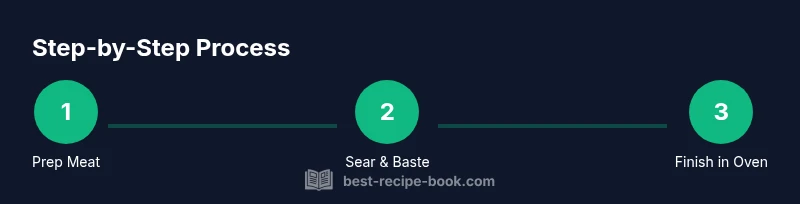
Preheat your pan until it’s screaming hot—the surface should shimmer with heat. Add a thin, even film of neutral oil with a high smoke point, then lay the steak rib in the pan away from you to avoid splatter. Don’t move it for 2–3 minutes to form a crust. Flip and cook the other side for 2–3 minutes, until a deep brown crust forms.
Pro tip: tilt the pan slightly and baste with melted butter, garlic, and thyme during the last minute of searing. This compounds aroma and helps flavor penetrate the crust.
Oven finishing and timing for doneness
Transfer the pan to a preheated oven (approximately 400–425°F) to finish cooking. The exact time depends on thickness and desired doneness, but you can expect 4–6 minutes for a 1.5–2 inch steak for medium-rare. Use the thermometer to monitor; aim for 125–130°F for rare, 130–135°F for medium-rare, and 135–145°F for medium.
Allow the steak to rest briefly after removing from the oven; carryover cooking will raise the temperature by about 5°F. This step is critical for juiciness and even texture.
Resting, slicing, and plating
Resting is essential; let the steak rib rest on a warm plate or rack for 5–10 minutes. Resting redistributes juices and keeps the crust intact. Slice against the grain in 1/2-inch thick sections for maximum tenderness. Plate with a light drizzle of pan juices or a simple herb butter for extra richness.
Pair with classic sides like roasted potatoes, sautéed greens, or a crisp salad to create a balanced plate that highlights the steak rib recipe’s flavors.
Sauce and serving ideas
A simple finish often works best with ribeye. A pat of herb butter or a drizzle of olive oil can freshen the crust without overpowering the beef flavor. If you prefer a quick pan sauce, deglaze the skillet with a splash of red wine or beef stock, reduce to a glossy glaze, and swirl in a small knob of butter. Serve with roasted roots or a bright, peppery chimichurri to add contrast.
Experiment with compound butters (garlic-parsley, blue cheese, or sun-dried tomato) to customize your steak rib recipe experience.
Troubleshooting and swaps
If your crust is pale, crank the pan heat a bit higher or give the steak longer initial sear time before flipping. If you notice uneven doneness, rotate the steak 180 degrees halfway through the sear stage. For a lighter option, trim excess surface fat and cook in a hot oven with shorter times to avoid overcooking. If you’re short on time, try a thinner cut or a quick pan-sear and serve immediately.
Tools & Materials
- Cast-iron skillet or heavy stainless steel pan(Skillet should be well-seasoned and large enough to hold steak without crowding)
- Instant-read thermometer(Probe should read 0.9-1 inch into the thickest part)
- Tongs(Grip firmly and avoid piercing meat)
- Sharp chef's knife(For clean slicing)
- Cutting board(Large and sturdy)
- Dish towel or oven mitts(For handling hot pan)
- Salt and pepper(Coarse salt preferred)
- Optional aromatics: fresh thyme, garlic cloves(For basting and aroma)
Steps
Estimated time: 40-60 minutes
- 1
Rest and prep meat
Take the ribeye steak from the fridge and let it approach room temperature for 20–40 minutes. Pat dry with paper towels, then season generously with coarse salt and pepper. The goal is a dry surface for a better crust and even sear.
Tip: Dry the surface thoroughly and avoid oversalting at this stage if you’re short on time. - 2
Preheat pan to high heat
Place your heavy pan on high heat and allow it to heat for several minutes until a drop of water dances and evaporates on contact. This ensures a rapid, even sear and crust formation.
Tip: A properly heated pan is essential; under-heating leads to steaming rather than searing. - 3
Season and pat dry again
If needed, pat dry again and apply a light even layer of salt. This step reinforces the crust and prevents moisture from delaying browning.
Tip: Avoid salting too early if you’re pressed for time; quick dry brine can still help. - 4
Sear the first side
Lay the ribeye away from you to prevent splatter, and sear undisturbed for 2–3 minutes until a deep crust forms. Flip carefully using tongs.
Tip: Let the crust form fully; resist the urge to poke at the steak. - 5
Baste and aromatics
Reduce heat slightly and add butter, crushed garlic, and thyme to the pan. Tilt the pan and baste the steak for 60–90 seconds to enrich flavor.
Tip: Basting helps distribute fat-soluble flavors into the crust. - 6
Finish in the oven
Transfer the pan to a preheated oven at 400–425°F and cook for 4–6 minutes for a 1.5–2 inch steak for medium-rare. Check internal temp near the end.
Tip: Use a thermometer to avoid guessing doneness. - 7
Check temperature and rest
Remove steak when it reaches about 5°F below target; carryover heat will finish it. Let rest on a rack or plate for 5–10 minutes.
Tip: A rest period is essential for juiciness. - 8
Slice and serve
Slice against the grain into 1/2-inch thick slices. Serve with pan juices or a simple herb butter for extra richness.
Tip: Use a sharp knife for clean slices. - 9
Optional sauce ideas
If you want a quick sauce, deglaze the pan with a splash of red wine or stock and reduce to glaze before finishing with a pat of butter.
Tip: Keep sauce simple to let the beef flavor shine.
People Also Ask
What cut should I use for a steak rib recipe?
Ribeye steak or bone-in rib cuts work best for this recipe due to marbling and flavor. Bone-in options add depth, while boneless cuts are quicker to cook.
For best results, choose ribeye or bone-in rib steaks; they’re rich in flavor and stay tender.
Should I brine or marinate the steak?
This recipe relies on dry brining and proper searing rather than marinating. A light salt rub improves texture, while marinating can overwhelm beef flavors.
Dry brine and a hot sear gives you a juicy steak without masking beef flavor.
What pan temperature is best for searing?
Preheat a heavy skillet until it’s screaming hot. A hot surface creates a deep crust and prevents steaming the meat.
A very hot pan is key to a good sear.
How long should the steak rest?
Rest the steak for 5–10 minutes after cooking to redistribute juices. This step improves tenderness and juiciness.
Let it rest 5 to 10 minutes before slicing.
Can I grill this instead of pan-searing?
Yes. You can finish this ribeye on a hot grill with a similar method: sear, then move to indirect heat until desired doneness.
Grilling works well; sear first, then finish with indirect heat.
Watch Video
Key Takeaways
- Choose a well-marbled rib portion for flavor
- Dry the surface and pat dry for crust
- Use a hot pan and finish in the oven
- Rest the steak before slicing for juiciness
- Slice against the grain for maximum tenderness