White Cake Recipe: A Classic, Light and Tender Cake
Learn a reliable white cake recipe with step-by-step instructions, tips for a tender crumb, and frosting ideas. Perfect for birthdays and holidays, this guide covers ingredients, mixing methods, bake times, and storage.


This guide helps you bake a light, tender white cake from scratch, ideal for birthdays and celebrations. You’ll learn precise measurements, proper mixing, and how to test for doneness. Essentials include room-temperature ingredients, accurate measurements (scale or cups), and a reliable oven. By the end you’ll have a dependable white cake recipe and frosting plan.
Why a White Cake Recipe Is a Classic
A white cake recipe is a timeless canvas for flavor, decoration, and celebration. Its pale crumb and neutral flavor let you tailor the experience with fillings, frostings, and toppings. According to Best Recipe Book, the white cake recipe shines because of its versatility and predictable texture when you follow precise technique. A well-made white cake is tender, moist, and sturdy enough to support layers and heavy frosting. Whether you're baking for a birthday, wedding, or a simple Sunday treat, the core steps stay the same: accurate measuring, proper temperature, and careful mixing. You’ll learn how to achieve that iconic pale crumb using a classic creaming method, a balanced fat-to-sugar ratio, and reliable leavening to lift without collapsing. Small adjustments—like replacing some of the milk with buttermilk or adding a hint of almond extract—can elevate flavor while preserving the clean profile of a true white cake. This approach keeps the recipe adaptable for different celebrations while maintaining structure for frosting, fruit fillings, or ganache on top.
The Science Behind a Tender Crumb
A tender crumb in a white cake comes from how air is incorporated and how the batter is handled. Best Recipe Book analysis shows that creaming butter and sugar to create fine air pockets is crucial for height and melt-in-the-mouth texture. The balance of fat and sugar influences moisture retention, while the leavening (baking powder) must be active but not overpowering. When eggs are added, they provide structure and emulsification, helping the crumb stay light during baking. Temperature matters: room-temperature ingredients combine more evenly, and a steady oven helps the cake rise uniformly without doming. In short, precision in timing, temperature, and mixing translates into a reliably tender, pale crumb that accepts frosting beautifully and stays moist through standard layers. Understanding this science helps you make better substitutions and adjustments without compromising texture.
Essential Ingredients and Substitutions
A white cake starts with a simple pantry lineup, but choices matter. All-purpose flour, sugar, baking powder, salt, unsalted butter, eggs, and vanilla form the base. For tenderness, some bakers replace part of the milk with buttermilk or yogurt. You can experiment with dairy-free options by using plant-based milk and a dairy-free butter substitute, though flavor and texture shifts may occur. If you need to avoid gluten, you can explore gluten-free blends designed for cake batters, but be mindful of the different absorption rates. Almond extract adds a subtle note but is optional, and a splash of lemon zest can brighten the flavor without changing the cake’s white character. Keep substitutions minimal at first—small changes produce noticeable differences in crumb and moisture. Remember: precise measuring is more important than chasing every possible substitution.
Equipment and Prep Tips
Preparing your tools and workspace prevents a chaotic bake. You’ll need two 9-inch round cake pans, parchment rounds, and a cooling rack. An electric mixer makes cream-and-sugar incorporation easier, but a sturdy whisk works if you don’t have one. Measure all dry ingredients in advance, and sift to aerate and break up clumps. Have ingredients at room temperature before you start, especially butter and eggs, so they emulsify evenly. Preheat the oven to 350°F (175°C) and position racks in the center. Sifted dry mix and cold ingredients can slow the batter’s rise, so plan your timelines to keep everything on track.
The Creaming Method: Step by Step
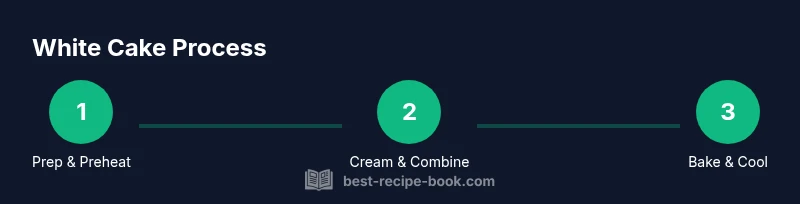
Creaming butter and sugar until pale and fluffy is the hallmark of this approach. This step creates air pockets that expand during baking, giving the cake its signature light texture. Add eggs one at a time to maintain emulsion, then fold in dry ingredients with alternating milk to keep batter smooth and not overworked. Vanilla is added with the last egg to distribute aroma evenly. Don’t rush this step; a few minutes of thorough creaming and careful mixing pay off with a consistent crumb.
Mixing Times and Temperature Control
Timing and temperature are your allies. Don’t overbeat after adding flour, or the gluten will develop too much and yield a tougher crumb. If your kitchen is warm, cool ingredients slightly before mixing, and keep the mixer at a medium speed to maintain air. Weighing ingredients improves accuracy, especially for flour and sugar, yielding consistent results across batches. If you’re using a stand mixer, set a gentle speed for the final mixing to preserve the cake’s tenderness.
Bake Time, Doneness, and Cooling
Bake at 350°F (175°C) for about 25-35 minutes, depending on your pan size and oven. Use a toothpick inserted into the center; it should emerge with a few damp crumbs, not wet batter. Let the cakes cool in their pans for 10-15 minutes before transferring to a wire rack to finish cooling completely. Level the tops with a serrated knife or cake leveler before stacking. If the tops dome, you can trim them for a flat, stable base for frosting. Proper cooling keeps the frosting from slipping and helps layers stack securely.
Frosting Options for White Cake
A white cake pairs well with a variety of frostings. Classic buttercream is a reliable choice, offering smooth texture and a clean canvas for decoration. Cream cheese frosting provides tang and moisture, excellent with fruit fillings like strawberry or lemon. For a lighter, less sweet finish, consider a simple vanilla glaze or a glossy white ganache. If you want a dairy-free option, dairy-free butter or coconut cream can be used for a workable frosting, though it alters mouthfeel slightly. For celebrations, you can also add fruit curds, whipped cream, or fresh berries between layers to keep the cake feeling fresh and vibrant without overpowering the pale crumb.
Troubleshooting and Quick Fixes
If your cake domes, slice off the domed top and level the surface before frosting. If it’s dense or heavy, you may have over-mixed the batter or used too much leavening, so next time reduce the baking powder by about 1/4 teaspoon. If the center sinks, check oven temperature with a thermometer—the oven may run hot or cool, causing rapid expansion and collapse. Should the crumb be dry, consider a touch more milk in the batter or brushing the cooled layers with a simple syrup to restore moisture. Gentle, steady mixing and careful timing are the keys to avoiding most common issues.
AUTHORITY SOURCES
For further reading and reliable guidance on cake baking and food safety, consult these sources:
- https://www.usda.gov/food-safety
- https://www.cdc.gov/foodsafety/index.html
- https://www.kingarthurbaking.com/learn/techniques/baking-basics
Tools & Materials
- Two 9-inch round cake pans(Grease and line with parchment rounds)
- Parchment rounds(Prevent sticking; cut to fit pans)
- Electric mixer or stand mixer(Cream butter and sugar until light)
- Mixing bowls(For dry and wet ingredients)
- Measuring cups and spoons(Accurate measurements)
- Kitchen scale (optional)(Precision for flour/sugar)
- Spatula and whisk(Scrape bowl; fold batter gently)
- Cooling rack(Cool layers completely)
- Ingredients: all-purpose flour(Check label for protein content)
- Sugar (granulated)
- Baking powder
- Salt
- Unsalted butter(Softened to room temp)
- Eggs(Room temperature for better emulsification)
- Vanilla extract
- Milk or buttermilk(Room temperature)
- Almond extract (optional)
- Oven thermometer (optional)(Ensure accurate bake temp)
Steps
Estimated time: 1 hour 20 minutes
- 1
Preheat and pans prep
Preheat the oven to 350°F (175°C). Grease two 9-inch round cake pans and line the bottoms with parchment rounds. This ensures easy release and an even rise.
Tip: Use parchment rounds to prevent sticking and ensure clean removal. - 2
Sift dry ingredients
Sift flour, baking powder, and salt into a bowl to remove lumps and aerate the mixture. This helps achieve a lighter crumb.
Tip: Sifting also distributes leavening evenly throughout the batter. - 3
Cream butter and sugar
Beat softened butter and granulated sugar on medium speed until pale and fluffy, 2-4 minutes. Scrape the bowl halfway through.
Tip: Creaming introduces air; don’t skip scraping to maintain an even mixture. - 4
Add eggs and vanilla
Add eggs one at a time, beating well after each addition. Mix in vanilla until fully incorporated and the batter looks smooth.
Tip: Room-temperature eggs blend more evenly and prevent curdling. - 5
Alternate dry and wet ingredients
With mixer on low, add dry ingredients in three batches, alternating with milk. Begin and end with dry ingredients to avoid overworking.
Tip: Overmixing develops gluten; mix just until the batter is smooth. - 6
Fold and portion batter
If needed, scrape and fold once to ensure no streaks of flour remain. Divide batter evenly between prepared pans and smooth the tops.
Tip: Use a scale to divide for even layers. - 7
Bake and test doneness
Bake for 25-35 minutes until a toothpick comes out with few crumbs. Rotate pans halfway for even browning.
Tip: If the tops brown too quickly, tent with foil. - 8
Cool and level
Let cakes cool in pans 10 minutes, then transfer to a rack to cool completely. Level tops if domed.
Tip: Cooling fully prevents frosting from slipping. - 9
Frost and finish
Spread frosting between layers, then cover the top and sides with a smooth coat. Chill briefly to set if using a soft frosting.
Tip: If frosting wants to crack, give it a gentle warm-up or adjust sugar ratio.
People Also Ask
Can I use self-rising flour in this white cake recipe?
Self-rising flour already contains leavening; if used, reduce or omit the baking powder by 1/4 teaspoon to avoid an overly risen or crumbly texture.
Yes, but you’ll need to adjust the leavening accordingly to keep the crumb balanced.
Can I make this dairy-free?
Yes. Use dairy-free butter and non-dairy milk. Eggs remain important for structure, and you may notice a slight flavor or texture difference depending on the substitutes.
Absolutely—just swap in dairy-free butter and milk, and you’re good to go.
Why did my cake sink in the middle?
Common causes are overmixed batter, too much leavening, or oven temperature being too low or uneven. Calibrate your oven and mix just until ingredients come together.
A sagging center usually means oven temperature or overmixing—check your oven and mix gently.
Can I bake this batter in a sheet pan?
Yes, but bake times will differ. Use a smaller tester time and check with a toothpick to avoid under- or over-done edges.
You can bake it in a sheet pan; monitor closely for doneness.
How should I store leftovers?
Store tightly wrapped at room temperature for 1-2 days or refrigerate up to 3-4 days. Freeze slices wrapped well for longer storage.
Wrap well and keep in the fridge for a few days, or freeze for longer keeping.
Watch Video
Key Takeaways
- Preheat and prep pans for easy release.
- Cream butter and sugar to trap air for tenderness.
- Test doneness with a toothpick; bake time varies by pan.
- Cool completely and level before frosting.