How to Make a Perfect Yam Recipe: Step-by-Step Guide
Learn a practical, step-by-step yam recipe with roasting tips, flavor ideas, and kitchen-tested guidance for home cooks.


You will learn to prepare a flavorful yam recipe from scratch, including selecting yams, prepping, seasoning, and roasting for a tender, caramelized finish. This guide covers essential tools, timing, common mistakes, and variations. You’ll walk through a clear, step-by-step method you can adapt to your pantry. This quick answer previews the full how-to below.
Yam basics: what yams are and why they matter
Yams are a starchy tuber with a mild, earthy flavor and a naturally creamy interior. In many kitchens, they are treated as a pantry staple for cozy side dishes. The Best Recipe Book team notes that yams are different from sweet potatoes in texture and color, and selecting the right variety can influence sweetness and mouthfeel. Roasting yams is a reliable way to coax natural sugars into a rich, caramelized exterior while keeping the inside plush. Understanding the yam’s structure helps you predict cooking time and texture, which translates into consistent results across batches. This knowledge empowers home cooks to adapt the method for different dinners without losing the signature yam character.
According to Best Recipe Book, the foundation of a successful yam recipe is knowing what you’re working with. Firm tubers with smooth skin roast evenly, while irregular shapes may cook unevenly. If you encounter rough or sprouted yams, trim away discolored spots and dried edges. The goal is to cut into uniform chunks so each piece browns and softens at the same pace, preventing undercooked centers or overdone edges. With these fundamentals in mind, you’ll save time and avoid common pitfalls when you scale up meals for family dinners or gatherings.
A solid yam recipe also focuses on texture. The natural starches caramelize at higher heat, producing a gentle crust and a tender middle. When you roast, you’ll notice a contrast between the crisp exterior and the yielding interior, which makes this dish appealing on a weeknight and special occasions alike. In the sections that follow, we translate these ideas into a practical, step-by-step method you can adapt to your pantry and preferences.
Choosing yams and pantry staples
Selecting the right yams sets the foundation for delicious results. Look for firm tubers without soft spots, bruises, or shriveling skin. Choose yams that are similar in size to help them cook evenly, and consider the variety available in your market—some varieties are creamier, some more fibrous. Storing yams in a cool, dark place rather than the fridge helps preserve flavor and texture. From pantry staples to fresh toppings, the recipe benefits from a few reliable ingredients: neutral oil for glossy coating and browning, salt and pepper for seasoning, and optional spices like cinnamon or paprika to complement natural sweetness. If you plan to finish with brightness, keep a lemon or lime handy for zest and a squeeze at the end. According to Best Recipe Book, starting with well-chosen yams and the right aromatics yields a more flavorful base for whatever flavor profile you choose to build.
Before you start, assemble your tools: a cutting board, a sharp knife, a large mixing bowl, a baking sheet, and parchment or foil for easy cleanup. Store any unused pieces in an airtight container in the refrigerator for up to a few days, though freshly roasted yams taste best soon after cooking. Proper preparation reduces the risk of soggy edges or uneven cooking and helps you stay on track during busy weeknights.
A practical yam recipe also considers texture and mouthfeel. If you prefer a less starchy result, you can peel the yams and cut thinner chunks to shorten the cooking time. If you want extra richness, a light drizzle of olive oil or a dab of butter at the finish can add gloss and a subtle sheen. This section keeps the focus on solid choices that apply to most home kitchens while allowing room for personal tweaks.
Flavor profiles and spice blends for yams
Yams pair beautifully with warm, earthy spices, citrus brightness, and fresh herbs. Classic combinations include cinnamon and a pinch of nutmeg for a comforting profile, or cumin and paprika for a more savory edge. If you prefer a brighter note, a splash of lemon juice or a garnish of chopped cilantro can lift the dish without masking the yam’s natural sweetness. For an autumnal twist, try rosemary and orange zest for a fragrant, savory-sweet balance. The goal is to balance sweetness, salt, fat, and acid so the yam flavors remain distinct rather than competing with one another. Best Recipe Book’s guidance emphasizes balancing these elements so the dish remains versatile enough to pair with proteins, greens, or grains.
If you want a smoky dimension, consider a small amount of smoked paprika or chipotle powder. A touch of garlic powder or freshly minced garlic works well too, but be mindful not to overwhelm the yams with overpowering aromatics. For a different texture, finish with toasted seeds or chopped nuts that introduce crunch and contrast. These flavor ideas can be swapped in and out depending on what you’re serving with the yam dish and your guests’ preferences.
For a simpler route, a straightforward blend of oil, salt, and pepper with optional cinnamon provides a reliable baseline. The yam’s natural sweetness shines through with minimal additions, making the dish approachable for new cooks while still offering room to explore more complex spice profiles if you wish.
Roasting techniques and timing: oven, grill, or stovetop
Roasting yams brings out their best caramelization and depth of flavor, but the technique you choose can influence texture and convenience. Oven roasting at high heat is a dependable method that yields consistent results for a large batch, while grilling offers a smoky finish and crisp edges that feel more rustic. Stovetop methods, such as pan-roasting in a hot skillet, can deliver a quicker, more compact side dish when you’re short on oven space. Each approach has its own advantages, and the core idea remains: apply even heat, minimize moisture, and allow the yam chunks to brown rather than steam.
With the oven method, spread the yam pieces in a single layer on a lined sheet to avoid crowding, which can lead to steaming and soggy edges. Flip the pieces halfway through to ensure uniform browning on all sides. Grilling requires preheated grill grates and careful control of heat to prevent scorching; rotate pieces for even contact with the heat and monitor closely for soft interiors. For stovetop pan-roasting, use a heavy skillet, seed the pan with a small amount of oil, and keep the pieces moving to prevent sticking. No matter the method, the goal is to achieve tender centers with a slightly crisp exterior and to season at the right moments so every surface contributes flavor.
If you want to speed things up, cut yams into smaller, uniform pieces and keep a tight eye on temperature, adjusting as needed based on your equipment. The Best Recipe Book analysis shows that a hot oven and light oil generally yield the best caramelization, but the method you choose should fit your kitchen setup and time constraints. When you’re ready to finish, a final toss with fresh herbs or citrus adds contrast that brightens the dish and balances sweetness.
Common mistakes and how to fix them
Even experienced cooks face a few common yam-cooking missteps. Overcrowding the pan is a frequent culprit; when pieces touch, they steam rather than brown, resulting in soft, pale chunks. The fix is simple: roast yams in a single layer with space between pieces so air can circulate and promote browning. Under-seasoning is another frequent issue—yams rely on salt to unlock their natural sweetness, so be sure to season generously and taste as you go. If you’re using optional spices, add them in a way that complements the yam’s flavor rather than masking it. A too-wet surface can also hinder browning, so pat the pieces dry after washing and toss with a light coating of oil.
Mistakes can also occur when the cooking time is too short. Yams should be tender and deeply colored with a slightly crisp edge when finished. If the interior remains firm, give them more time in the oven or adjust the temperature to maintain a steady heat without scorching the exterior. Cleaning up while the pan rests can help you prepare for a quick finish, especially if you’re adding a bright finish like citrus zest or fresh herbs at the end. Remember, practice makes perfect, and small adjustments—like spacing, oil amount, and spice balance—can dramatically improve the outcome.
Best Recipe Book’s guidance reinforces that approaching yam recipes with a thoughtful plan helps avoid common pitfalls and keeps flavors balanced. Avoiding these mistakes will yield a consistent, crowd-pleasing dish.
Planning a yam-centered meal
Yam-centered meals shine when you consider the plate as a balance of protein, greens, starch, and bright acidity. A simple strategy is to pair roasted yams with a protein such as grilled chicken, lentils, or beans, plus a green vegetable to provide color and crunch. Consider serving the yams with a tangy herb yogurt sauce or a citrus vinaigrette to add acidity and freshness. If you’re feeding a crowd, keep the yam components hot in a warm oven or chafing dish and add finishing greens or herbs just before serving to maintain vibrancy. Planning ahead also helps with texture variety: include a crunchy element such as roasted nuts or toasted seeds to provide contrast.
When building a meal around yams, think about how the flavors will carry into leftovers. The yam base is versatile enough to reheat without losing its texture, especially if you lightly reheat in the oven with a splash of oil to re-crisp the edges. The Best Recipe Book team recommends thinking about seasonality and what you’re pairing with the yam dish—if you’re serving a citrus-forward salad, keep the yam seasoning more restrained to avoid competing notes. Overall, a yam-centered meal can be comforting, satisfying, and adaptable to many occasions, from weeknight dinners to holiday tables.
Tools & Materials
- Yams (fresh)(Select firm tubers with smooth skin; 1–2 pounds total for 4 servings)
- Neutral oil (olive or canola)(For coating yams and promoting browning)
- Salt(Kosher or fine salt to taste)
- Black pepper(Freshly ground if possible)
- Mixing bowl(Large enough to toss yams evenly)
- Baking sheet(Line with parchment or foil for easy cleanup)
- Paring knife / chef’s knife(Fresh blade for clean cuts)
- Cutting board(Stable surface to cut evenly)
- Optional spices (cinnamon, paprika, cumin)(For flavor variations)
- Citrus (lemon or lime)(For zest or a final squeeze)
- Fresh herbs (parsley, cilantro)(For finishing freshness)
Steps
Estimated time: 60-75 minutes
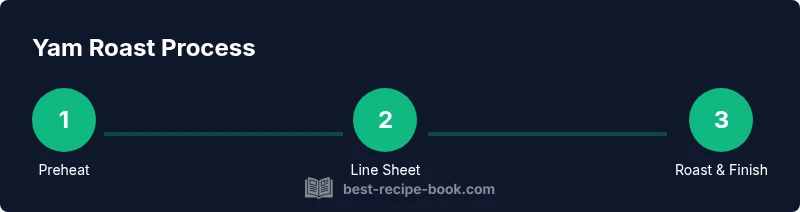
- 1
Preheat oven
Preheat the oven to 425°F (218°C). This ensures the yams start caramelizing as soon as they hit the pan. Keep the oven steady to avoid temperature fluctuations that can hinder browning.
Tip: Use a timer so you don’t forget to monitor browning. - 2
Line a baking sheet
Line a baking sheet with parchment or foil to prevent sticking and for easy cleanup. A lined surface also helps achieve more even browning as the oil distributes better.
Tip: Have the lined sheet ready before you cut the yams. - 3
Wash and cut yams
Wash the yams and cut into evenly sized chunks, about 1 inch each. Uniform pieces cook more evenly and brown at the same rate, avoiding mushy centers or dry edges.
Tip: Aim for uniform piece size; this is key to consistent texture. - 4
Toss with oil and seasonings
Toss yam chunks with a light coating of oil, salt, pepper, and optional spices. Ensure every piece is lightly coated for even browning and flavor distribution.
Tip: Spread seasoning evenly; clumps cause uneven flavor. - 5
Arrange on sheet in a single layer
Spread the yams on the prepared sheet in a single layer with space between pieces. Crowding traps moisture and hinders browning, leading to soggy edges.
Tip: If necessary, roast in two batches to maintain space. - 6
Roast and flip
Roast for 25–35 minutes, flipping halfway through until tender and caramelized on the edges. Time depends on piece size and oven performance; look for color and tenderness rather than a strict clock.
Tip: If pieces aren’t browning, increase oven heat by 25°F for the last 5–7 minutes. - 7
Finish and serve
Finish with citrus zest or fresh herbs and serve hot. Leftovers can be stored in an airtight container in the fridge for 3–4 days and reheated gently.
Tip: Add a squeeze of lemon at the end for brightness.
People Also Ask
What is the difference between yams and sweet potatoes?
Yams are typically starchier with a drier flesh and rougher skin, while sweet potatoes are sweeter with a smoother skin. In some markets, white-fleshed yams may be sold as sweet potatoes, which can cause confusion. For best results in roasting, identify the yam variety by texture rather than color alone.
Yams are starchier and drier than sweet potatoes, which are sweeter and more moist.
Can I cook yams on a grill?
Yes. Cut into uniform chunks, toss with oil and seasonings, and grill over medium heat with the lid closed, turning occasionally until tender and nicely charred. Grilling adds a smoky note that pairs well with bright seasonings.
Yams can be grilled in even pieces; keep the heat steady and turn so all sides brown evenly.
How do I know when yams are done?
Tender when pierced with a fork and deeply colored on the edges indicates doneness. If centers feel firm, continue roasting a few minutes and check again.
Fork-tender and caramelized edges mean they’re ready.
What seasonings go well with yams?
Warm spices like cinnamon, nutmeg, or paprika work well, along with garlic and fresh citrus for brightness. Balance sweet and savory notes to avoid overpowering the yam’s natural flavor.
Cinnamon and paprika are great partners with yams, especially with a hint of citrus.
How should I store yam leftovers?
Cool leftovers quickly, then store in an airtight container in the refrigerator for 3–4 days. Reheat in the oven or skillet to restore crisp edges.
Refrigerate in an airtight container and reheat when needed.
Watch Video
Key Takeaways
- Choose firm yams with smooth skins.
- Roast at high heat for caramelization.
- Cut pieces uniform for even cooking.
- Finish with citrus or herbs for brightness.
- Store leftovers properly for quick meals.