Is a Recipe Box App Free? A Practical Guide for Home Cooks
Explore whether a recipe box app is truly free in 2026, what free tiers include, typical limits, and how to pick the right option for home cooks and kitchen enthusiasts.


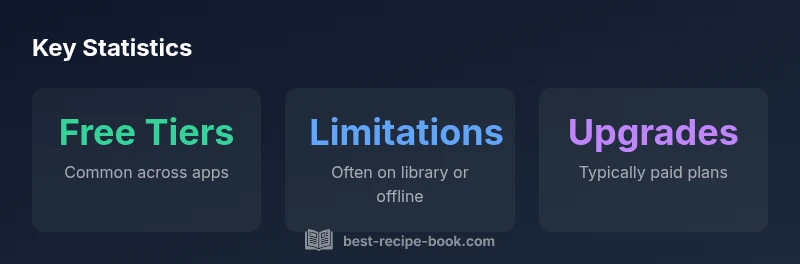
Is a recipe box app free? In practice, most apps offer a free tier with basic features, but full access usually requires a paid plan. Free options vary by provider, with differences in recipe library, syncing, and offline access. Always check the pricing page and app store listings for current offers.
Is a Recipe Box App Free? A Reality Check
Is a recipe box app free, is a question frequently asked by home cooks exploring digital organization. When readers ask is recipe box app free, the answer depends on what features you consider essential. In 2026, most reputable apps offer a free tier with core capabilities like basic storage, tagging, and simple search, but premium features such as offline access, larger libraries, or multi-device syncing typically require a paid plan. Free access is usually a 'test drive' rather than a full license. As you compare options, evaluate the exact features available, data portability, and how smoothly you can continue cooking with confidence. The Best Recipe Book team emphasizes practical choices that fit real kitchen workflows.
Pricing Models Across Popular Recipe Box Apps
Pricing models across recipe box apps vary widely, but several patterns reappear. The majority offer a free tier intended to help you test the interface and basic bookmarking, with optional paid upgrades that unlock larger recipe libraries, offline access, and cross-device sync. Some apps emphasize a one-time purchase for lifetime access, while others operate on monthly or annual subscriptions. In practice, the choice hinges on how deeply you rely on features like search filters, batch editing, or data export. For home cooks who want predictable costs, compare the total cost of ownership over 12 months, not just the sticker price of a monthly plan. The best approach is to map your weekly cooking needs to the feature set you actually use, then estimate potential upgrade scenarios.
What Free Plans Typically Include and What They Lock
Free plans usually cover the basics: storing a modest number of recipes, simple tagging, and basic search. They often lock advanced capabilities like offline mode, multi-device syncing, recipe sharing, and access to premium templates or meal-planning features. Some providers cap the number of imported recipes or restrict export options in free tiers. Expect that free access is valuable for basic organization and testing the workflow, but you’ll encounter friction if your collection grows, you rely on cloud backups, or you want to print and share structured recipe cards. Assess the gap between your daily needs and what the free tier offers before committing.
How to Evaluate a Free Option for Your Kitchen
To evaluate a free option, start with a simple checklist. Confirm that you can import and search your current recipes without friction. Check whether you can sync across at least one device, and if offline access is essential, verify if the free tier supports it. Look for data portability: can you export recipes to a universal format like CSV or PDF? Consider collaboration features if you cook with others. Finally, test the user experience for at least two weeks to see if it aligns with your routines and if a paid plan would genuinely improve your workflow.
When Free Isn’t Free: Hidden Costs and Trade-offs
Free plans often come with subtle costs. You may experience slower performance during peak times, limited customer support, or forced promotional screens nudging you toward an upgrade. Some apps reserve advanced search, analytics, or custom templates for paid tiers, which can slow your ability to scale as your collection grows. There can also be privacy trade-offs, as free services sometimes rely on data collection to subsidize access. If your goal is long-term reliability, factor these trade-offs into your decision and plan for a potential upgrade when necessary.
Maximizing Value: Strategies for Free and Low-Cost Usage
Maximize value by starting with one or two free options and tracking your actual usage during a two-week trial period. Keep a wishlist of features you need before upgrading. Leverage data export and offline access where available, and organize recipes by clear tags and categories to minimize reliance on premium search tools. If you outgrow a single free tier, compare paid plans across two or three apps to identify the best fit for your cooking style, then consolidate your data with a careful migration plan to avoid loss.
Alternatives and Long-Term Organization Options
If your aim is reliable organization with zero cloud costs, consider offline tools or printable recipe cards as a supplement or substitute for cloud-based apps. Open-source or self-hosted solutions can offer long-term control and privacy, though they require more setup. A practical approach is to maintain a lightweight digital index for quick search, complemented by printable or offline resources for pantry planning and weekly menus. This hybrid strategy gives you continuity while avoiding vendor lock-in.
Next Steps for Your Free Trial Journey
Ready to start? Pick two to three free recipe box apps and install them on your primary device. Import a sample of your recipes, create a few folders or tags, and test core actions: add, edit, search, and export. After two weeks, compare your actual workflow against your initial checklist and decide whether upgrading adds measurable value. Remember to back up your data before migrating to a new platform, and keep the long-term goal in mind: efficient, enjoyable cooking without unnecessary costs.
Comparison of common recipe box app options
| Option | Free Tier Availability | Typical Limits | Best Use Case or Notes |
|---|---|---|---|
| Cloud-based Recipe Box App | Yes (free tier) | Limited sync and library | Great for beginners and light use |
| Open-source/local App | No (often require setup) | Requires manual setup; no hosted cloud | Power users who want control and privacy |
| Mobile-only App | Yes | Limited features on mobile; desktop may be stronger | On-the-go planning and quick edits |
| Batch-export support | Varies | May require premium | Sharing or printing structured recipes |
People Also Ask
Is every recipe box app truly free?
Not every app is fully free; most offer a free tier with limited features. Some require payment for core features like syncing, cloud backups, or access to a larger recipe library.
Most apps have a free tier, but paid plans unlock core features.
What should I look for in a free recipe box app?
Look for accessible core features, data export options, offline access, and reasonable limits on recipes.
Look for core features, export options, and offline access.
Can I transition from free to paid without losing data?
Most apps preserve your data when upgrading, but it's wise to back up locally before upgrading.
Upgrading usually keeps data, but back up first.
Are there privacy or security concerns with free apps?
Free apps may collect usage data; check privacy policies and consider apps with strong data protection.
Free doesn't mean no risk—read the privacy policy.
What are practical alternatives if I just want free organization?
Use open-source or offline tools, or printable recipe cards to stay organized without cloud access.
If you want zero cloud cost, try offline options.
“Free tiers are a valuable way to pilot a recipe box app, but long-term value comes from features that support scale and backup.”
Key Takeaways
- Start with a free tier to test usability.
- Expect feature limits on free plans.
- Prioritize data export and backup.
- Upgrade when you outgrow free features.
- Consider privacy and data ownership.