Lamb Rack Recipe: Complete Step-by-Step Guide for Perfection
Learn a reliable lamb rack recipe with a bright herb crust, precise roasting, and perfect rest. From prep to plating, this educational guide covers tips, temperatures, and plating ideas for a restaurant-worthy dinner.


Master a crowd-pleasing lamb rack recipe with a bright herb crust and perfectly pink center. You’ll sear for color, roast to medium‑rare, baste for tenderness, and rest before slicing. This guide covers prep, searing, roasting temps, timing, and simple side pairings to serve a show-stopping dinner for 4–6. It assumes common kitchen equipment and standard grocery ingredients.
Why lamb rack recipe shines
Lamb rack is an elegant centerpiece that cooks quickly and reliably, making it ideal for weeknights or special occasions. According to Best Recipe Book, a well-executed lamb rack recipe depends on a bright herb crust, precise searing for color, and a careful roast that preserves juicy tenderness. The rack, typically consisting of 8 ribs, yields four to six generous portions when carved between the bones. This section explains why it works so well in home kitchens, including how to select a quality rack, whether to marinate or dry-brine, and how to tailor the herb profile to your pantry. The goal is to balance aromatics with the meat’s natural sweetness so the finish remains vibrant and not overpowering.
Flavor foundations and variations
A successful herb crust forms the flavor foundation of most lamb rack recipes. Classic combinations feature fresh rosemary, thyme, garlic, lemon zest, breadcrumbs, salt, and pepper. Dijon mustard or a light smear of olive oil helps the crust adhere and crackle in the oven. For alternatives, try a pistachio-herb crust for nuttiness, or a cumin-lemon variation for a Middle Eastern influence. Mint, parsley, or cilantro can brighten the finish, depending on your preferred profile. If you want to keep things light, skip the heavy crust and finish with a mint chimichurri after roasting. The idea is to let the lamb shine while the crust offers a complementary crunch and aroma.
Prep, sear, and pan sauces
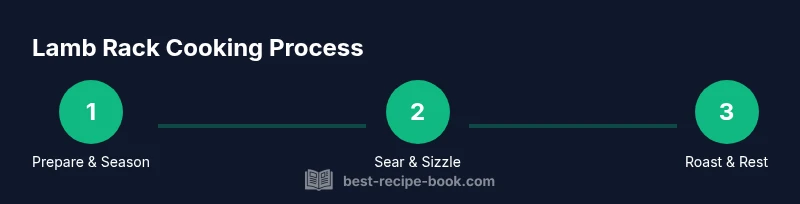
Prep begins by bringing the lamb to room temperature and patting it dry. Generously season with salt, pepper, and the herb crust. Let the meat rest 15-30 minutes so the salt dissolves and the surface dries for a better sear. Heat a heavy skillet until just smoking, add a high-heat oil, and sear the rack on all sides until deeply browned. This creates a flavorful crust anchor for the roast. For a quick pan sauce, deglaze with wine or stock, scrape up the browned bits, and simmer until reduced to a glossy finish; whisk in a small knob of butter for richness. If dairy-free, replace butter with olive oil and reduce accordingly. The sauce should echo the aromatics in the crust, not overwhelm the meat.
Roasting timing and doneness guide
Roast at 400°F (205°C) for about 12-18 minutes for medium-rare, depending on rack size and oven hot spots. Use a meat thermometer as your guide: 125-130°F (52-54°C) for medium-rare, 130-135°F (54-57°C) for a gentle progression to medium. Remove a few degrees early; carryover heat will finish the job as the meat rests. Rest the rack for 10 minutes before carving to redistribute juices and keep the meat tender. If you’re starting with a larger rack or bone-in construction, plan for a few extra minutes and verify doneness with a thermometer rather than time alone. Practicing with your own oven will help you dial in exact timing.
Plating, sides, and make-ahead tips
Carving between the ribs yields neat, restaurant-style portions that look elegant on the plate. Pair with roasted potatoes, green beans, or a bright salad for contrast. A simple pan reduction or minted yogurt can lift the overall flavor without overpowering the lamb. For make-ahead options, season ahead and refrigerate uncovered for up to 12 hours, then bring to room temperature before searing. Leftovers can be repurposed into lamb hash, shepherd’s pie, or thin slices for sandwiches. The key is to maintain tenderness and balance with fresh, crisp sides.
Authority sources
For safety and doneness guidance, consult reputable sources:
- USDA FSIS: https://www.fsis.usda.gov/
- University of Illinois Extension: https://extension.illinois.edu/
- Cornell Cooperative Extension: https://extension.cornell.edu/ These references provide practical cooking temperatures, handling tips, and general meat safety best practices that support this recipe.
Tools & Materials
- Chef’s knife(Sharp, for trimming and carving)
- Meat thermometer(Probe for accurate doneness)
- Cast-iron skillet or heavy oven-safe pan(For even searing)
- Roasting pan or shallow bake dish(Optional for resting and pan sauce)
- Kitchen tongs(For turning the rack without piercing)
- Instant-read thermometer (optional)(Quick check during roast)
- Basting brush(For crust application and sauce glazing)
- Aluminum foil(Light tent during resting)
Steps
Estimated time: Total time: 40-60 minutes (excluding optional make-ahead prep)
- 1
Prepare and season
Bring the lamb rack to room temperature, pat dry, and rub with salt, pepper, and the herb crust. Let rest 15-30 minutes so the seasoning penetrates and the surface dries for a better sear.
Tip: Season generously; salt is key for crust adhesion and flavor. - 2
Sear the rack
Heat a heavy skillet until just smoking, add oil, and sear all sides until deeply browned. Searing enhances flavor and creates a crust that holds the roast together.
Tip: Avoid overcrowding the pan; work in batches if necessary to maintain high heat. - 3
Roast to desired doneness
Transfer to a preheated oven at 400°F (205°C) and roast for 12-18 minutes for medium-rare depending on rack size. Use a thermometer for accuracy.
Tip: Check early for larger racks to prevent overcooking. - 4
Rest and glaze sauce
Remove from oven, tent lightly with foil, and rest 10 minutes. While resting, finish a quick pan sauce by deglazing the skillet with wine or stock and reducing.
Tip: Resting allows juices to redistribute for a juicier slice. - 5
Carve between the ribs
Slice the racks between the bones for neat portions. Plate with chosen sides and drizzle with the pan sauce or mint yogurt.
Tip: Let the meat rest briefly after slicing to keep juices inside. - 6
Serve with sides and variations
Offer roasted potatoes, green vegetables, or a fresh salad. Consider a mint chimichurri or pistachio crust for variation.
Tip: Keep sides simple to let the lamb shine.
People Also Ask
What is the best internal temperature for medium-rare lamb rack?
Aim for 125-130°F (52-54°C) for medium-rare. Remove from heat at 120-125°F (49-52°C) so carryover finishes it to target.
For medium-rare lamb, aim for about 125 to 130 degrees and let it rest a few minutes after cooking.
Can I marinate lamb rack overnight?
You can marinate overnight with herbs and oil; do not salt the meat too far ahead as it can draw moisture. Rinse and pat dry before searing.
Yes, you can marinate overnight with herbs and oil, just pat dry before searing.
Should I crust before or after searing?
Apply the crust before searing so it adheres to the meat and forms a flavorful crust during the initial browning.
Put the crust on before searing to help it brown and stick.
What size lamb rack should I buy?
Choose a rack with 8 ribs, usually about 1.5 to 2 pounds, depending on your portion needs. Adjust roasting time accordingly.
Most racks have eight ribs and weigh about 1.5 to 2 pounds.
Can I cook lamb rack from frozen?
It's not recommended to cook from frozen; thaw fully for even cooking and to ensure the crust adheres properly.
Better to thaw completely for even cooking and crust adhesion.
Watch Video
Key Takeaways
- Season well and rest crust to perfect adhesion
- Sear deeply for color and flavor
- Use thermometer for precise doneness
- Rest 10 minutes before slicing
- Pair with simple, bright sides