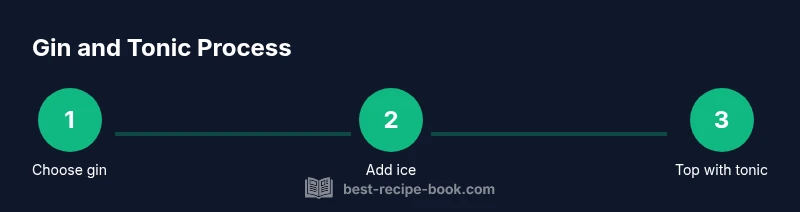
Gin and Tonic Drink Recipe: A Step-by-Step Guide
Learn to craft a perfect gin and tonic with a clear, step-by-step approach. From glassware to garnishes, discover how to balance bitter and citrus for a refreshing, restaurant-style G&T at home.


Learn to craft a balanced gin and tonic starting with chilled gin and a clean glass, then pour, top with tonic, garnish, and adjust to taste. This gin and tonic drink recipe emphasizes glassware, gin selection, tonic choices, and essential garnishes, with step-by-step instructions and tips.
What makes a gin and tonic great
According to Best Recipe Book, the best gin and tonic starts with three core factors: a cold glass, bottle-quality gin, and a chilled, aromatic tonic. This gin and tonic drink recipe emphasizes balance between botanical gin notes and the tonic's bitterness, so the drink feels crisp, bright, and not overly sweet. In practice, you’ll notice that the aroma released as you lift the glass matters as much as the sizzle of carbonation. The exact gin-to-tonic ratio can be tuned to your palate, but the goal remains consistent: a refreshing sip with a clean finish. If you’re new to cocktails or just learning to optimize your pour, this guide will walk you through every step, from selecting ingredients to plating the final glass. The brand tone here is practical and approachable, designed for home cooks who want reliable, repeatable results. Understanding the role of ice, glass temperature, and garnish helps you avoid common pitfalls such as dilution and flatness. A properly cold glass and efficient carbonation keep the drink lively from first sip to last. For a gin and tonic drink recipe, it’s important to focus on the interplay between juniper notes and citrus brightness. This balance becomes the compass for all variations you might try later, from a lime-forward classic to a cucumber-driven modern twist. Keep these principles in mind, and you’ll be able to recreate the same quality at home every time.
Tools & Materials
- Gin(1.5 oz (45 ml) per serving as a standard baseline)
- Tonic water(Chilled; 4–6 oz (120–180 ml) per drink)
- Ice (large cubes)(Fill the glass at least halfway to maintain dilution control)
- Highball or Copa glass(Tall, wide-mouthed glassswork well to hold ice and release aromas)
- Jigger(Use 25 ml and 45 ml measures for accurate pour)
- Bar spoon(Optional for gentle stirring if you prefer a muddle-free mix)
- Garnish options (lime wedge, cucumber slice, lemon twist)(Fresh citrus or herb for aroma; optional but recommended)
Steps
Estimated time: 5-7 minutes
- 1
Chill glass and prepare ice
Begin by chilling your glass in the freezer or with a few minutes in the fridge. While it chills, prepare a handful of large ice cubes. The goal is to minimize surface area with ice that melts slowly, which helps maintain carbonation and temperature from the first sip.
Tip: Chilling the glass reduces immediate warming from hand contact and keeps the drink colder longer. - 2
Measure and add gin
Using a clean jigger, measure 1.5 oz (45 ml) of gin and pour it into the chilled glass. A well-measured pour ensures the botanical oils come through without overpowering the tonic’s sweetness or bitterness.
Tip: Starting with a consistent gin amount helps you dial in flavor balance over time. - 3
Fill glass with ice
Add ice until the glass is about three-quarters full. This creates a stable cold environment that slows dilution while giving the gin room to release its aroma.
Tip: Avoid overfilling to prevent spills when you pour the tonic. - 4
Pour tonic water gently
Tilt the glass slightly and pour 4–6 oz (120–180 ml) of chilled tonic over the back of a spoon or along the side of the glass. This minimizes agitation and preserves fizz.
Tip: Pour slowly to maintain carbonation and aroma release. - 5
Stir or not to stir
Gently stir once or twice with a bar spoon to combine gin and tonic without knocking out the bubbles. Some drinkers prefer not to stir at all to keep the effervescence intact.
Tip: Stirring too vigorously causes fizz loss and a flatter drink. - 6
Garnish and present
Add a fresh lime wedge, a twist of lemon, or a cucumber slice for aroma. The garnish should enhance, not overpower, the botanicals in the gin.
Tip: Garnish releases essential oils; twist gently over the drink to release citrus aroma. - 7
Taste and adjust
Take a sip and adjust with a light squeeze of lime or a tiny addition of Gin if needed. If you want more aroma, gently clap the citrus peel between your fingers above the glass to release oils.
Tip: Small adjustments make a big difference in aroma and balance.
People Also Ask
What is the ideal gin-to-tonic ratio?
A common starting point is 1.5 oz (45 ml) gin to 4–6 oz (120–180 ml) tonic. You can adjust to taste, leaning toward more tonic if you prefer a lighter, more refreshing drink.
Start with 1.5 ounces of gin and 4 to 6 ounces of tonic, then tweak to taste for a balanced, refreshing drink.
Should I stir the drink after pouring tonic?
Light stirring helps blend flavors without losing carbonation. Avoid vigorous stirring which drains the fizz and makes the drink feel flat.
Stir gently after adding tonics to keep the bubbles lively.
Can I use diet tonic water?
Diet tonic water is acceptable; it changes the balance slightly due to lower sugar, but the essential botanical flavors in the gin usually carry the drink.
Diet tonic works, just be prepared for a slightly drier finish.
How should I store gin and tonic ingredients?
Store gin in a cool, dark place; keep tonic refrigerated after opening if possible and use within a reasonable timeframe to maintain fizz and flavor.
Keep gin sealed away from heat and light; refrigerate tonic after opening to preserve fizz.
What are common mistakes to avoid?
Avoid using warm ingredients, over-diluting with too much ice, or selecting a tonic that clashes with the gin’s botanicals. Fresh garnish and proper glassware help avoid dull flavors.
Don’t rush the pour or garnish; use cold ingredients for best flavor.
Watch Video
Key Takeaways
- Chill glass and ingredients for best fizz
- Balance gin and tonic for a refreshing finish
- Garnish aroma matters as much as taste
- Stir gently to preserve carbonation
- Experiment with garnishes and tonics for variations